8 months ago
Lost Robot Reveals Secrets Under Antarctica's Denman Glacier
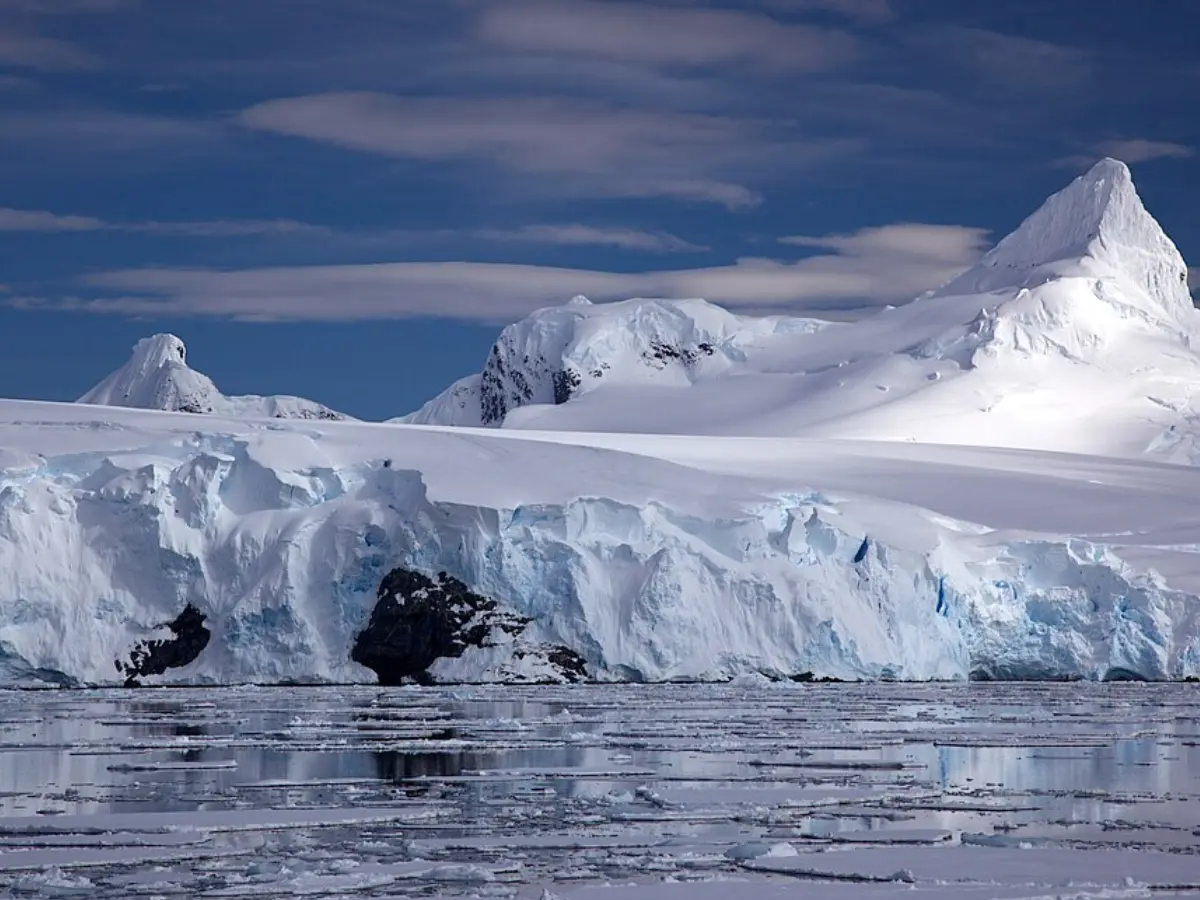
Scientists in Australia sent a robot to study a glacier in Antarctica called the Totten Glacier.
But the robot got lost and ended up under a different glacier called the Denman Glacier.
The robot was supposed to measure things like water temperature and saltiness, and it was supposed to come up every 10 days to send data to satellites.
But it got stuck under the ice and couldn't come up.
Nine months later, the robot finally came back up with lots of data about the Denman Glacier.
Scientists were happy because they got to learn about a place they couldn't reach before.
The data helps them understand how climate change is affecting Antarctica and how much the sea levels might rise if the glaciers melt.

A free-floating ocean robot intended for the Totten Glacier ended up under the Denman Glacier due to ocean currents.
The robot measured water salinity, temperature, and ice shelf depth while trapped under the Denman Glacier and Shackleton ice shelf.
It resurfaced nine months later with valuable data on the Denman Glacier, published in the ScienceAdvances journal in December 2025.
The data provides insights into the impact of climate change on East Antarctica and potential sea level rise.
The robot's unintended journey allowed scientists to study an area of Antarctica that was previously hard to reach.
- Who
- Scientists from the Australian national science agency CSIRO
- What
- A lost ocean robot resurfaced with data from the Denman Glacier
- Where
- Denman Glacier and Shackleton ice shelf in Antarctica
- When
- The robot resurfaced nine months later, with data published in December 2025
- Why
- To study the impact of climate change on glaciers and potential sea level rise
Key facts
- Glacier
- Denman Glacier
- Robot Type
- Free-floating ocean robot
- Original Destination
- Totten Glacier
- Actual Location
- Denman Glacier and Shackleton ice shelf
- Data Collection
- Salinity, temperature, and ice shelf depth
- Journal
- ScienceAdvances
- Publication Date
- December 2025
- Organization
- CSIRO (Australian national science agency)
Sources
Related news

India Replaces Sri Lanka as 2027 Women’s Champions Trophy Host

Mitsubishi Revives Pajero With 201PS Fifth-Generation SUV
IIM-Born CEO Says Australia’s Everyday Life Runs on Trust

UN Report Says 1.5°C Overshoot, Return Remains Possible

Uday Kotak Warns Global Bond Markets Face Roller-Coaster Volatility