1 hr ago
Delhi Tightens Security Ahead of Protest Demanding Election Chief’s Resignation
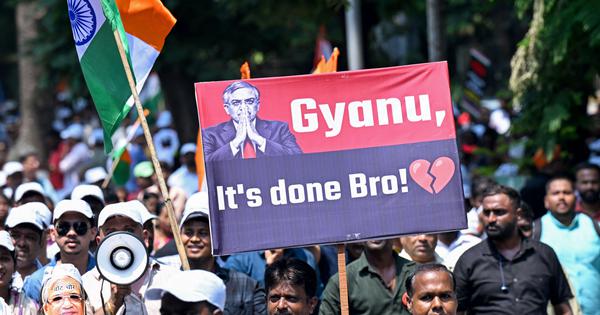
A group planned a protest in Delhi asking the top election official, Gyanesh Kumar, to resign.
They also want the government to stop a project that is updating voter lists.
Police said the protest could not go ahead and warned people not to gather.
They set up extra security and asked for changes to trains and metro services, though the metro operator had not yet decided whether to follow the request.
Some trains were cancelled because roads near major stations were expected to be very crowded.
The protest organisers said they would continue despite the restrictions.
A court did not hear one challenge urgently and scheduled it for Monday.
The Supreme Court also turned down a separate request about how police should handle protesters.

Delhi Police barred the October 10 Jantar Mantar protest under Section 163 of the Bharatiya Nagarik Suraksha Sanhita and warned of legal action against people joining gatherings.
The protest, called by the Cockroach Janta Party, Left groups, student organisations and civil society activists, seeks Chief Election Commissioner Gyanesh Kumar’s resignation and the scrapping of the voter-roll revision.
Police asked the Delhi Metro to consider restricting access at 57 stations; the DMRC had not confirmed whether it would do so.
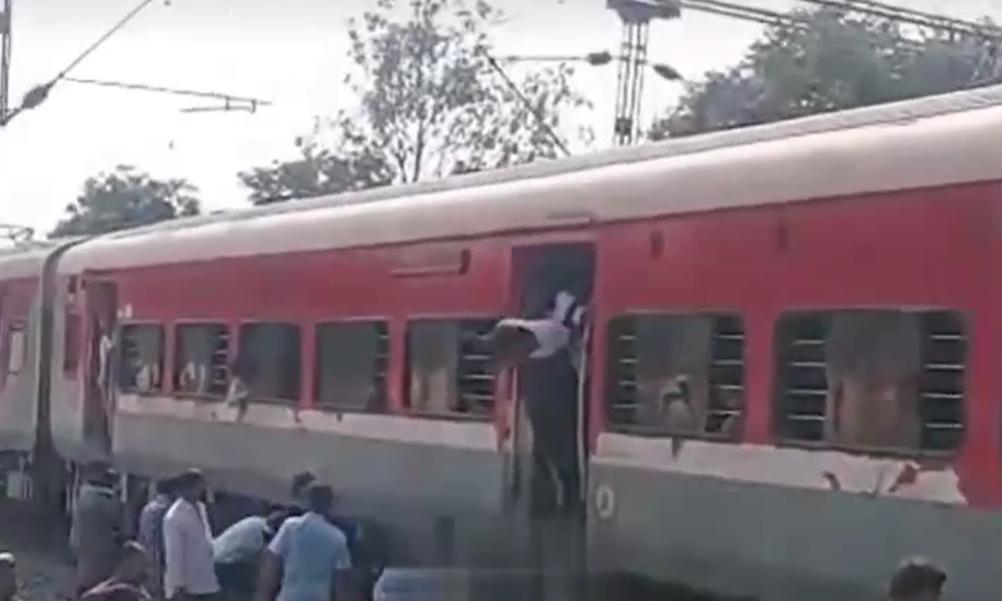
Some trains due at New Delhi or Hazrat Nizamuddin stations between 4 a.m. and 2 p.m. Saturday were cancelled, while police prepared extensive security and detention arrangements.
The Delhi High Court declined an urgent hearing on a challenge to the protest ban and listed the case for Monday; the Supreme Court rejected a separate plea seeking directions on police action.
- Who
- The Cockroach Janta Party, Left groups, student organisations and civil society activists planned the protest; Delhi Police imposed restrictions.
- What
- A demonstration demanding Chief Election Commissioner Gyanesh Kumar’s resignation and the scrapping of the special intensive revision of voter rolls was denied permission.
- Where
- Jantar Mantar and other locations in Delhi.
- When
- The demonstration was planned for Saturday, October 10; restrictions and transport measures were announced ahead of it.
- Why
- Protesters cite alleged irregularities in the voter-roll revision. Police cited prohibitory orders and alleged non-compliance with conditions set during earlier protests.
Protesters and challengers
Police and Election Commission
Whether the demonstration should proceed
Protesters and challengers
Organisers say the protest will go ahead despite restrictions and seek Kumar’s resignation and an end to the voter-roll revision.
Police and Election Commission
Delhi Police denied permission, citing prohibitory orders, alleged past non-compliance with protest conditions and a late application.
Concerns about the voter-roll revision
Protesters and challengers
Protesters point to alleged irregularities and concerns that the exercise could exclude eligible voters or affect election outcomes.
Police and Election Commission
The Election Commission said operational queries or inputs raised by commission members during draft stages are part of standard administrative practice intended to safeguard voter rights.
Key facts
- Planned protest date
- October 10
- Planned venue
- Jantar Mantar, Delhi
- Legal restriction
- Section 163 of the Bharatiya Nagarik Suraksha Sanhita
- Metro stations affected by police request
- 57; the DMRC had not confirmed implementation
- Train cancellation window
- Some mail and express trains scheduled to arrive from 4 a.m. to 2 p.m. Saturday at New Delhi or Hazrat Nizamuddin were cancelled at source
- Security deployment
- Around 26,000 Central Armed Police Forces personnel were reported to be deployed in Delhi until Monday
- High Court hearing
- The Delhi High Court listed the Indian Youth Congress plea for Monday after declining an urgent hearing
Quotes
Chief Justice Surya Kant
Chief Justice of India, quoted in a report about the Supreme Court's consideration of protest-related pleas.
“These are young students and protesters before us. We have to see their parents, we have to see they have a long life. [They should not be] entangled with court hearings etc.”
 scroll.in
“operational queries or inputs raised by commission members during draft stages are part of standard administrative practice”
scroll.in
Sources
Related news
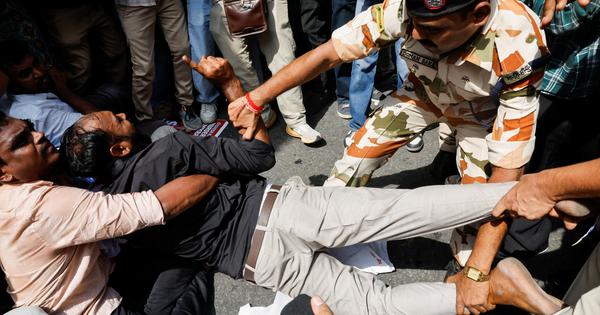
Detentions Reported Ahead of Delhi Protest Against Election Chief
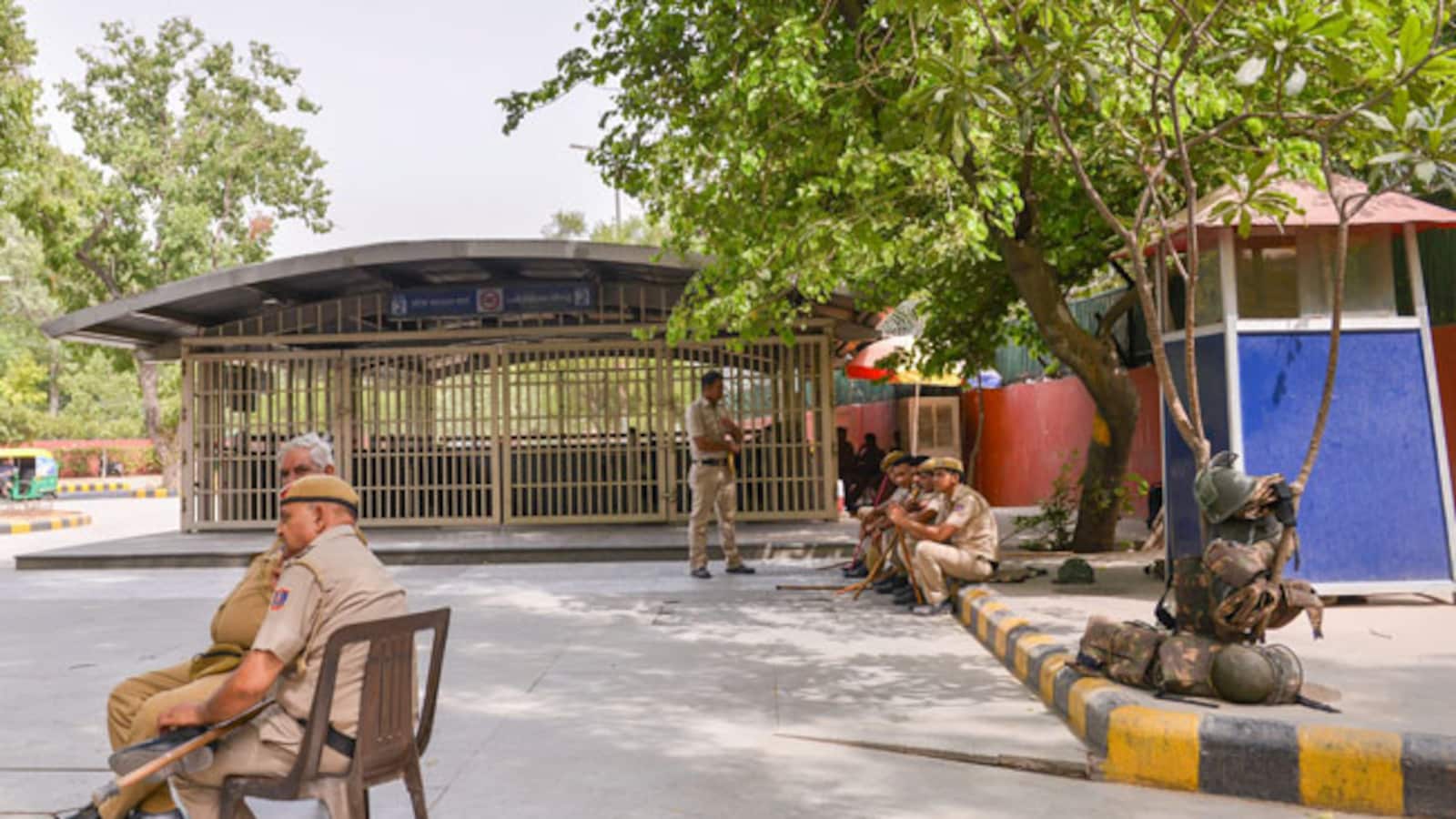
Delhi Metro Closes 11 Stations Ahead of Electoral Protest
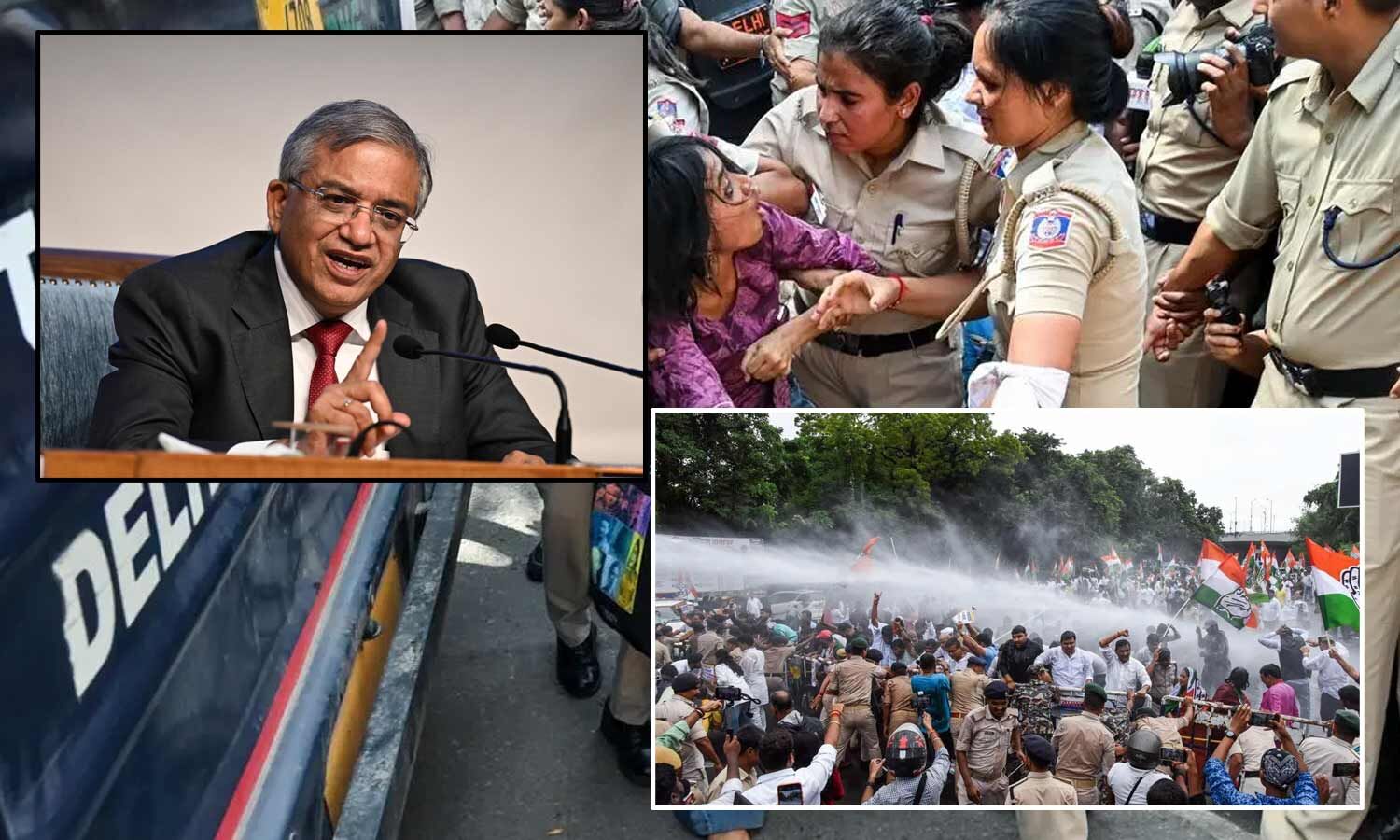
Delhi Tightens Security Ahead of INDIA Bloc March and Protests
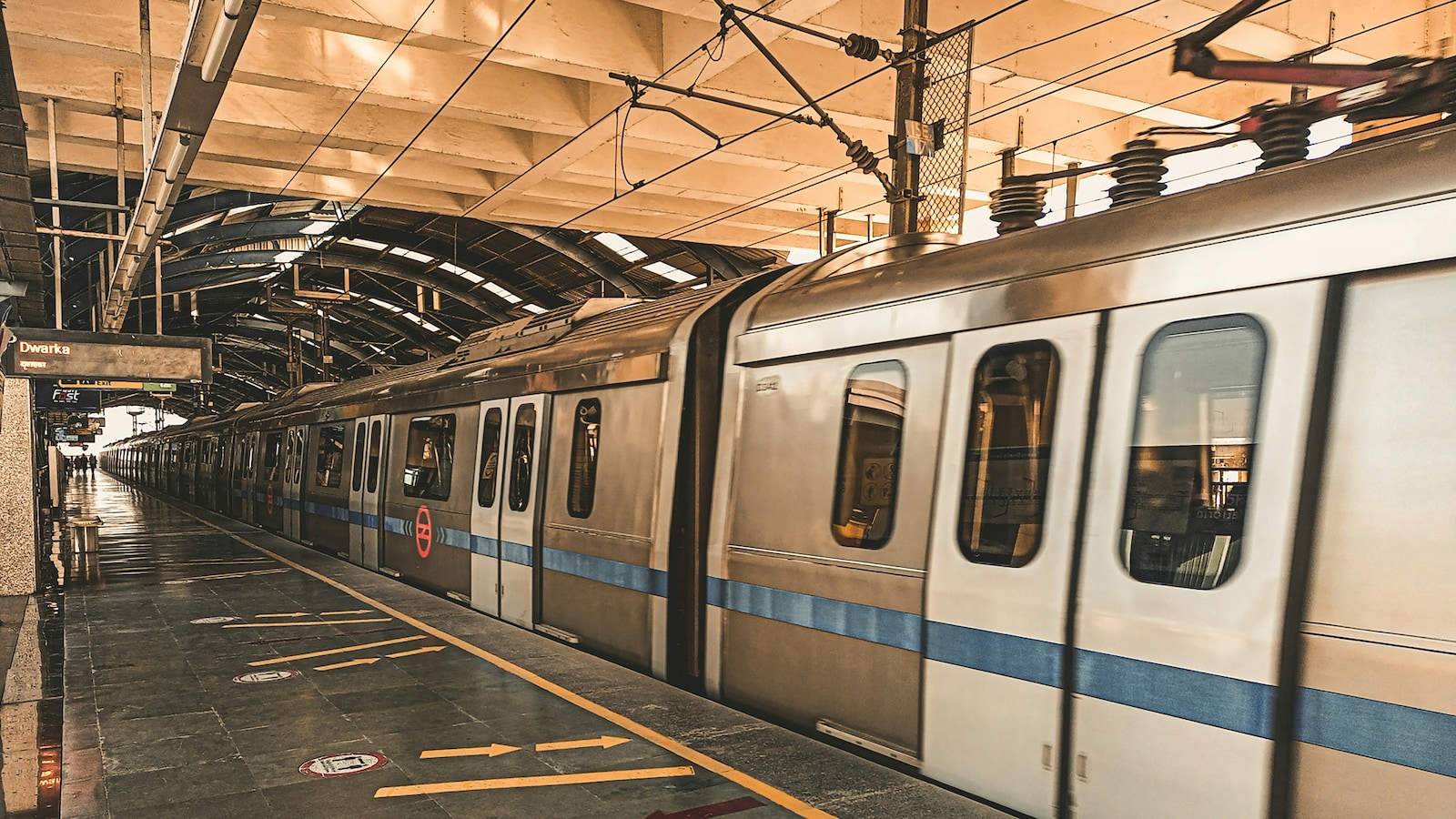
Delhi Proposes Metro Curbs Ahead of October 10 CJP Protest
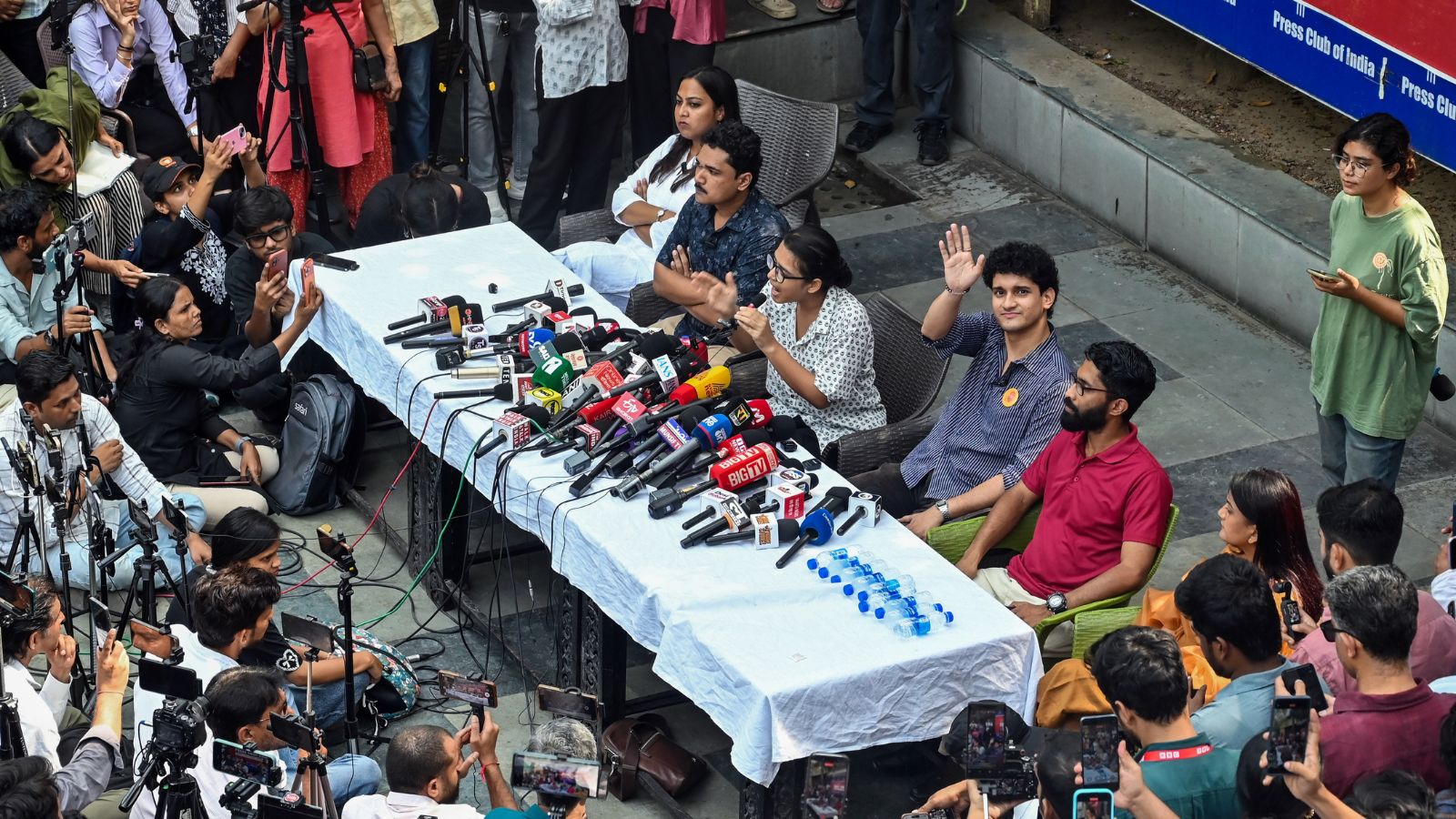
Delhi Prepares for CJP Protest With Extensive Security Measures
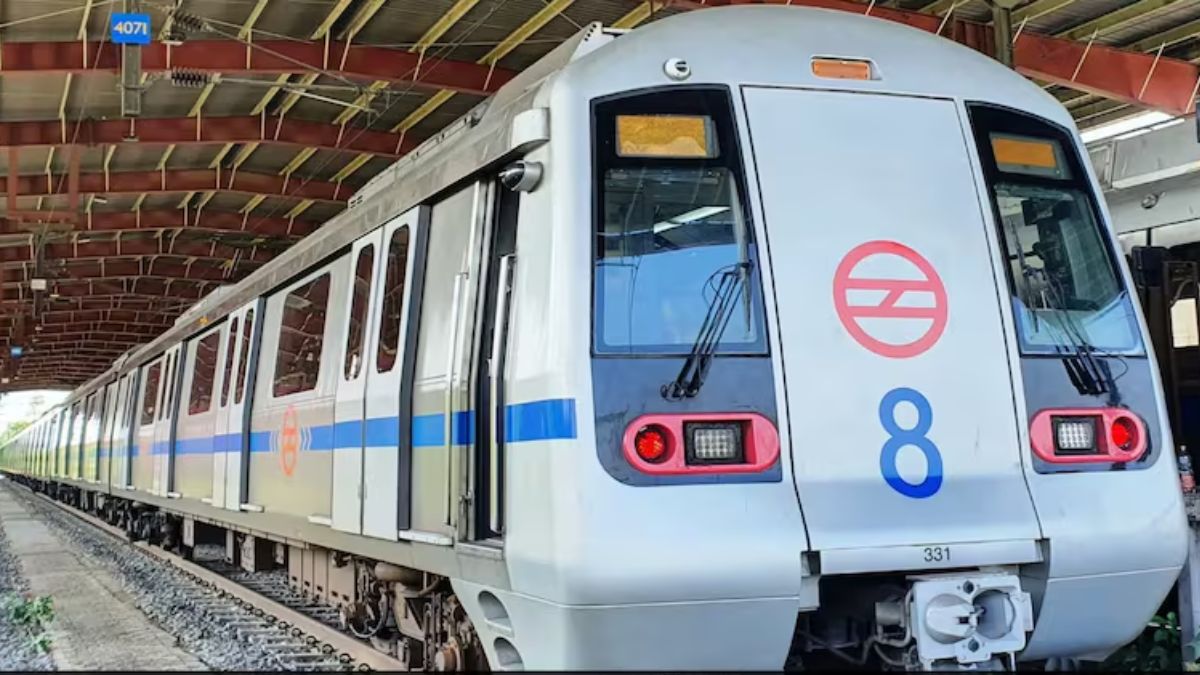
Delhi Police Proposes Metro Curbs Ahead of CJP Protest

Centre Urges Platforms to Prioritise Content Takedown Orders
D. Raja Condemns Restrictions Ahead of Jantar Mantar Protest
INDIA Bloc MPs to Meet President Amid Election Protests
Fadnavis Uses Sibal Footage to Challenge Congress SIR Protests