1 year ago
India's Civil Services Exam: From London to National Benchmark

Imagine a super-hard test that decides who gets important jobs in India.
This test, now called UPSC, started a long time ago in London when India was ruled by the British.
At first, only people in London could take the test, and it was very tough for Indians.
A smart Indian man named Satyendranath Tagore was the first to pass the exam.
Over time, the test moved to India.
This meant more Indians could try.
Today, it's still a very important test, and lots of people take it every year to try and get the top jobs in the country.

The Indian Civil Services (ICS) exam, now UPSC, originated in London during British rule.
Introduced in 1855, the exam was initially held only in London with a European-focused syllabus.
Satyendranath Tagore became the first Indian to pass the ICS exam in 1864.
Exam centers expanded to India, starting in Allahabad and Delhi in 1922.
The Public Service Commission, evolving into the UPSC, was established to recruit officers.
- Who
- The British government, Indian leaders, and aspirants of the Indian Civil Services.
- What
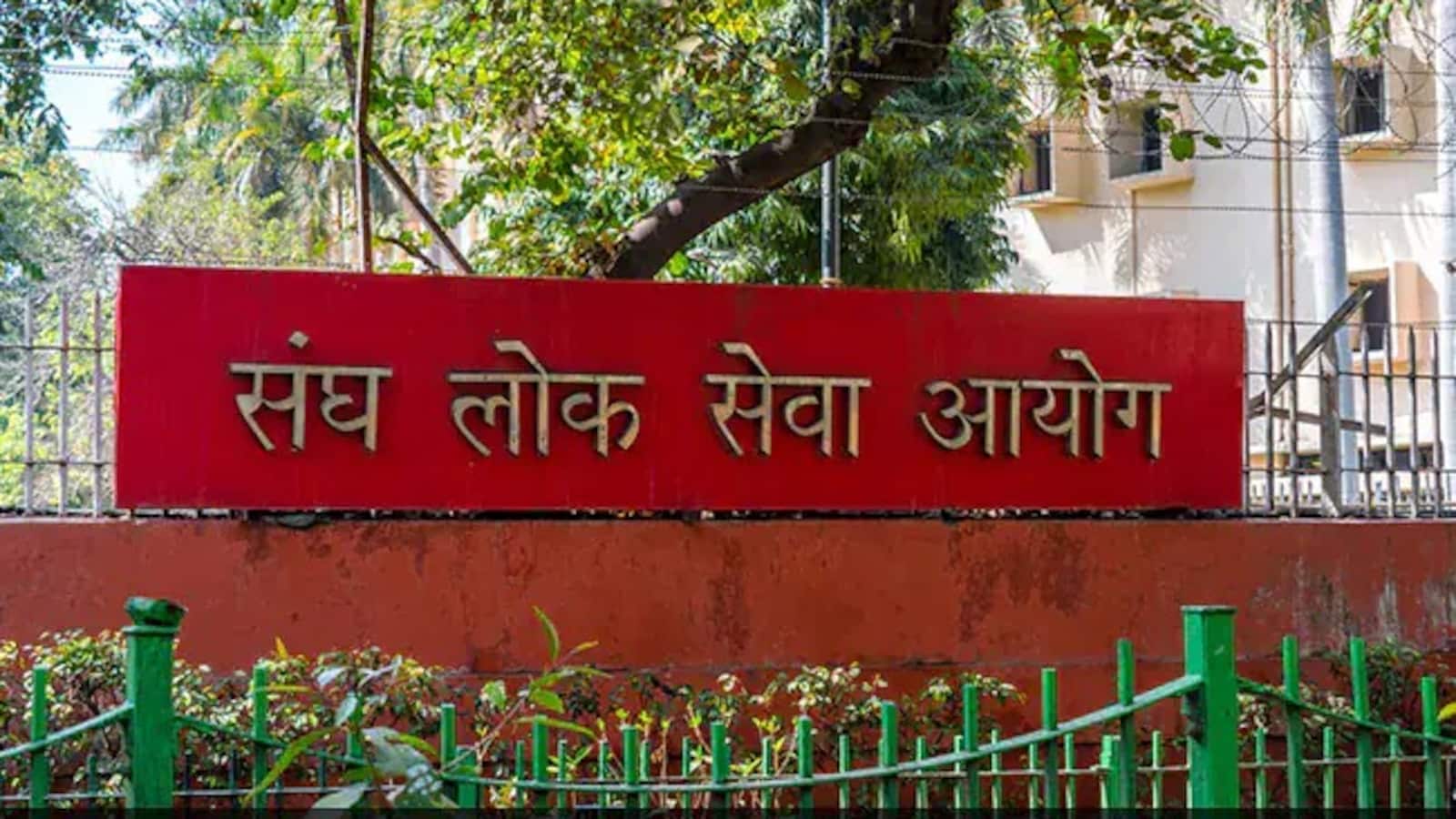
- The evolution of the Indian Civil Services (ICS) exam, now the Union Public Service Commission (UPSC) exam.
- Where
- Initially held in London, exam centers later expanded to Allahabad and Delhi in India.
- When
- The ICS exam began in 1855, and the UPSC was established on January 26, 1950.
- Why
- To establish a merit-based system for recruiting officers and administrators in India.
Key facts
- Exam Name
- Indian Civil Services (ICS) / Union Public Service Commission (UPSC)
- First Exam Year
- 1855
- First Indian to Pass
- Satyendranath Tagore (1864)
- First Indian Exam Centers
- Allahabad, Delhi (1922)
- Original Purpose
- Recruitment for the East India Company
- Current Purpose
- Gateway to India's top administrative, police, and foreign services