

2 hrs ago
UPSC Completes 100 Years, Evolving Into Constitutional Recruitment Body
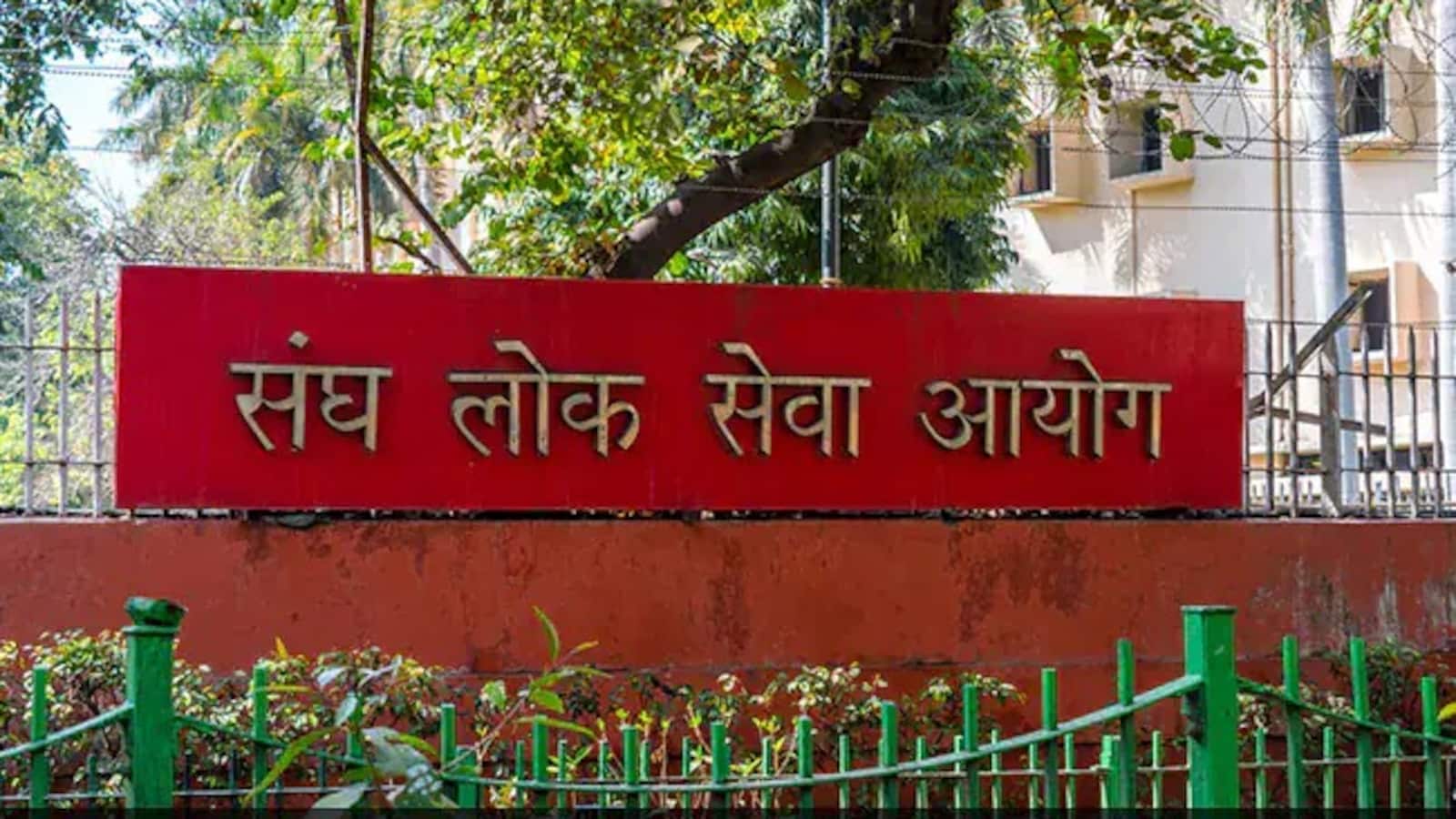
The Union Public Service Commission, or UPSC, has completed 100 years.
It began on October 1, 1926, as a body that advised the colonial government on public-service recruitment.
Before that, people entered the Indian Civil Service through an examination held in London.
The exam was difficult for Indians because it was in English and included subjects such as Greek and Latin.
Satyendranath Tagore became the first Indian to pass the exam in 1863.
Over time, examinations were also held in India and the recruitment system changed.
After independence, the Constitution gave public service commissions an independent position.
UPSC now selects people for many important civil, defence, engineering, medical and forest services.

The Union Public Service Commission was established on October 1, 1926, as India’s first Public Service Commission.
It evolved from an advisory colonial-era body into an independent constitutional institution under Articles 315–323.
The commission conducts examinations for civil, forest, engineering, medical, defence and central armed police services.
The principle of merit-based recruitment began with the Indian Civil Service examination in 1855, though access was heavily restricted for Indians.
The Constitution’s framers emphasized the commission’s independence to prevent nepotism, favouritism and unfairness in public appointments.
- Who
- The Union Public Service Commission, along with constitutional figures and earlier public-service administrators, is central to the account.
- What
- UPSC completed 100 years and was described as having evolved into an independent constitutional body responsible for recruitment examinations.
- Where
- Its institutional history began in India; the commission was initially housed at Metcalfe House in Delhi, while the Indian Civil Service examination was first held in India at Allahabad in 1922.
- When
- The commission was established on October 1, 1926, and completed 100 years on October 1, 2026.
- Why
- It was created to provide a permanent public-service recruitment body, later receiving constitutional safeguards intended to support impartial appointments and limit nepotism and favouritism.
Key facts
- Centenary date
- October 1, 2026
- Founding date
- October 1, 1926
- First chairman
- Sir Ross Barker
- Initial location
- Metcalfe House, Delhi
- Constitutional provisions
- Articles 315–323, Part XIV of the Constitution
- First Indian ICS officer
- Satyendranath Tagore, who passed the examination in 1863
- Recruitment areas
- Civil, forest, engineering, medical, defence and central armed police services
Sources
Related news
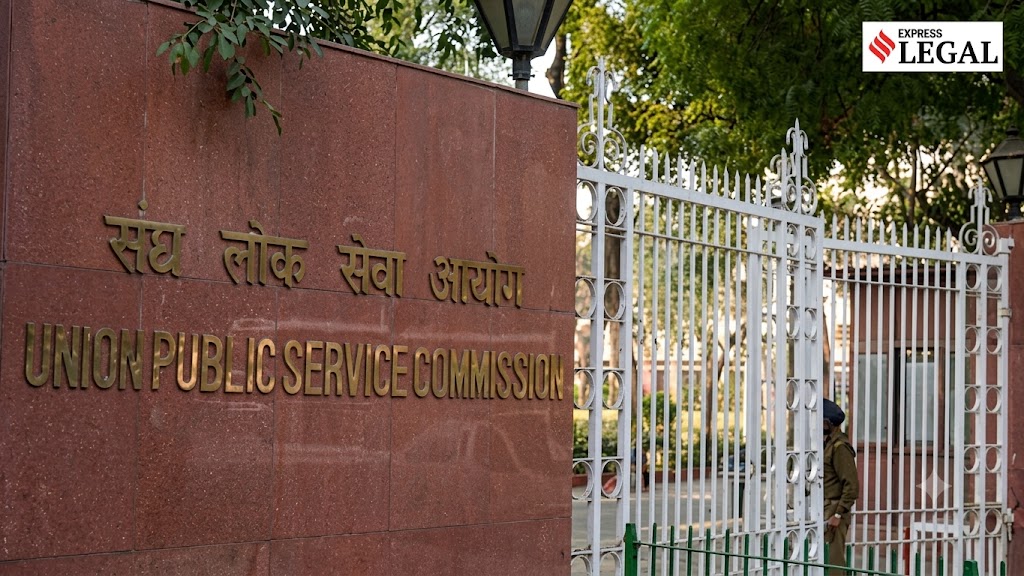
UPSC Marks 100 Years With Manthan Centenary Celebrations
Modi to Attend UPSC Centenary Celebrations at Bharat Mandapam

UPSC Chairman Calls for Reasoning-Based Assessment of Candidates

Haryana Farmer's Daughter Ritu Khokhar Clears UPSC In First Attempt

CIC Recommends Restoring Paper-Wise Marks Disclosure For UPSC

UPSC July 2026 Exam Results Released With Selected Candidates

How Sari Reform Challenged Women’s Hesitation Over Sheer Clothing

Art Exposure Showcases Nandalal Bose’s Intimate Postcard Sketches

India's Civil Services Exam: From London to National Benchmark