

6 hrs ago
Russia, China and Iran Build a Looser Eurasian Strategic Network
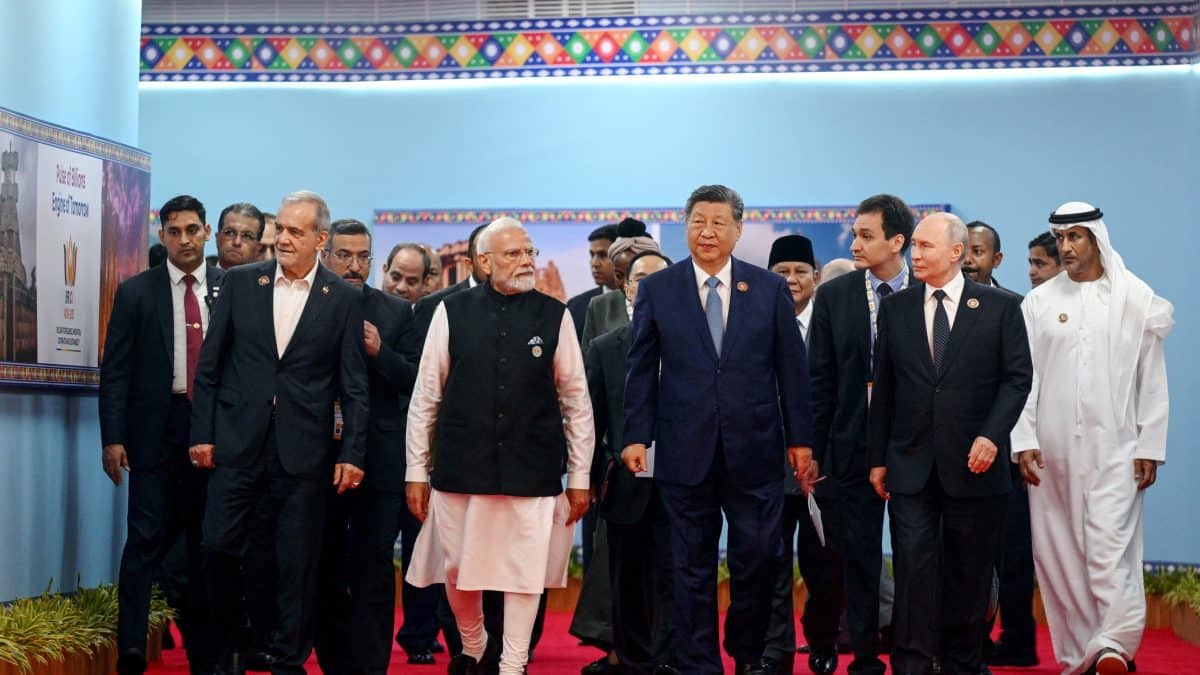
The article says Russia, China and Iran are working more closely together.
It does not say they have formed a military team like NATO.
Instead, they cooperate in areas such as trade, diplomacy and some military activities.
Each country wants to be less exposed to pressure from Western countries.
But they do not agree on everything, and China is careful about making military promises.
The article says their shared activities may still create a useful network for them.
It also says India and Pakistan try to maintain relationships with different powers.
The author argues that this loose arrangement could last because it helps each country keep more choices.

The article argues Russia, China and Iran are drawing closer, but do not form a conventional military alliance.
Their cooperation includes economic links, diplomacy, military exchanges and participation in institutions such as BRICS and the Shanghai Cooperation Organisation.
The author says all three seek to reduce vulnerability to Western pressure, though their interests and relationships differ.
China’s links with Russia and Iran could extend its strategic reach across Eurasia, while Beijing remains cautious about military commitments.
India and Pakistan are presented as hedging between competing powers, with India described as having more room for strategic autonomy.
- Who
- Russia, China and Iran; the article also discusses India, Pakistan and the United States.
- What
- The author describes an emerging, loose strategic network intended to reduce vulnerability to external pressure, rather than a formal military alliance.
- Where
- Across Eurasia, including Central Asia, West Asia, the Persian Gulf and areas adjoining the Indian Ocean.
- When
- The article describes a developing trend and refers to the 2026 US National Defence Strategy.
- Why
- The article says the countries seek greater freedom of action and reduced dependence on Western-controlled economic and financial systems.
Case for a durable strategic network
Limits to deeper alignment
How to characterize the cooperation
Case for a durable strategic network
The author argues overlapping economic, diplomatic and military links amount to an emerging strategic architecture that can reduce the impact of Western pressure.
Limits to deeper alignment
The article cautions that this is not a conventional alliance: the countries lack NATO-like cohesion and do not share a common military purpose.
Prospects for lasting cooperation
Case for a durable strategic network
Shared concerns about dependence on Western-controlled systems could give the three countries a continuing incentive to build alternatives.
Limits to deeper alignment
Their interests diverge: China needs Western markets, Russia does not want to become China's junior partner, and Iran resists replacing one dependence with another.
Effect of Western pressure
Case for a durable strategic network
The author suggests pressure applied to countries with complementary interests could encourage them to cooperate more closely.
Limits to deeper alignment
The article also notes that pressure can constrain them; it presents whether pressure will contain them or strengthen their cooperation as an open question.
Key facts
- Countries at the center
- Russia, China and Iran
- Character of cooperation
- A loose strategic network, not a NATO-like alliance
- Institutions discussed
- BRICS and the Shanghai Cooperation Organisation (SCO)
- Military cooperation
- The three countries have conducted joint naval exercises over several years, according to the article.
- China's approach
- The article says China is cautious about military entanglement with Iran and favors exercises and political support without alliance obligations.
- US strategy reference
- The article says the 2026 US National Defence Strategy identifies deterring China in the Indo-Pacific as a central priority.
- South Asian comparison
- The author says Pakistan must balance several relationships, while India has more room to pursue strategic autonomy.
Sources
Related news
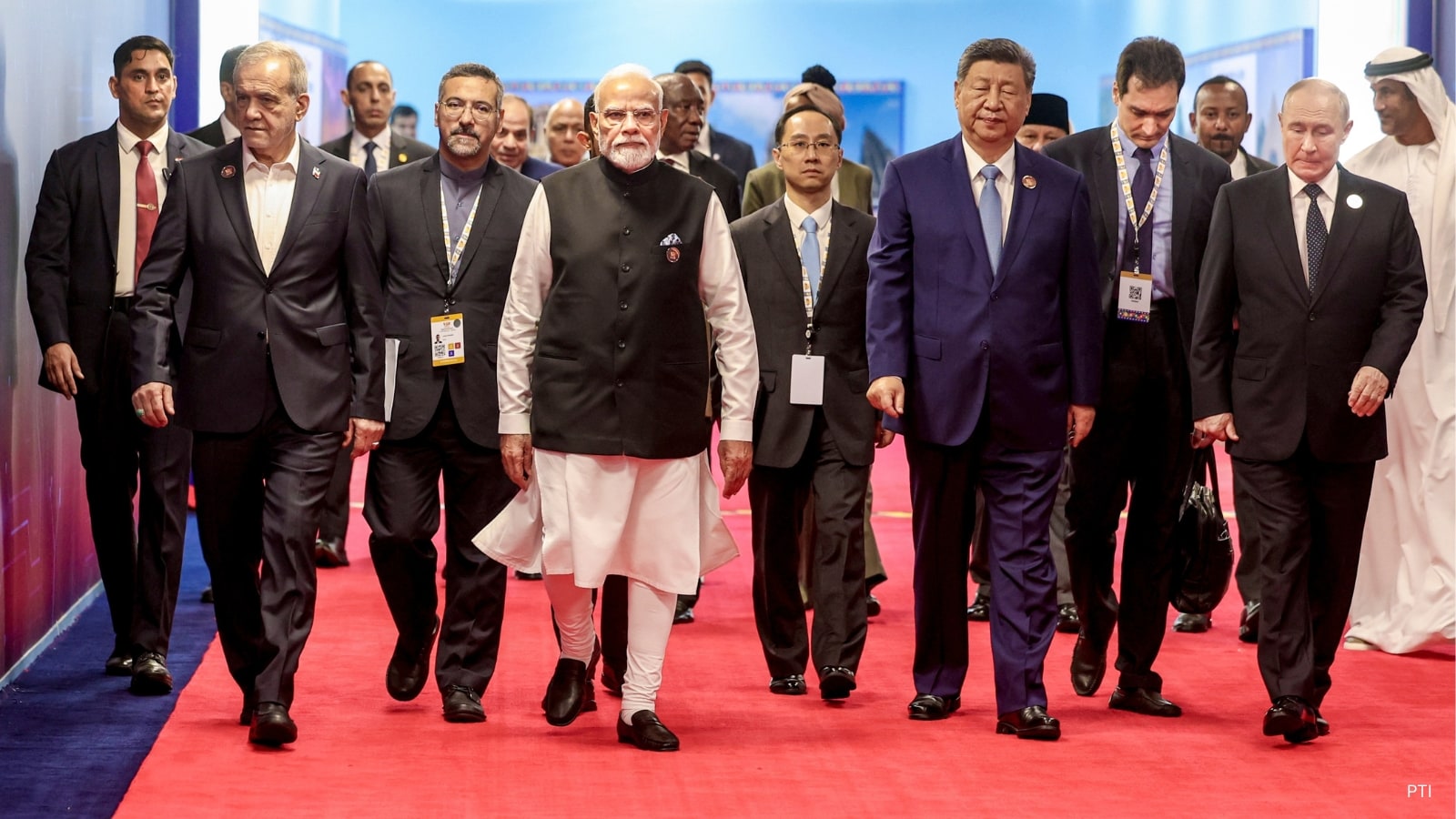
India Uses BRICS Presidency to Deepen, Preserve, Stabilise Ties
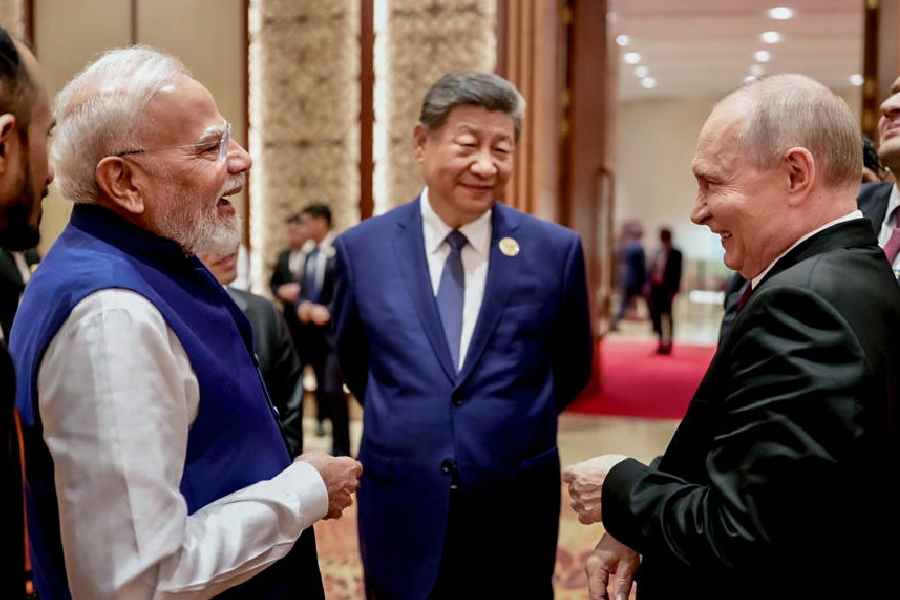
India Balances Ties With Rivals Amid Global Turmoil
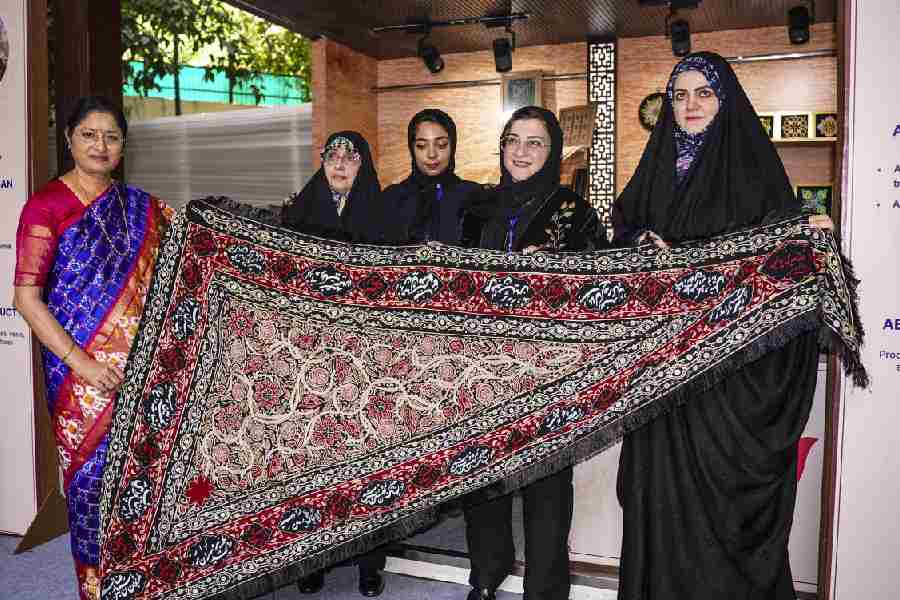
BRICS Hosts Iran Amid Rising Oil Prices and Regional Conflict
Potential Trump-Xi-Putin Summit Raises Questions About BRICS and India

India and China Urged to Unite for Global Peace

India Faces Impossible Task As BRICS Summit Confronts Internal Divisions

Lovlina Borgohain Receives Hero’s Welcome After Asian Games Boxing Gold

China Plans Late WHO Leadership Bid as US Steps Back

Dalio Warns China and Japan Could Reduce Treasury Demand
Moscow Startup Summit Discusses AI, Robotics and Entrepreneurship
George Yeo Says India Is Not Threatening Major Powers
