1 hr ago
Ex-NITI Aayog Vice Chairman Urges More Chinese Investment
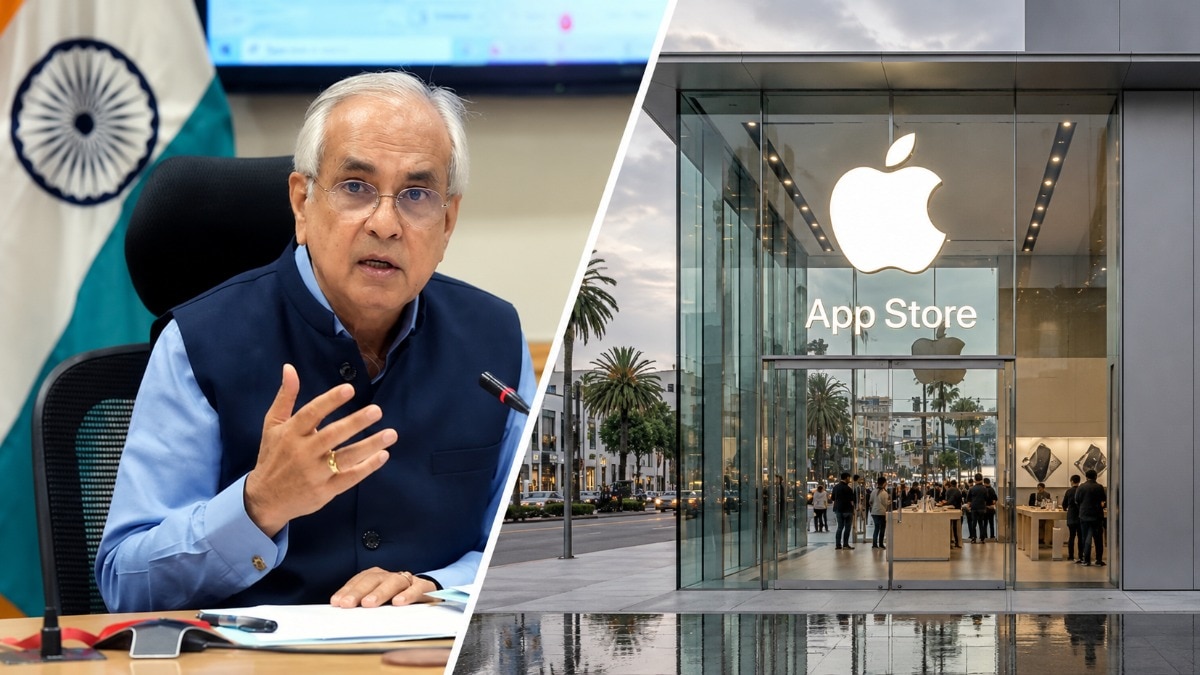
A former Indian government adviser said Apple needed help from its Chinese suppliers when it started building operations in India.
India eventually allowed those suppliers to come in.
He said India should use the same welcoming approach with other large companies.
He also argued that India should accept more investment from China.
He said this could help India gain money, factories, and access to markets.
At the same time, he said India must still protect national security.
He gave Great Wall Motor as an example of a Chinese company that wanted to invest in India but left after visa problems for its executives.
His broader message was that government officials should ask investors what they need instead of mainly telling them what they cannot do.

Former NITI Aayog vice-chairman Arvind Panagariya said Apple wanted flexibility to initially bring Chinese vendors into India.
Talks between Apple and Indian officials began around 2018 during Panagariya's tenure, which lasted from September 2017 to April 2022.
Panagariya urged India to actively target major foreign companies and become more welcoming to private investors.
He said India should attract Chinese capital while continuing to protect national security.
He cited Great Wall Motor's failed India entry, saying visa restrictions for corporate staff contributed to the company's departure.
- Who
- Former NITI Aayog vice-chairman Arvind Panagariya, Apple, Chinese vendors, and Great Wall Motor.
- What
- Panagariya argued that India should attract more foreign investment, including from China, while allowing investors greater operational flexibility.
- Where
- The discussions included a meeting in New Delhi, while Great Wall Motor sought to establish operations in Maharashtra, India.
- When
- The Apple discussions began around 2018; Panagariya served as NITI Aayog vice-chairman from September 2017 to April 2022.
- Why
- Panagariya said India could benefit from China's surplus capital and should make foreign investors feel welcome without lowering national-security safeguards.
Greater Investment Openness
Security-Focused Caution
Chinese investment
Greater Investment Openness
Panagariya argued that India should attract more Chinese capital because China has surplus capital and India can offer a market for Chinese products.
Security-Focused Caution
The security-focused position described in the article treats China as a security risk, making national-security concerns take priority over other considerations.
Foreign vendor access
Greater Investment Openness
Panagariya said India accepted Apple's request to bring Chinese vendors initially, helping Apple establish operations in the country.
Security-Focused Caution
The initial pushback to Apple's request shows concerns about permitting Chinese-linked suppliers to operate in India.
Investor facilitation
Greater Investment Openness
Panagariya called for a promotional state that actively targets investors and helps meet their requirements.
Security-Focused Caution
A more restrictive approach can prioritize regulatory controls and security screening, as illustrated by the visa problems he attributed to Great Wall Motor's departure.
Key facts
- Apple discussions
- Talks with Apple began around 2018.
- Apple's request
- Apple sought flexibility to initially bring its Chinese vendors into India.
- Panagariya's tenure
- He served as NITI Aayog vice-chairman from September 2017 to April 2022.
- Proposed policy
- India should identify anchor investors and ask what they need to establish operations.
- Chinese investment
- Panagariya said India should be more open to Chinese investment while protecting national security.
- Great Wall Motor
- The Shanghai-based automaker sought to establish itself in India after taking over Ford's facility in Maharashtra, according to Panagariya.
- Visa issue
- Panagariya said Great Wall Motor left after visas were not allowed for its corporate personnel.
Quotes

Kumar
Former vice-chairman of NITI Aayog and economist
“I tried my best. They packed their bags and went because you wouldn't allow visas for their corporate people. They have demonstrated their intent to come and invest here. Why not let them do that?”
 businesstoday.in
“One of the things that they wanted was the flexibility to bring in their Chinese vendors to begin with.”
businesstoday.in
Sources
Related news
India Reports ₹4,896 Crore in 29 FDI Proposals
India Reports 29 FDI Proposals Under Relaxed Border Rules
India, China Explore Investment Framework Ahead of BRICS Summit
India courts global investors through parallel Canada, Japan outreach

India Eases Chinese Stake Rule, Unlocking Rs 4,896-Crore FDI Pipeline

Sitharaman Invites Global Investors to Manufacture in India
How We Disappeared Remembers Singapore’s Comfort Women

Family seeks repatriation of Keralam woman’s remains from Japan

Asian Cues, Crude Prices Shape Sensex, Nifty Outlook Monday

Japanese Woman’s Seventh Child Highlights Japan’s Birth-Rate Crisis