2 weeks ago
SBI FD vs small finance banks: ₹8,250 extra per year
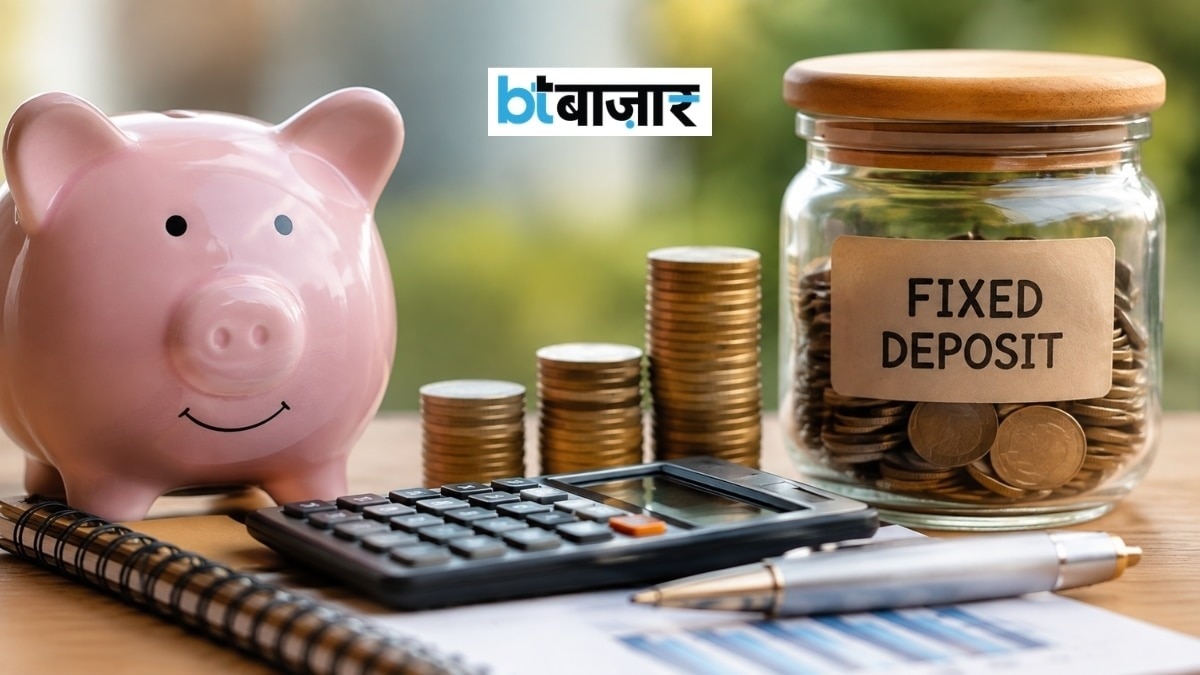
A fixed deposit is like putting your money in a bank's savings jar, and the bank pays you interest for keeping it there.
This story compares how much interest two kinds of Indian banks pay.
State Bank of India is a very big, safe bank owned by the government.
Small finance banks like Suryoday and Utkarsh are smaller banks that pay more interest.
On a deposit of ₹5 lakh, SBI's best rate would earn you about ₹32,250 per year.
Suryoday and Utkarsh would earn you about ₹40,500 — that's ₹8,250 more.
But higher interest comes with a catch: these smaller banks have different business models, so they are not automatically a safer choice.
That is why the government insures up to ₹5 lakh per person per bank, and why experts say you should spread big savings across several banks.
Older people can earn even more, with some banks paying up to 8.50%.
In the end, you must decide whether you want to earn more money or feel extra safe.

SBI offers its highest regular-customer FD rate of 6.45% on a 444-day tenure, while Suryoday and Utkarsh Small Finance Banks offer 8.10% on 30-month and 666-day tenures.
On a ₹5 lakh deposit, SBI pays about ₹32,250 in annual interest versus ₹40,500 at Suryoday or Utkarsh — an extra ₹8,250, or 1.65 percentage points.
The higher small finance bank rates reflect different business models and funding requirements, and a higher FD rate should not automatically be treated as a better investment.
DICGC insurance covers up to ₹5 lakh per depositor per bank, including principal and interest, so diversification is advised for investors with larger amounts.
For senior citizens, SBI's top rate is 7.05%, Suryoday and Utkarsh offer up to 8.25%, and Shivalik and Unity Small Finance Bank offer as much as 8.50% on specified tenures.
- Who
- Indian depositors and investors, especially those with ₹5 lakh or more; banks compared include SBI, Suryoday SFB, Utkarsh SFB, Shivalik Small Finance Bank and Unity Small Finance Bank.
- What
- A comparison of fixed deposit rates showing small finance banks pay about ₹8,250 more per year than SBI on a ₹5 lakh deposit, alongside guidance on safety, tenure and deposit insurance.
- Where
- India — all the banks and rates discussed are Indian institutions.
- When
- Not specified in the article; the comparison covers tenures ranging from 444 days to 666 days and 30 months.
- Why
- To help investors weigh the trade-off between higher yields from small finance banks and the stability of a large public-sector bank, while accounting for DICGC deposit insurance limits.
Safety First
Higher Returns
Choosing where to deposit
Safety First
SBI's lower rate is the trade-off for banking with a large public-sector institution, and a higher FD rate should not automatically be treated as a better investment.
Higher Returns
Small finance banks like Suryoday and Utkarsh pay 1.65 percentage points more (₹8,250 extra a year on ₹5 lakh), a meaningful return worth considering despite the different business models.
Keeping deposits in one bank
Safety First
Keeping an entire deposit with a single bank is simpler and lets the full amount earn the highest available rate.
Higher Returns
With DICGC insurance capped at ₹5 lakh per depositor per bank, investors with larger amounts should diversify rather than concentrate their entire bank-deposit portfolio with one institution.
Key facts
- SBI highest regular-customer rate
- 6.45% on 444-day tenure
- Suryoday SFB highest rate
- 8.10% on 30-month tenure
- Utkarsh SFB highest rate
- 8.10% on 666-day tenure
- Annual interest on ₹5 lakh at SBI
- ₹32,250
- Annual interest on ₹5 lakh at Suryoday/Utkarsh
- ₹40,500
- Extra return from Suryoday/Utkarsh vs SBI
- ₹8,250 per year (1.65 percentage points)
- Senior citizen rates
- SBI 7.05%; Suryoday/Utkarsh up to 8.25%; Shivalik/Unity up to 8.50%
- Deposit insurance
- DICGC cover up to ₹5 lakh per depositor per bank, including principal and interest
Sources
Related news
Small Finance Bank FDs Offer More, But Carry Added Risk
Small Finance Bank FDs Offer Higher Rates, But Risks Matter
Suryoday Small Finance Bank Revises FD Rates Up To 8.50%

Senior Citizen FD Rates: These Banks Offer Up to 8.50%
Bandhan Bank, IDFC First offer higher FD rates than SBI
Small Finance Bank vs Corporate FD: Higher Returns, Higher Risk
Senior Citizen FD Rates: Small Finance Banks Lead

SCSS or Senior Citizen FD: Which Better Suits Retirees?

Senior Citizens Can Earn Up to 8.5% on Five-Year FDs

Four Banks Revise Fixed Deposit Rates for Senior Investors