

1 day ago
RBI Clarifies New Forex Reporting Rules for Service Exporters

India has introduced new rules for reporting services bought and sold across borders.
The rules started on October 1, 2026.
RBI officials clarified that people do not have to report transactions that are personal in nature, such as subscriptions or some individual tutoring work.
For an export bill worth up to ₹10 lakh, an exporter can use a self-declaration and an invoice.
The limit applies to each bill, not the whole year.
Exporters give the needed information to their banks or authorised dealers, which handle portal reporting.
Some freelancers and small businesses worry that the process could mean extra paperwork.
Advisers say that combining a month’s invoices and getting help from banks may make it easier.
The RBI says the reporting will improve information about service exports and plans to issue FAQs.

New FEMA rules effective October 1, 2026, require service exporters to submit Export Declaration Forms (EDFs), generally within 30 days after the invoice month.
RBI officials said individuals’ transactions under contracts of a personal nature are outside the reporting requirements, regardless of amount; examples include subscriptions, tutoring and small software services.
For export bills up to ₹10 lakh, exporters may provide a self-declaration and invoice; the threshold applies per bill, not per year.
Banks and authorised dealers submit reports through the IEDPMS portal; exporters and importers provide them the required information.
Freelancers and small exporters reported uncertainty and added paperwork, while advisers cited monthly invoice consolidation and bank support as ways to manage filings.
- Who
- The Reserve Bank of India, banks and authorised dealers, and service exporters including freelancers and small businesses.
- What
- RBI clarified reporting requirements for service exports, personal transactions and small export bills under the new FEMA framework.
- Where
- India, under the Reserve Bank of India’s FEMA trade reporting framework.
- When
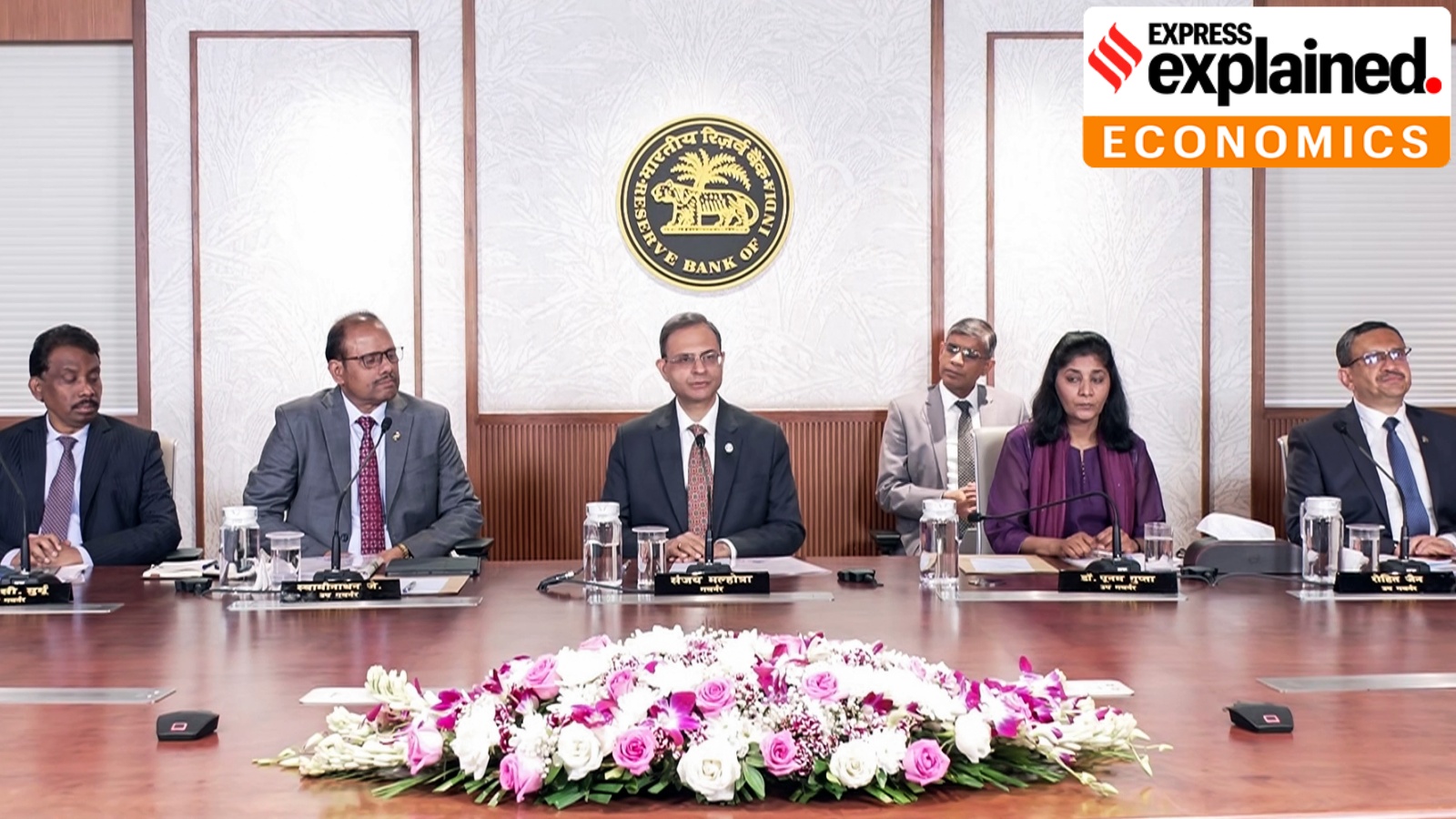
- The rules took effect on October 1, 2026; RBI officials clarified them at the October monetary policy press conference.
- Why
- The RBI says including services in the reporting framework will improve data availability and bring services reporting closer to merchandise trade reporting.
Exporter concerns
RBI and adviser responses
Paperwork and implementation
Exporter concerns
Freelancers and small exporters raised concerns about added paperwork, unclear bank procedures and the burden of reporting low-value services.
RBI and adviser responses
The RBI said personal transactions are outside the requirements and bills up to ₹10 lakh can use a self-declaration and invoice. Advisers said monthly consolidation and support from banks could make compliance manageable.
Need for expanded reporting
Exporter concerns
Some service providers questioned the need for new declarations, saying foreign-exchange receipts are already handled through banks.
RBI and adviser responses
The RBI said the framework will improve data on services exports and bring their reporting closer to the existing approach for merchandise trade.
Key facts
- Effective date
- October 1, 2026
- General EDF timing
- Within 30 days after the end of the month in which the invoice is raised.
- Personal transactions
- Individuals’ transactions under contracts of a personal nature are not subject to the reporting requirements, irrespective of amount, according to the RBI clarification.
- Small-exporter option
- For exports up to ₹10 lakh per bill, a self-declaration and invoice may be used; this is an alternative reporting route, not an exemption from providing information.
- Reporting responsibility
- Banks and authorised dealers handle reporting on the IEDPMS portal; exporters and importers provide them the required information.
- Monthly consolidation
- Multiple service exports in a month can be covered in one EDF under the described framework.
- RBI follow-up
- The RBI said it would issue FAQs to clarify the requirements.
Quotes
Chennai-based individual tech consultant
An individual technology consultant who exports low-ticket services.
“The whole intent of bringing these new trade regulations has been to liberalise the handling of trade matters by authorised dealers, simplify the processes, promote ease of doing business. And service exports and imports have been included for reporting purposes now. But the individuals are not included with respect to the reporting requirements for the contracts of a personal nature.”
 businesstoday.in
“So, if you are subscribing to a TV channel or an app, or to some journals or newspapers, or you are providing services as an individual outside, could be tutoring services, could be some small software etc., and getting paid for it, those individuals are not required to report.”
businesstoday.in
Sources

RBI’s new services export reporting raises concerns among freelancers and small exporters

New FEMA rules: RBI clarifies what freelancers and small exporters need to report; FAQs to be released soon
Receiving Money From Abroad? RBI Clarifies New Forex Reporting Rules For Individuals

RBI export rules: EDF filing to become mandatory for service exporters from October 1

'Individuals not covered': RBI clears air on new EDF framework, plans to issue FAQs soon
Related news

RBI to Clarify Forex Reporting Rules for Individuals Soon

New FEMA Rules Require Service Exporters to File EDFs

DGFT Waives Export Registration for Shipments Up to ₹3 Lakh

India Notifies New TDS Rules for Non-Resident Property Transfers

RBI Eases FPI KYC Certification Rules Through Overseas Channels

Nasscom Seeks GST Clarity on Branch and R&D Exports

Rupee Nears Record Low Despite RBI Rate Hike
RBI Rate Hike Raises Home Loan Costs for Buyers

RBI Says Rate Hike May Moderate Credit Growth, Not Expansion
Ample Liquidity May Delay Banks’ Deposit Rate Hikes
