

3 weeks ago
Trump signs orders limiting US birthright citizenship despite court ruling
In the United States, there is a rule that says babies born in America automatically become American citizens.
That rule is called birthright citizenship, and it comes from the 14th Amendment to the U.S. Constitution.
President Donald Trump wants to change that rule for some babies.
He signed two new executive orders, which are official papers from the president, to limit birthright citizenship.
He especially wants to stop 'birth tourism,' when pregnant women travel to the United States just to give birth.
The Supreme Court, the highest court in the country, had already said his first attempt was not allowed.
Trump signed the new orders anyway, calling the court's decision 'very unfortunate' and birth tourism a 'disgrace.'
He also wants to deny citizenship to babies of some foreign government workers and people considered enemies of the United States.
Many groups that defend people's rights, like the ACLU, say the new orders are trying to get around the court's decision and will probably lose in court.
Even legal experts are divided about whether the new rules will survive.

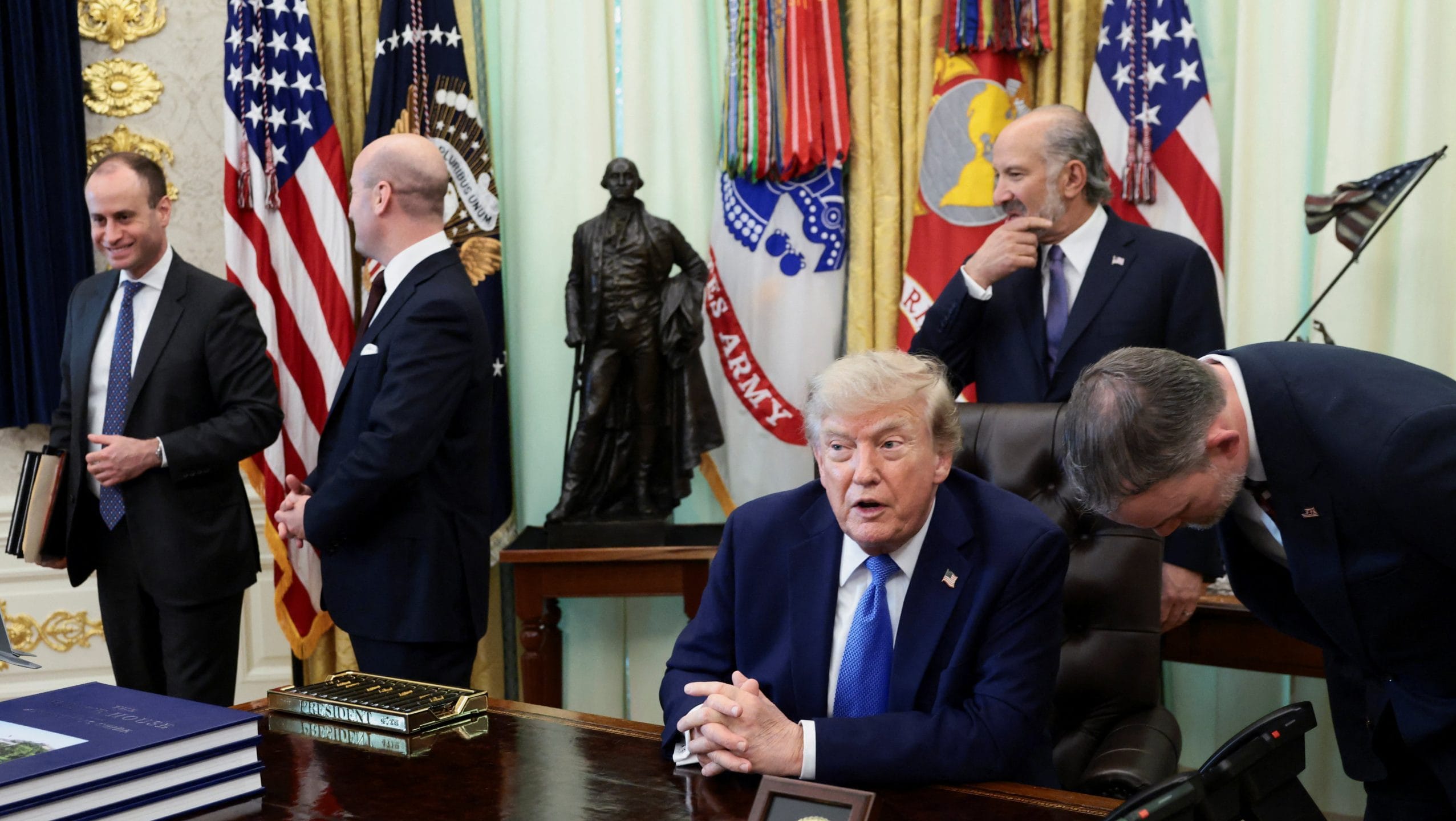
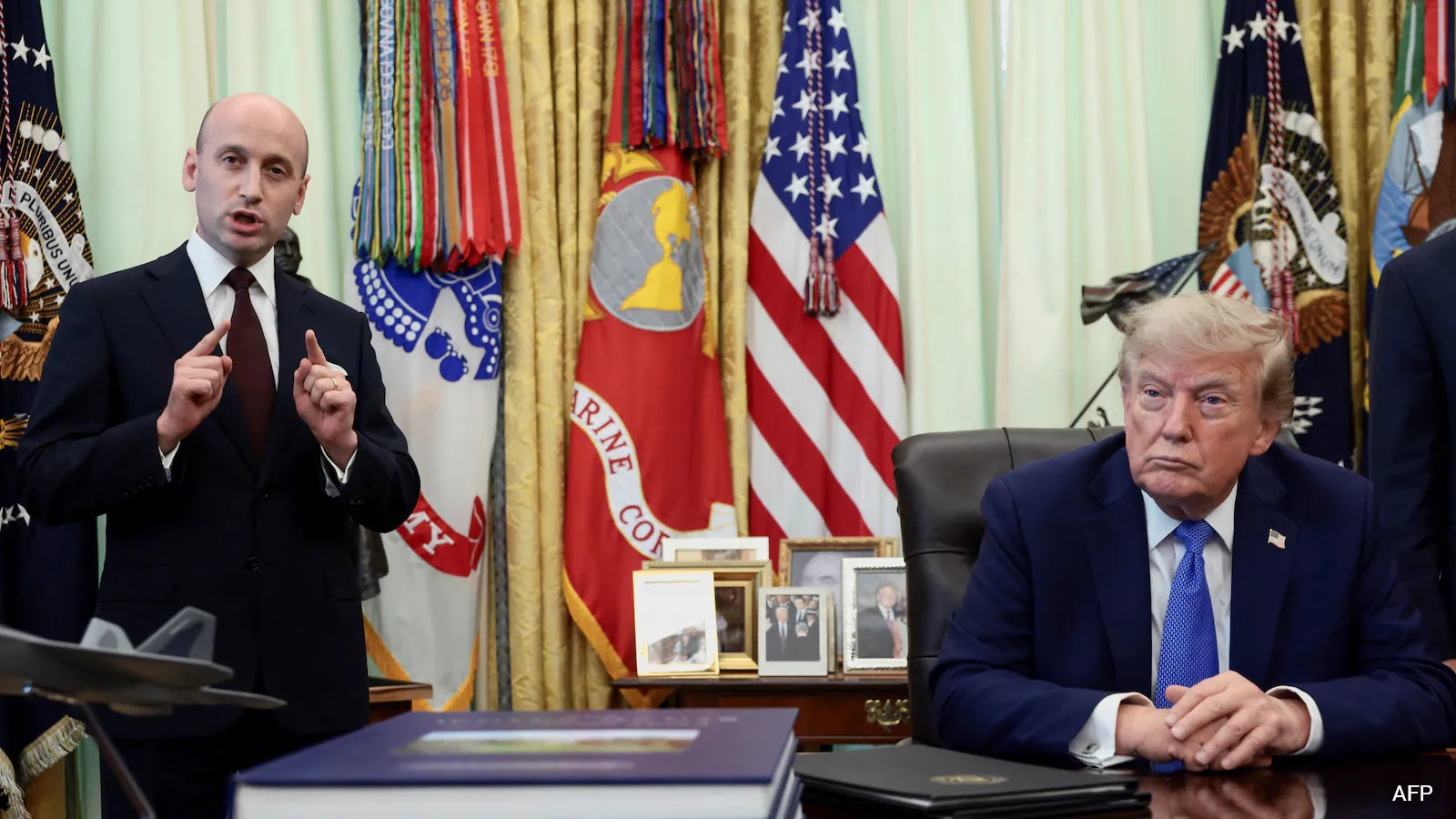
President Donald Trump signed two executive orders on Thursday to restrict birthright citizenship and ban 'birth tourism,' weeks after the Supreme Court struck down his earlier order.
In Trump v. Barbara, the Supreme Court ruled 6-3 on June 30 that birthright citizenship is guaranteed under the 14th Amendment, prompting Trump to call the decision 'very unfortunate.'
The orders tell federal agencies not to recognize citizenship when a parent is 'engaged in fraudulent activity to obtain citizenship' and seek to bar visas for suspected birth tourists.
New exclusions target children of foreign government employees, United Nations and other international organization staff, alien enemies and foreign terrorists such as Tren de Aragua, and could affect US territories if Congress enacts proposed legislation.
The ACLU, UnidosUS and the Women's Refugee Commission called the orders an attempt to evade the ruling, while White House aides said nothing in them runs afoul of the Supreme Court's opinions.
- Who
- President Donald Trump, White House aides Stephen Miller and Will Scharf, and critics including the ACLU, UnidosUS and the Women's Refugee Commission
- What
- Signed two executive orders curtailing birthright citizenship, banning 'birth tourism' and expanding who is ineligible for citizenship, despite the Supreme Court's rejection of his earlier order
- Where
- Oval Office, White House, United States
- When
- Thursday, about five weeks after the Supreme Court's 6-3 ruling on June 30
- Why
- To crack down on immigration and stop birth tourism, which Trump said lets foreigners 'buy their way in' to US citizenship
Civil rights and immigrant advocates
Trump administration
Birthright citizenship
Civil rights and immigrant advocates
Birthright citizenship is a constitutional guarantee under the 14th Amendment that has stood for more than 150 years and is not subject to a president's whims.
Trump administration
Birth tourism lets foreigners 'buy their way in' to citizenship, which Trump called a 'disgrace'; the orders only target narrow historical exceptions.
Legality of the new orders
Civil rights and immigrant advocates
The orders are an attempt to evade the Supreme Court's June 30 ruling, are 'clearly unconstitutional' and are doomed to fail in court.
Trump administration
The narrower directive falls outside the purview of the Supreme Court ruling; White House Staff Secretary Will Scharf said nothing in it runs afoul of the court's opinions.
Expanding eligibility exclusions
Civil rights and immigrant advocates
Expanding the exclusions could go too far - Japanese immigrants deemed enemy aliens during World War II could have had their US-born children denied citizenship under such a rule.
Trump administration
Widening the diplomat exception is potentially legal, and John Yoo argued that defining foreign enemy forces to include terrorist organizations will eventually pass constitutional muster.
Key facts
- Action
- Two executive orders signed limiting birthright citizenship and banning 'birth tourism'
- Supreme Court ruling
- 6-3 decision on June 30 in Trump v. Barbara, written by Chief Justice John Roberts, striking down Trump's earlier order as unconstitutional
- Key provisions
- Denies citizenship when a parent is 'engaged in fraudulent activity to obtain citizenship'; seeks visa bans for suspected birth tourists; expands exclusions to children of foreign government employees, UN and other international organization staff, alien enemies and foreign terrorists such as Antifa and Tren de Aragua; an order addressing surrogate births raises new legal questions
- Birth tourism estimates
- Center for Immigration Studies: about 20,000-26,000 per year; Penn State scholars: 5,000-10,000 births yearly from 2014 to 2024; Trump cited 'hundreds of thousands'
- US births in 2025
- 3.6 million
- Constitutional basis
- 14th Amendment Citizenship Clause: all persons born or naturalized in the US and subject to its jurisdiction are citizens
- Announcement
- White House aide Stephen Miller declared birth tourism 'hereby banned' at the signing ceremony
- Dissent
- Justice Samuel Alito wrote that the court 'made a mistake that will seriously affect the country's future' and called the ruling's implications 'grotesque'
Quotes
César Cuauhtémoc García Hernández
Law Professor at Ohio State University
“Just five weeks ago, the Supreme Court made clear that birthright citizenship is not subject to a president’s whims, it is a constitutional guarantee that has stood for more than 150 years. Today’s executive orders are nothing more than an attempt to get around that ruling.”
 theprint.in
“That’s not the way it’s supposed to work. It’s a disgrace. They’re buying their way in, and we’re not going to let it happen.”
theprint.in
Sources
Related news

Trump's birth tourism orders face uphill legal battle after ruling
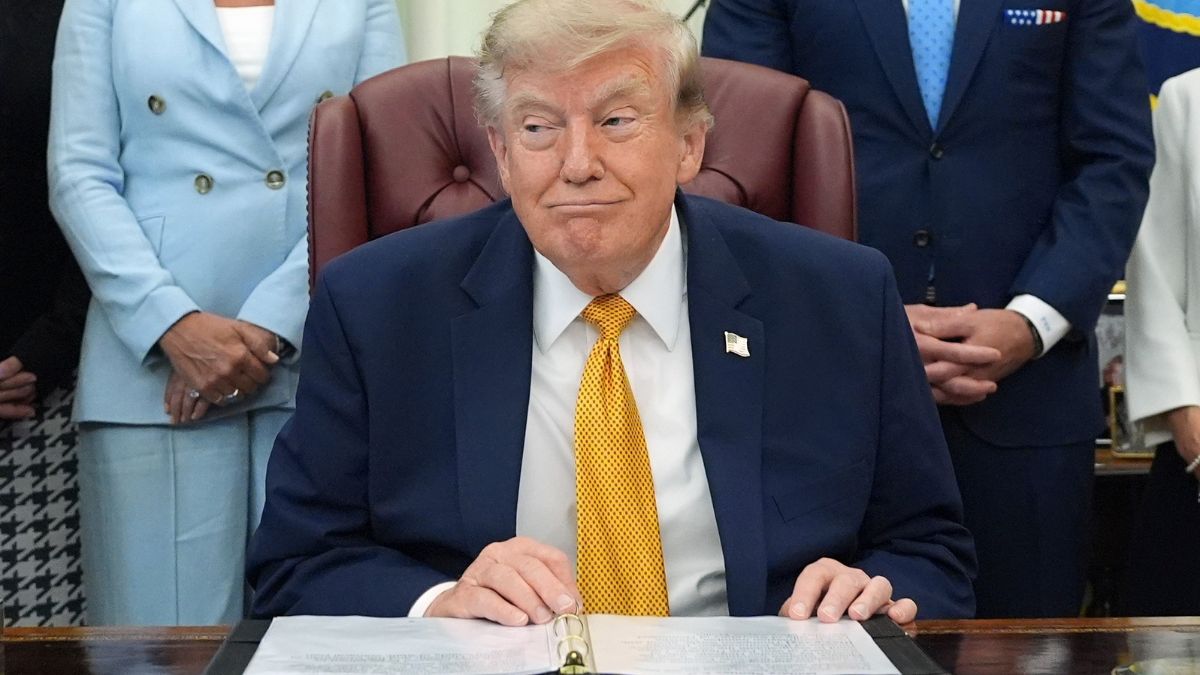
Trump signs executive orders restricting birthright citizenship, banning 'birth tourism'
Trump's New Birthright Citizenship Orders Face Legal Challenge
Judge Questions Trump’s New Birthright Citizenship Order, Delays Block

Trump's Birth Tourism Orders Impact Indian H-1B Visa Holders
Trump Seeks Parental Status Proof for Children’s Passports
Iranian Migrant Deported to Unfamiliar Country Fears for Safety

Who Could Replace Karoline Leavitt? Habba, Boyle, Cheung In Contention

Trump Secretly Moved From Ankara After Credible Missile Threat
