10 months ago
India at a Crossroads: Policy Choices to Define Economic Future Over Next Two Decades, Says DBS Report

Imagine India is at a big crossroads for its economy, and the decisions made now will affect it for the next 20 years.
A report says India's economy will grow faster than China's, reaching over 11 trillion dollars by 2040.
This means people might earn more money, going from about $3,700 to $7,000 per person each year.
India has lots of young people who will be ready to work, which is great news for the economy.
However, many people still work in farming, which doesn't create as much wealth as other jobs.
Also, many people are self-employed or do temporary jobs, so they might need more training.
The good news is India is really good at exporting services, like software and consulting, and this is expected to grow a lot.
India is also becoming more digital, which can make businesses work better.
To do really well, India needs to focus on education, health, and new skills for its workers, while also growing its businesses and using technology wisely.

India is at a critical juncture where policy decisions will shape its economy for the next two decades, according to a DBS Group Research report.
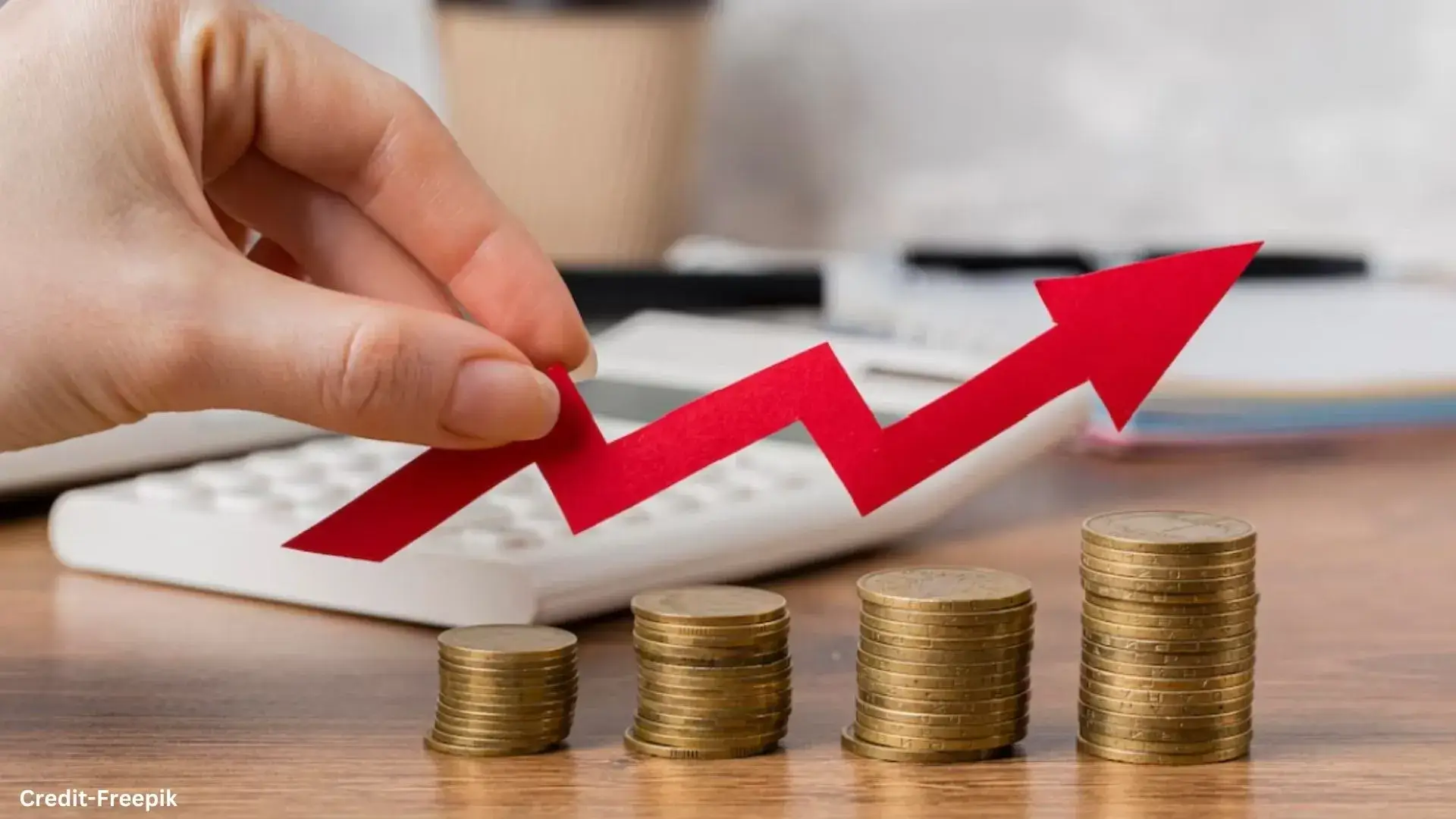
DBS projects India's economy to grow at an average of 6.7% annually from 2025-2040, outpacing China, with nominal GDP potentially surpassing USD 11 trillion by 2040.
The report emphasizes the need for institutional reforms, investment expansion, and robust human capital development to leverage favorable demographic trends.
Despite digital progress, structural challenges remain, including a large agricultural workforce with low contribution to growth and a high proportion of self-employed or casual labor.
India has a strong advantage in service exports, with its share in global services exports doubling since 2005, and is expected to benefit from digitalization and AI initiatives.
- Who
- DBS Group Research
- What
- Released a report outlining India's economic outlook and the impact of policy choices over the next two decades.
- Where
- India
- When
- Not specified, but refers to the period 2025-2040
- Why
- To analyze the factors that will shape India's economy and its position as a global economic power.
Challenges Ahead
Opportunities for Growth
Workforce Composition
Challenges Ahead
A significant portion of the workforce (40%) is in the agricultural sector, contributing disproportionately less to growth. Over two-thirds of the labor force is self-employed or casual labor, indicating a need for upskilling.
Opportunities for Growth
India has a favorable demographic trend with a large and expanding working-age population (8-10 million annually through 2040), presenting a potential dividend if human capital is developed.
Economic Growth Drivers
Challenges Ahead
Structural challenges like an over-reliance on agriculture and a large informal workforce need addressing for sustainable growth.
Opportunities for Growth
India's strength in service exports, which has seen significant growth and is projected to increase substantially, offers a strong avenue for economic expansion. Digitalization and AI initiatives are expected to boost productivity.
Key facts
- Projected Real GDP Growth (2025-2040)
- Average 6.7% (outpacing China's 3.0%)
- Projected Nominal GDP Growth (2025-2040)
- Average 9.7% (INR basis)
- Optimistic Growth Case
- 7.3-7.5% (2025-2040)
- Projected Nominal GDP by 2040
- USD 11 trillion
- Projected Per Capita Income by 2040
- USD 7,000 (up from USD 3,700 by end of this decade)
- Annual Working-Age Cohort Expansion
- 8-10 million through 2040
- Share in Global Services Exports
- 4.3% in 2023 (up from 1.9% in 2005)
- Projected Service Exports by 2040
- USD 650 billion
Quotes

DBS
The bank that authored the report
“India's economy will grow by an average 6.7 per cent from 2025 to 2040”
 republicworld.com
“3.0 per cent average real GDP expansion in the same period”
republicworld.com

DBS Group Research
The author of the report
“India stands at a pivotal juncture where policy choices will shape the contours of the economy for decades to come”
republicworld.com
“institutional reforms, investment expansion, and robust human capital development”
republicworld.com
Sources
Related news
Bessent Says China’s Belt and Road Has Become Debt Collection

Letters Debate Faith, History, Diplomacy and Climate Responsibility
World Bank Makes Nuclear Energy Financing a Priority

Von der Leyen to Urge EU Solidarity and Canada Ties
Poll finds rising trust in global institutions, weaker U.S. leadership