

2 hrs ago
India’s One Nation, One Election Debate: Pros and Cons
One Nation, One Election means holding national and State elections at the same time.
Supporters say this could give governments more time to work instead of campaigning.
It could also reduce the cost of repeatedly organizing elections.
Teachers, government workers and security staff might be used less often for election duties.
Supporters believe this would help governments plan long-term projects.
Critics worry that national issues could drown out local and State concerns.
They also question what would happen if a government lost its majority early.
The proposal would require major legal changes and agreement among political parties and States.

Supporters say simultaneous elections could reduce repeated disruptions from the Model Code of Conduct.
The proposal could lower recurring election costs and free teachers, officials and security personnel for other duties.
Advocates argue that a predictable electoral cycle would support policy continuity, fiscal discipline and long-term investment.
Critics warn that national issues and parties could overshadow State-specific concerns and weaken federalism.
Implementing the plan would require major constitutional changes and solutions for early government collapse or Assembly terms.
- Who
- The proposal is supported by advocates including Prime Minister Narendra Modi, while critics raise concerns about federalism, local representation and constitutional safeguards.
- What
- One Nation, One Election proposes synchronizing elections to Parliament and State Assemblies.
- Where
- India.
- When
- The debate is taking place as India considers major governance reforms and its development goals.
- Why
- Supporters seek less electoral disruption, lower costs and greater policy continuity; critics seek to protect federalism, State issues and democratic mandates.
Supporters of Synchronization
Critics of Synchronization
Governance and policy
Supporters of Synchronization
A common election cycle could end the permanent campaign, reduce administrative disruption and support long-term planning.
Critics of Synchronization
A synchronized cycle could create instability if governments fall before the common election date and could require difficult changes to elected terms.
Costs and public resources
Supporters of Synchronization
Holding elections together could reduce recurring spending and limit the repeated deployment of teachers, officials and security personnel.
Critics of Synchronization
The articles do not identify a direct objection to potential savings, but critics focus on whether administrative efficiency should outweigh constitutional and democratic concerns.
Federalism and voter choice
Supporters of Synchronization
Separate ballots, State-focused campaigns and distinct manifestos could preserve State issues while retaining the benefits of synchronization.
Critics of Synchronization
National parties, personalities and issues could dominate, making it harder for regional parties and State-level governance records to receive attention.
Key facts
- Proposal
- Synchronize elections to Parliament and State Assemblies.
- Potential benefit
- Reduce repeated enforcement of the Model Code of Conduct.
- Expected savings
- Lower recurring costs for security, manpower, polling infrastructure, EVMs, VVPATs and administration.
- Governance rationale
- Create more time for long-term policymaking, development and structural reforms.
- Main federalism concern
- National personalities and issues could overshadow State-specific concerns.
- Constitutional requirement
- Major constitutional and legislative changes would be needed.
- Mid-term problem
- A government losing its majority could disrupt the synchronized election cycle.
Sources
Related news

Chouhan, Dhami Back One Nation, One Election Proposal
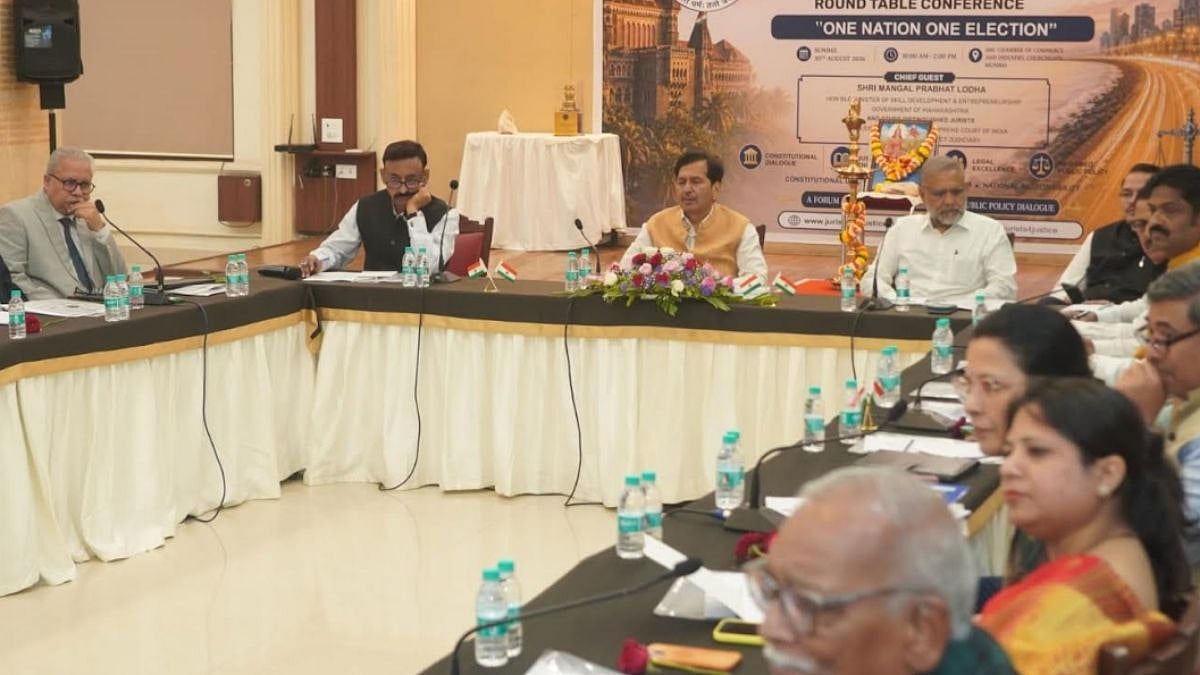
Roundtable Unanimously Endorses One Nation, One Election

Chidambaram Opposes One Nation, One Election Before Panel
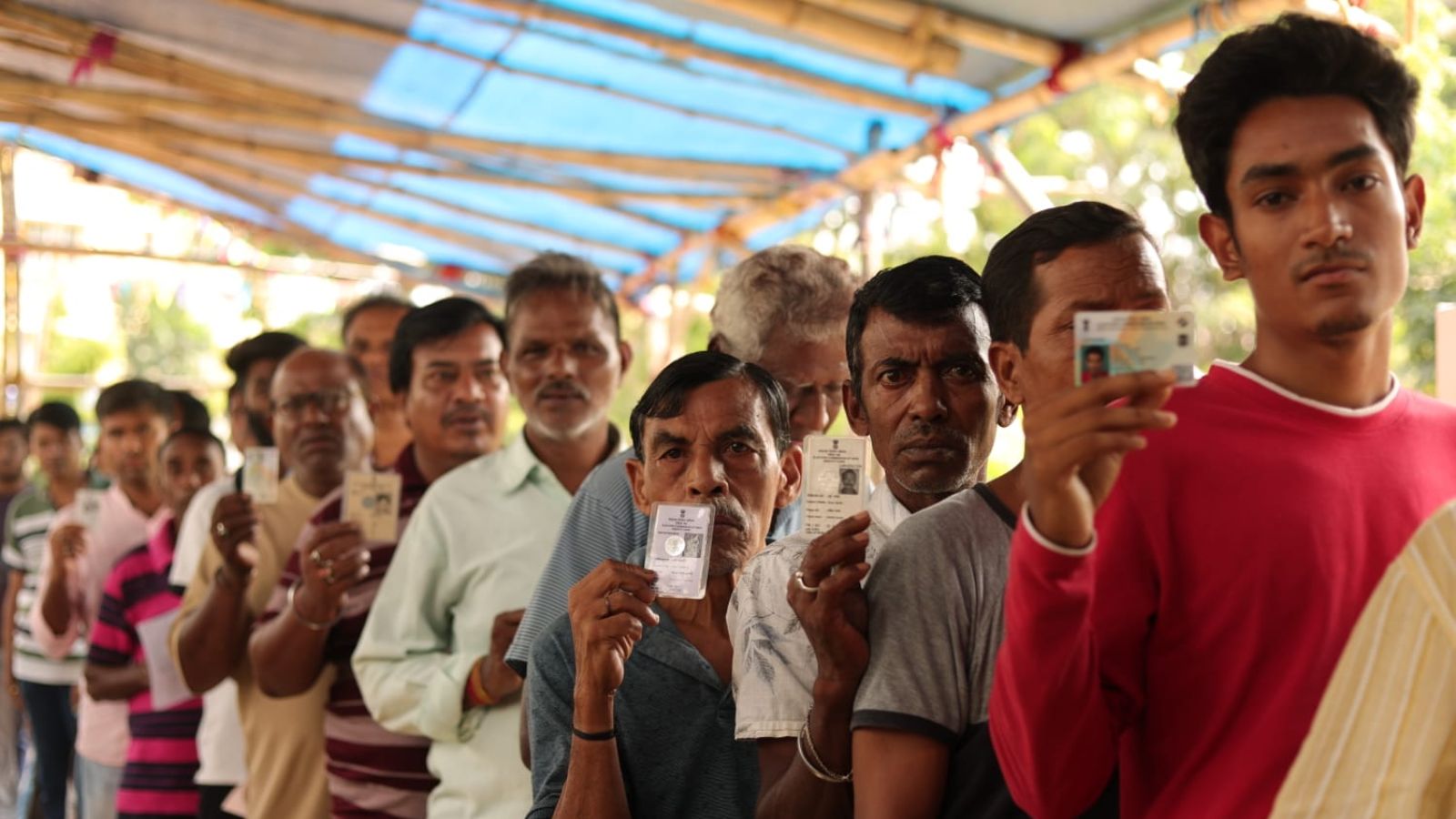
NDA Weighs 2029 Simultaneous Polls Across 22 States

Chidambaram Says 2029 Simultaneous Elections Are Not Possible
Congress Targets Modi Government as Food Prices Squeeze Households
Adani Power Begins Assam’s 3,200 MW Thermal Project

Pune Health-Tech Firm Showcases Cervical Cancer AI at BRICS Exposition
London Siddhashram Marks Modi Birthday With Prayers And Blessings
