

1 hr ago
Seven Factors Drive Sharp Fall in Indian Stock Markets
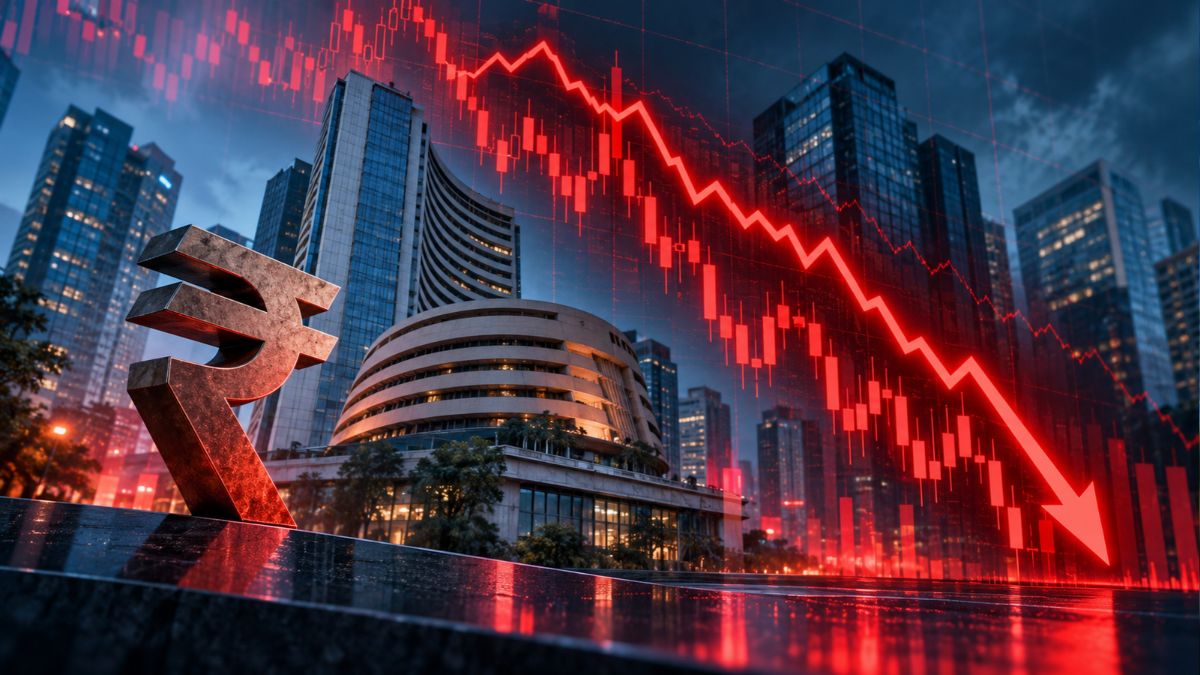
Indian shares fell sharply during the trading day.
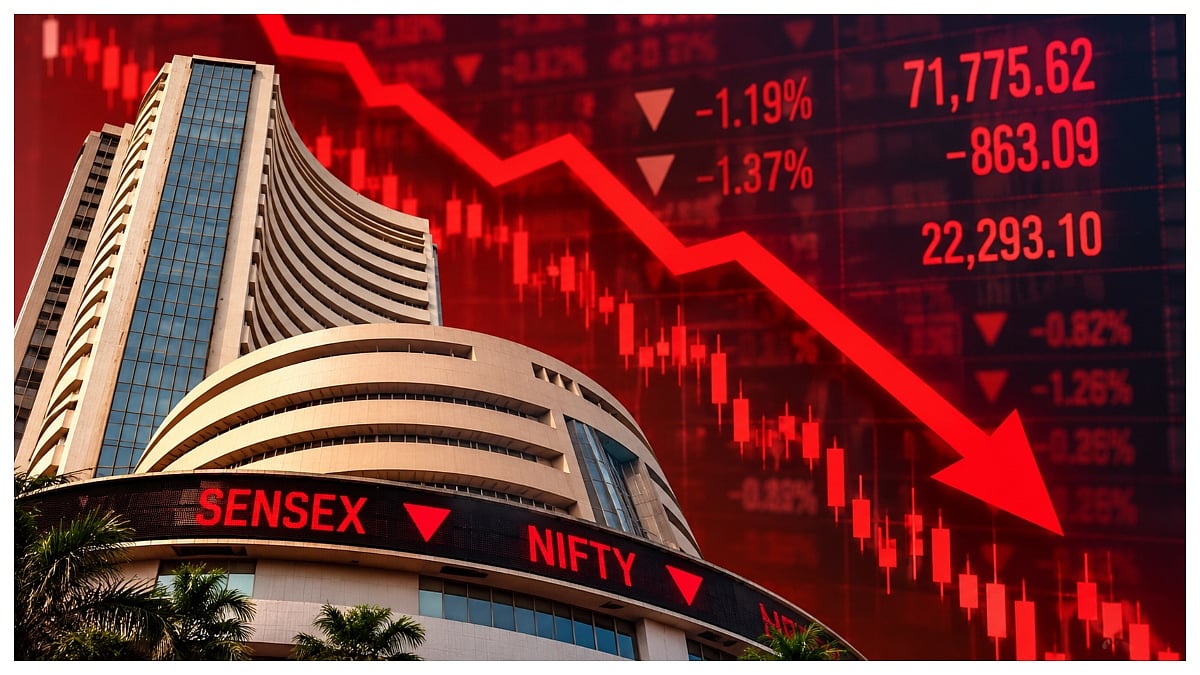
The Sensex lost more than 1,000 points, and the Nifty went below 22,300.
Oil became more expensive, partly because investors worried about supply disruptions in the Middle East.
Costlier oil can increase India’s import bill and add to inflation pressure.
India’s central bank also raised its main interest rate and signaled a tighter approach.
US bond yields rose, and overseas investors kept selling Indian shares.
Some investors also took profits on stocks that had recently risen.
Many mid-sized and smaller companies fell too, though Titan and several IT companies gained.
The article says pressure could continue while foreign investors remain sellers.

The Sensex fell more than 1,000 points to an intraday low of 71,691.95, while the Nifty dropped over 300 points and traded below 22,300.
Brent crude rose more than 3.5% to above $103 per barrel amid concerns about Middle East supply disruptions.
The Reserve Bank of India raised its repo rate by 25 basis points and shifted its policy stance from neutral to calibrated tightening.
Foreign institutional investors continued selling Indian equities, while rising US bond yields and profit-taking added pressure.
Mid- and small-cap indices also fell; several large companies declined, while Titan and major IT stocks gained.
- Who
- Indian stock-market investors, with foreign institutional investors selling equities.
- What
- Indian benchmark and broader-market indices fell sharply.
- Where
- Indian equity markets.
- When
- During the trading session described as today; no calendar date is provided.
- Why
- The article cites higher crude prices, a weaker rupee, the RBI's rate increase and tighter stance, rising bond yields, foreign selling, profit-taking, and declines in heavyweight stocks.
Key facts
- Sensex intraday low
- 71,691.95
- Nifty
- Fell more than 300 points, or 1.37%, and traded below 22,300
- Brent crude
- Rose more than 3.5% to above $103 per barrel
- RBI repo rate
- Raised by 25 basis points; described as the first hike in nearly four years
- RBI policy stance
- Changed from neutral to calibrated tightening
- US bond yields
- The 30-year yield rose above 5.7%; the 10-year yield moved above 5.3%
- Broader markets
- Nifty Midcap 100 and Nifty Smallcap 100 fell as much as 2%
Quotes
Dr. V K Vijayakumar
Chief Investment Strategist at Geojit Investments
“With the US 10-year bond yield hovering above 5.3%, FIIs will continue to sell on every rally. This will put the Nifty large-caps under pressure for some more time.”
 financialexpress.com
“A reversal in this trend will happen only when FIIs turn buyers, and there is no clarity on when this will happen.”
financialexpress.com
Sunny Agrawal
Head of Fundamental Research at SBI Securities
“Spike in crude oil prices to $103 per barrel, weakness in USDINR, profit-taking in stocks that were in a strong uptrend, and persistent aggressive FII outflows are the key factors weighing on the market”
financialexpress.com
Sources
Related news

Indian Markets Extend Sell-Off as Oil and Yields Rise

Indian Stocks Fall as Foreign Selling and Oil Pressure Mount

Sensex, Nifty Fall as Rate Hike, Crude and Selling Weigh
Indian Markets Slide as US Yields, Oil and Rupee Weaken
Indian Markets Lose Nearly Rs 5 Lakh Crore After Sell-Off

Indian Stocks Plunge as FII Selling, Yields and Crude Rise

AI Investment Risks and High Rates Shape India’s Market Outlook

Adani Power Shares Fall as Analysts Flag Key Support Levels

Senco Gold Shares Jump After Strong Second-Quarter Business Update
Sensex Falls 863 Points as Crude and Global Weakness Pressure Markets
