

3 weeks ago
Kolkata's concrete boom makes city hotter, threatens green cover: study

Kolkata is a large city that has grown very quickly in the last twenty years.
Scientists from IIT Kharagpur studied how the city changed.
They looked at the years 2000 to 2020.
They found that most of the city area is now covered by buildings and roads.
This is called a 'concrete boom.'
The boom has made the city hotter.
Many trees, farms, ponds and wetlands were removed to make space.
Trees and water help cool a city, so losing them is a problem.
The scientists say the city should think carefully about where it grows next.
They hope the city will protect the green spaces and water bodies that are left.

An IIT Kharagpur study found built-up areas now cover nearly 86% of the Kolkata metropolitan region, up from 72% in 2000.
The study, published in Environmental Science and Pollution Research, analyzed changes in the region between 2000 and 2020.
More than 60 sq km of tree cover disappeared during the two decades.
Around 20 sq km of agricultural land and nearly 10 sq km of ponds and wetlands were lost to urban expansion.
Researchers say the growth of residential townships, commercial projects and transport infrastructure has raised temperatures and identified where the city should and should not expand.
- Who
- Researchers at IIT Kharagpur
- What
- A study found that Kolkata's rapid urban expansion has increased temperatures and reduced green cover, wetlands and water bodies
- Where
- Kolkata metropolitan region
- When
- The study analyzed changes across the Kolkata metropolitan region between 2000 and 2020
- Why
- Residential townships, commercial projects and transport infrastructure expanded, replacing tree cover, agricultural land and ponds and wetlands
Key facts
- Study institution
- IIT Kharagpur
- Journal
- Environmental Science and Pollution Research
- Period analyzed
- 2000-2020
- Built-up area in 2000
- 72% of metropolitan area
- Built-up area in 2020
- Nearly 86% of metropolitan area
- Tree cover lost
- More than 60 sq km
- Agricultural land lost
- Around 20 sq km
- Ponds and wetlands lost
- Nearly 10 sq km
Sources
Related news

Kolkata’s Sparrows Seem Scarcer Despite Stable Population Trends

Kolkata looks like concrete jungle from above: West Bengal CM

Third Master Plan for Chennai Metropolitan Area Faces Year Delay
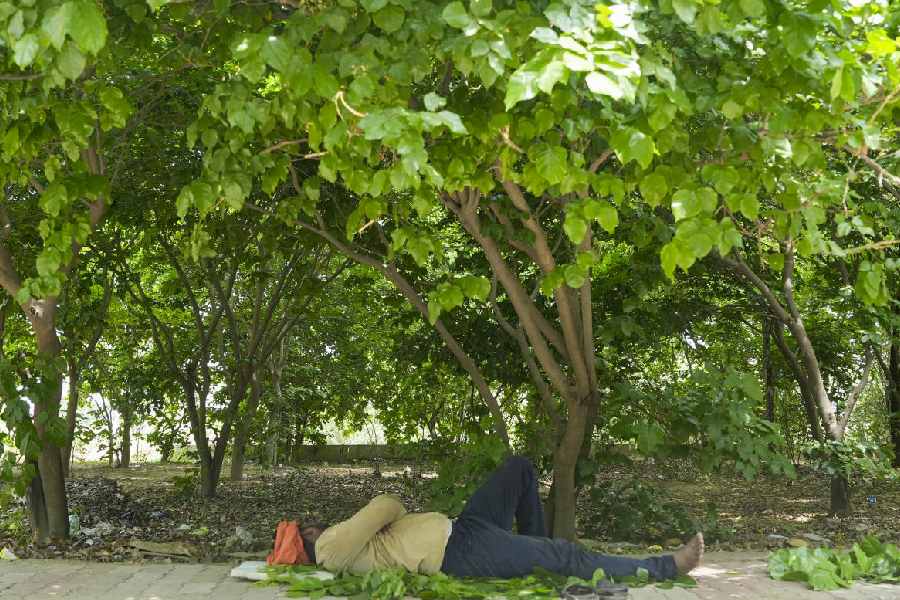
Rising Humid Heat Could Bring 4,000 Annual Deaths to Lucknow

Climate-Resilient Urban Planning Could Make India’s Cities Safer
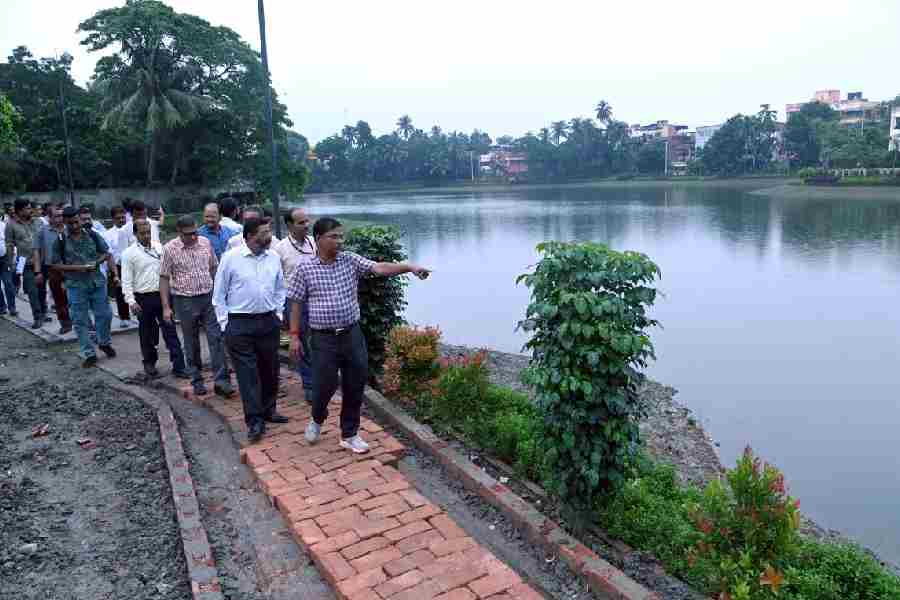
NDMA urges restoring Kolkata's lost wetlands to curb urban flooding

Assam Proposes Scholarships for 100 IIT Guwahati Students

IIT Kharagpur Revises Registration Schedule for JAM 2027
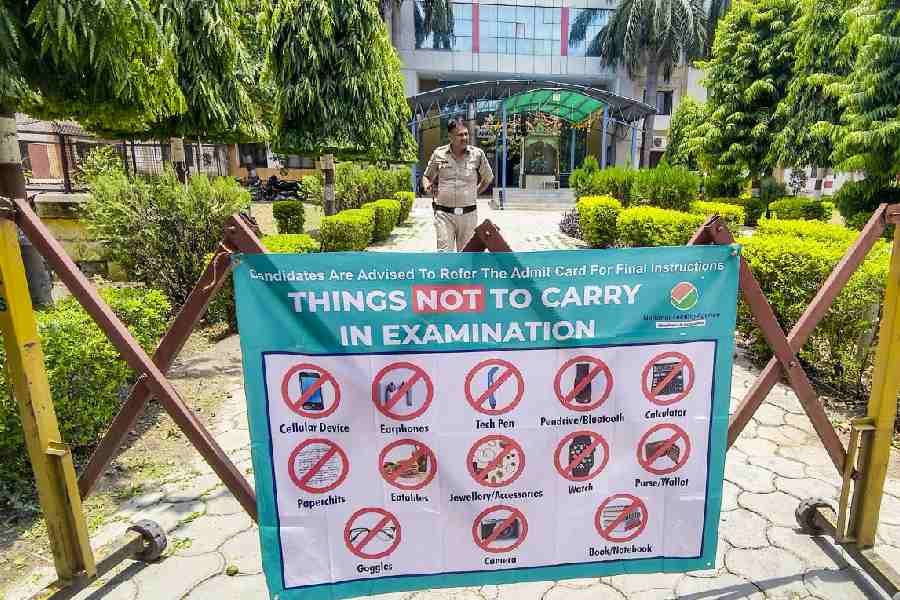
Power, Technical Glitches Disrupt NEET-PG Exam in Jaipur

Territorial Army Unveils Official Song 77 Years After Raising

CRDA Approves ₹1,437-Crore Infrastructure Push for Amaravati Villages
