3 weeks ago
Bullock Cart Racing Chases League Dream, Seeking Lessons from Kabaddi
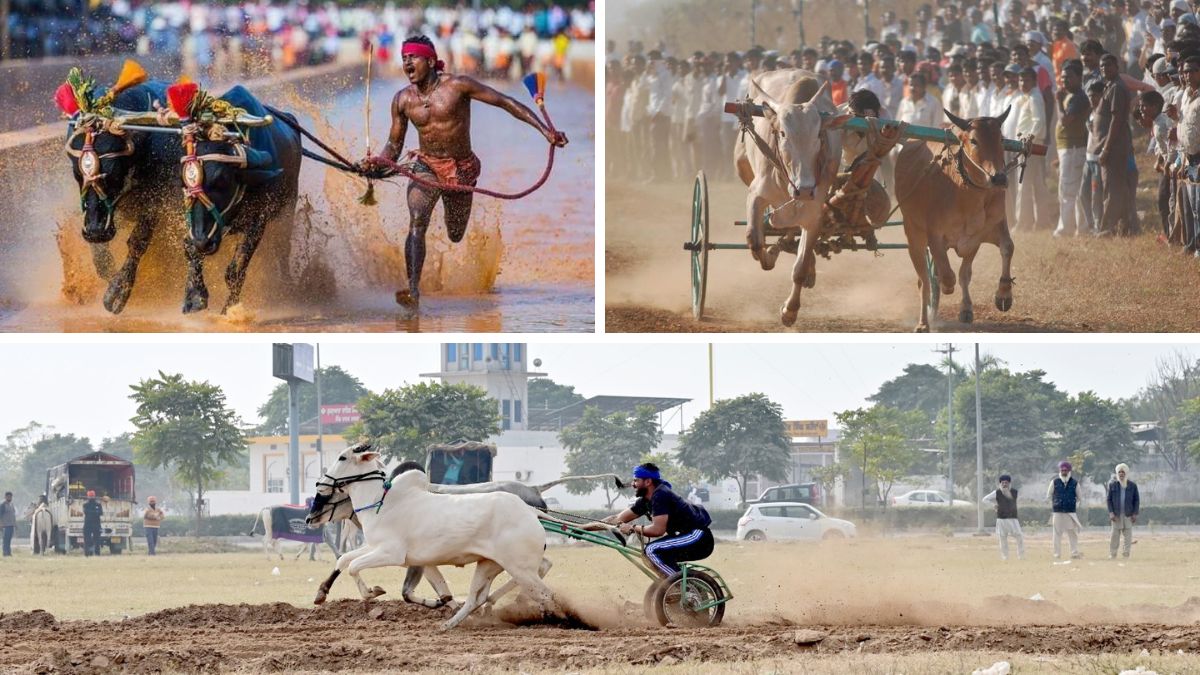
Bullock cart racing is a very old sport in India where two bulls or buffaloes pull a small wooden cart as fast as they can through muddy fields.
People in villages in places like Maharashtra and Karnataka love watching it, and some racers become local heroes.
One racer, Srinivasa Gowda, became famous all over India in 2020, but the sport itself never grew into a big business like cricket or kabaddi.
Kabaddi and other old Indian games now have big leagues where players are paid like professional athletes.
Bullock cart racing does not have one big organization, clear rules, or a person who sells the sport to television, so racers cannot build careers.
Keeping race bulls is also very expensive, since a good pair can cost more than ten lakh rupees.
The Supreme Court stopped the races in 2014 because people worried the animals were being hurt, but many states made new laws and the court later allowed the sport again with rules.
The article says the sport could become big if people organize it well, like camel racing in the UAE and Qatar, which even uses robot jockeys.
Or it could simply become a famous tourist attraction, because the races take place in beautiful green farmlands.

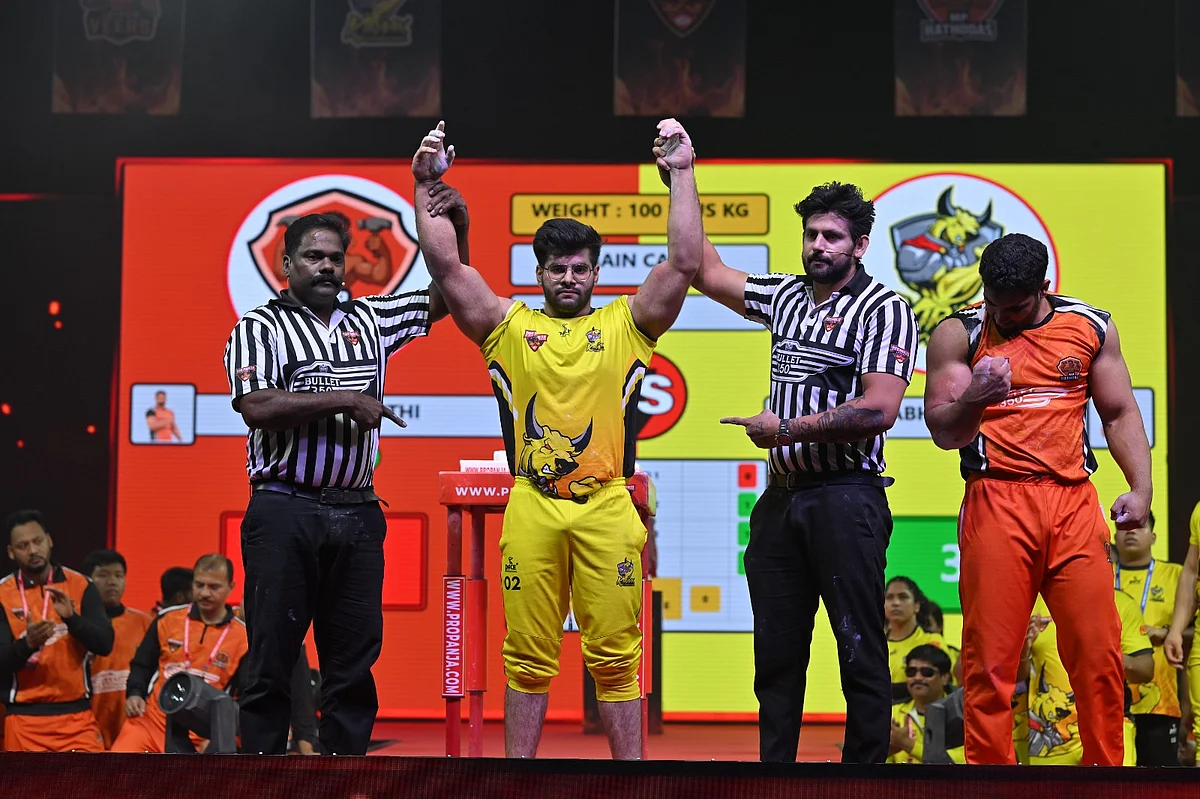
Bullock cart racing remains commercially neglected despite large local crowds, unlike Kabaddi, Kho Kho and arm wrestling, which now have professional leagues.
Kambala racer Srinivasa Gowda became a viral sensation in winter 2020 after videos of him sprinting behind buffaloes went viral, but he declined a Sports Authority of India athletics trial.
The Supreme Court of India banned Jallikattu, Kambala and bullock cart racing in 2014 under the Prevention of Cruelty to Animals Act; states then legalised the sports under regulated conditions, which the court upheld in 2023.
Charu Sharma, who co-founded Mashal Sports and helped build the Pro Kabaddi League, says bullock cart racing's problem is a lack of organisation, a national entity and standardised rules, not a lack of spectators.
Horse racing and camel racing in the UAE and Qatar, which now uses robot jockeys, show how traditional animal sports became industries, and the article suggests tourism is a major untapped opportunity.
- Who
- Kambala racer Srinivasa Gowda of Karnataka, sports entrepreneur Charu Sharma, co-founder of Mashal Sports, and the village committees, district associations and organisers who run bullock cart races across India.
- What
- An analysis of why India's bullock cart racing, including Maharashtra's Bailgada Sharyat, remains a locally rooted tradition without professional leagues, centralised media rights or national governance.
- Where
- Rural India: western Maharashtra's sugarcane belt and Konkan coast, Karnataka's Kambala fields, Punjab's Kila Raipur Rural Olympics and Kerala, with comparisons to Indian horse racing and Gulf camel racing.
- When
- The article is written from a 2026 vantage point, looking back at Srinivasa Gowda's viral fame in winter 2020, the 2014 Supreme Court ban and the 2023 Supreme Court ruling that upheld state laws.
- Why
- Because the sport lacks a commercial owner, a national governing body, standardised rules, professional management and regulatory certainty, which deters broadcasters, sponsors and athletes seeking careers.
Animal Welfare Advocates
Traditional Sport Supporters
Regulating the races
Animal Welfare Advocates
Groups opposed to the sports argue that practices in Jallikattu, Kambala and bullock cart racing violate the Prevention of Cruelty to Animals Act; their objections led to the 2014 Supreme Court ban and continue to create legal uncertainty for commercial partners.
Traditional Sport Supporters
Communities argue the races are living rural traditions tied to family prestige and local identity, and that states were right to legalise them under regulated conditions, which the Supreme Court upheld in 2023.
Path to growth
Animal Welfare Advocates
Following the Pro Kabaddi League model, the sport should be rebuilt as a national, professional property with standardised rules, centralised media rights and professional management.
Traditional Sport Supporters
Given the sport's dependence on specific landscapes, it may be better positioned as a well-organised tourism destination, like Kerala's Nehru Trophy Boat Race, rather than a nationwide league.
Key facts
- Sport
- Bullock cart racing (Bailgada Sharyat), including buffalo-based Kambala and Maramadi
- Viral racer
- Srinivasa Gowda, a Kambala racer from Karnataka compared to Usain Bolt in winter 2020
- 2014 legal ban
- Supreme Court of India prohibited Jallikattu, Kambala and bullock cart racing under the Prevention of Cruelty to Animals Act
- 2023 ruling
- Supreme Court upheld state laws permitting traditional animal sports under regulated conditions
- Race format
- A pair of Khillar bulls pulls a lightweight wooden cart down a roughly 400-foot stretch in just over a dozen seconds
- Cost of racing bulls
- A proven pair of Khillar bulls can cost from a few lakh rupees to over ₹10 lakh, plus feed, transport and veterinary care
- Commercial comparators
- Pro Kabaddi League, Ultimate Kho Kho and Pro Panja League (arm wrestling) have franchised, televised leagues
- Success examples
- Horse racing in India and camel racing in the UAE and Qatar, which now uses robot jockeys
Quotes
Charu Sharma
Co‑founder of Mashal Sports, former organizer of the Pro Kabaddi League
“You need to get on board, partner with professionals — a professional operations manager, a commercial manager and so on — because they are the ones who allow the multiplication of that event.”
 financialexpress.com
Sources
Related news

India's Equestrian Future Bright, But Regulations Must Change

560 Bullock Carts Compete in Rajyapal Kesari Race

Corporate India Urged to Build Sports, Not Just Sponsor
India's Record U20 Medal Haul Fueled by Corporate Sports Investment
Can Archery Premier League build business around India's archery success?
India's WDS Tests a Bootstrapped Path to Global MMA

Shubham Nishad Wins Champion of Champions Armwrestling Title
PAFI Receives PCI Affiliation for Para-Armwrestling
Kiraak Hyderabad Wins Pro Panja League Season 2 Title
Kiraak Hyderabad Advances to Pro Panja League Final