2 weeks ago
India’s Javelin Deal Should Remain a Temporary Stopgap
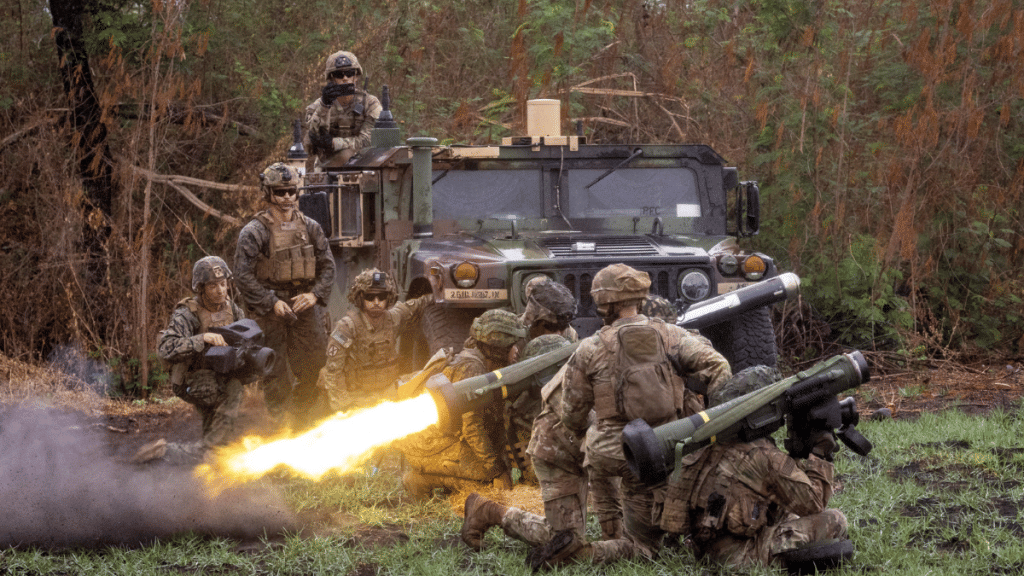
India is buying a small number of Javelin missiles from the United States.
These missiles are very effective against tanks, but they are expensive.
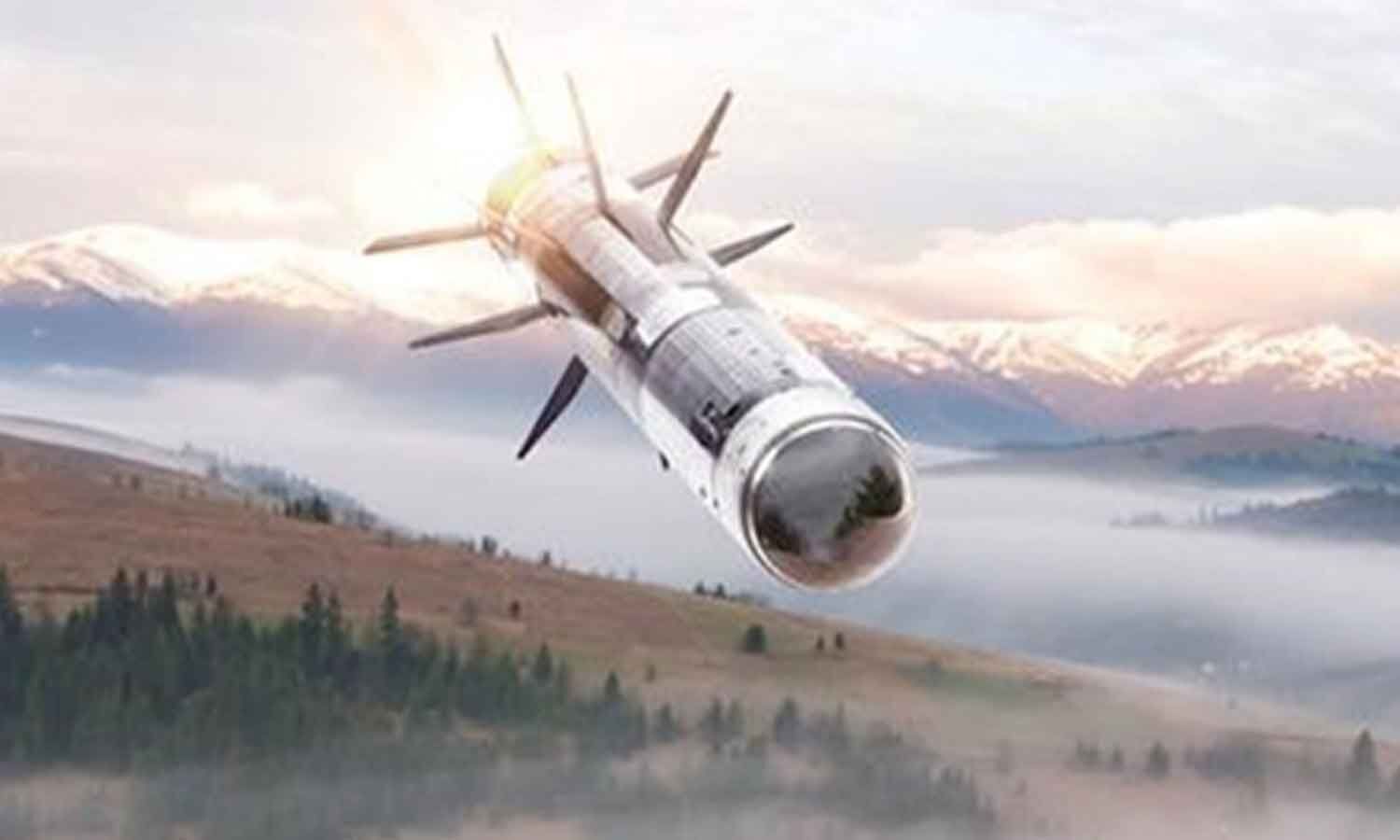
India is also developing its own MPATGM anti-tank missile.
The article says the Indian missile is nearly ready for large-scale production.
Drones are much cheaper and have destroyed many vehicles in recent wars.
However, drones cannot do everything that missiles and ground forces can do.
The author believes Javelins should fill a temporary gap while Indian weapons are produced.
India should use a mix of advanced missiles, domestic missiles, and many inexpensive drones.
Replacing all older anti-tank weapons with Javelins would be costly and unwise, according to the article.

India has agreed to initially buy 100 Javelin missiles and 25 command launch units from the United States.
Tata Advanced Systems will explore production in India with Javelin manufacturers Lockheed Martin and Raytheon, but no technology transfer is specified.
The article argues that India’s indigenous MPATGM is approaching mass production and should become its main man-portable anti-tank weapon.
Javelins offer high-end fire-and-forget capability, but cost about $200,000 each compared with roughly $400–500 for an FPV attack drone.
The recommended approach is a limited Javelin purchase alongside large numbers of MPATGMs and inexpensive attack drones.
- Who
- India, the United States, Tata Advanced Systems, and the Javelin joint venture of Lockheed Martin and Raytheon are involved.
- What
- India has concluded an initial deal for 100 Javelin anti-tank missiles and 25 command launch units.
- Where
- The deal concerns United States-made Javelins and potential production in India.
- When
- The negotiations began in 2009; the article says indigenous MPATGM trials demonstrated top-attack capability in January 2026.
- Why
- The Javelins are intended to provide an interim high-end anti-tank capability while India develops and produces indigenous systems.
Limited Stopgap Use
Long-Term Javelin Reliance
Role of the Javelin
Limited Stopgap Use
Use a small Javelin force temporarily until indigenous MPATGM production becomes available.
Long-Term Javelin Reliance
Use the Javelin more extensively, potentially as the basis for replacing India’s approximately 6,000 legacy anti-tank launchers.
Future anti-tank balance
Limited Stopgap Use
Combine a limited number of high-end missiles with large numbers of MPATGMs and inexpensive attack drones.
Long-Term Javelin Reliance
Prioritize the proven Javelin despite its higher cost and avoid relying mainly on systems whose production or delivery may be delayed.
Technology and self-reliance
Limited Stopgap Use
Maintain India’s commitment to Aatmanirbharta because MPATGM offers broadly comparable capabilities at a lower cost and may soon enter mass production.
Long-Term Javelin Reliance
Pursue deeper cooperation with the United States, including possible local production, even though the current agreement does not specify technology transfer.
Key facts
- Initial purchase
- 100 Javelin missiles and 25 command launch units
- Potential Indian production
- Tata Advanced Systems signed an agreement to explore production with Lockheed Martin and Raytheon
- Javelin cost
- Approximately $200,000 or more per missile, depending on acquisition and configuration
- FPV drone cost
- Approximately $400–500 for a basic attack drone
- Indigenous alternative
- The MPATGM is described as a third-generation, man-portable missile moving toward mass production
- Existing inventory
- India has approximately 6,000 second-generation anti-tank missile launchers
- Recommended interim scale
- The author suggests approximately 100 command launch units and 400–500 missiles