1 day ago
Saudi Arabia Weighs Limited Options as Houthi Attacks Escalate
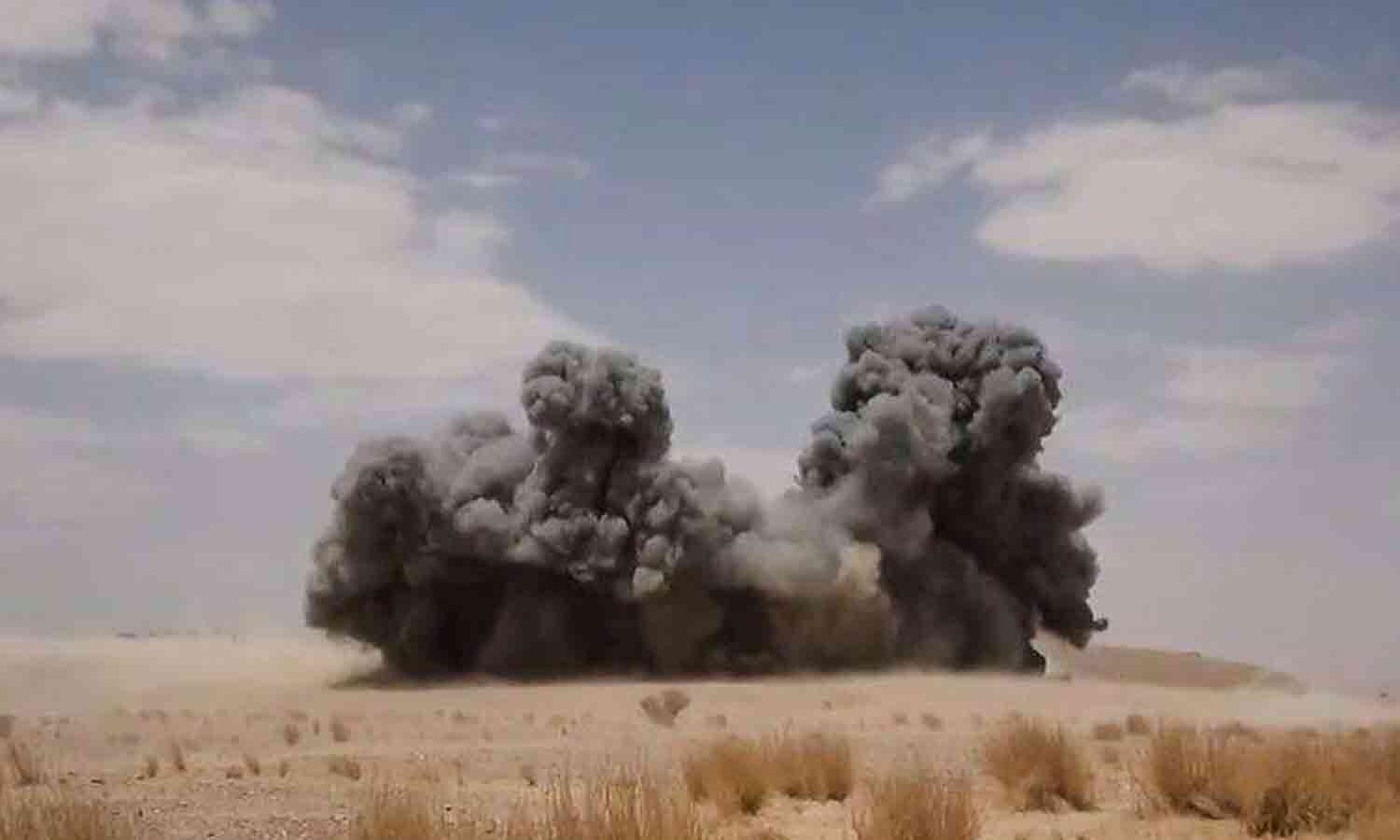
Saudi Arabia is being attacked by Houthi fighters from Yemen.
The attacks threaten ships and oil routes that are important to Saudi Arabia and the world economy.
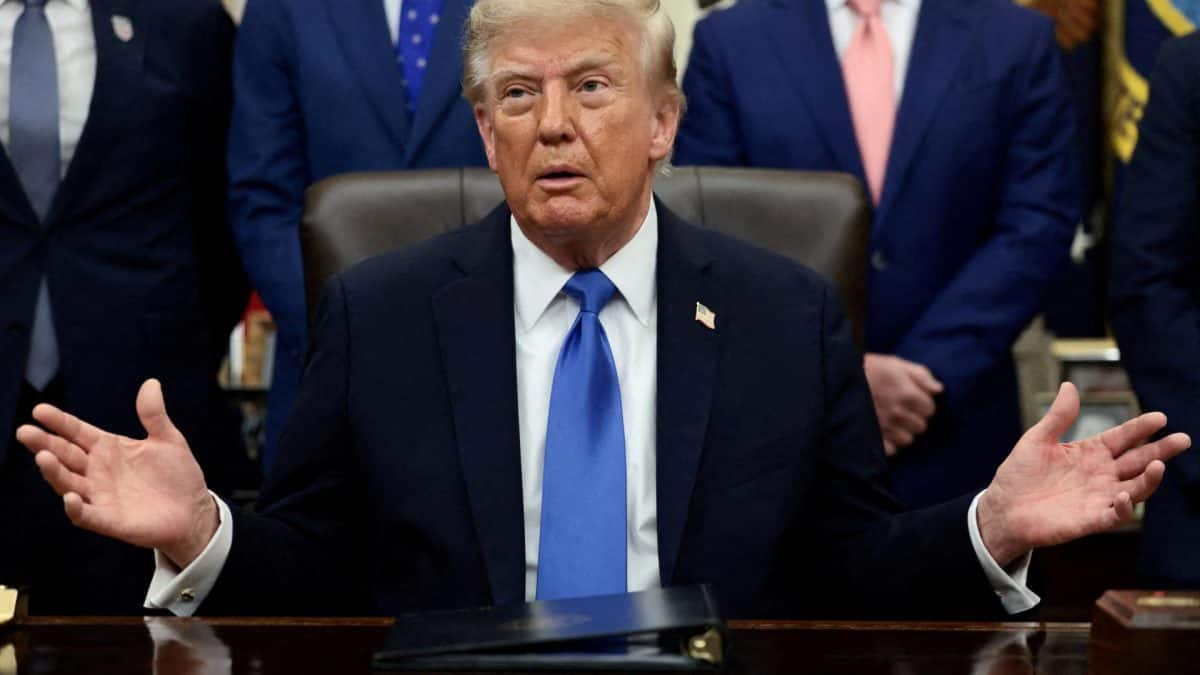
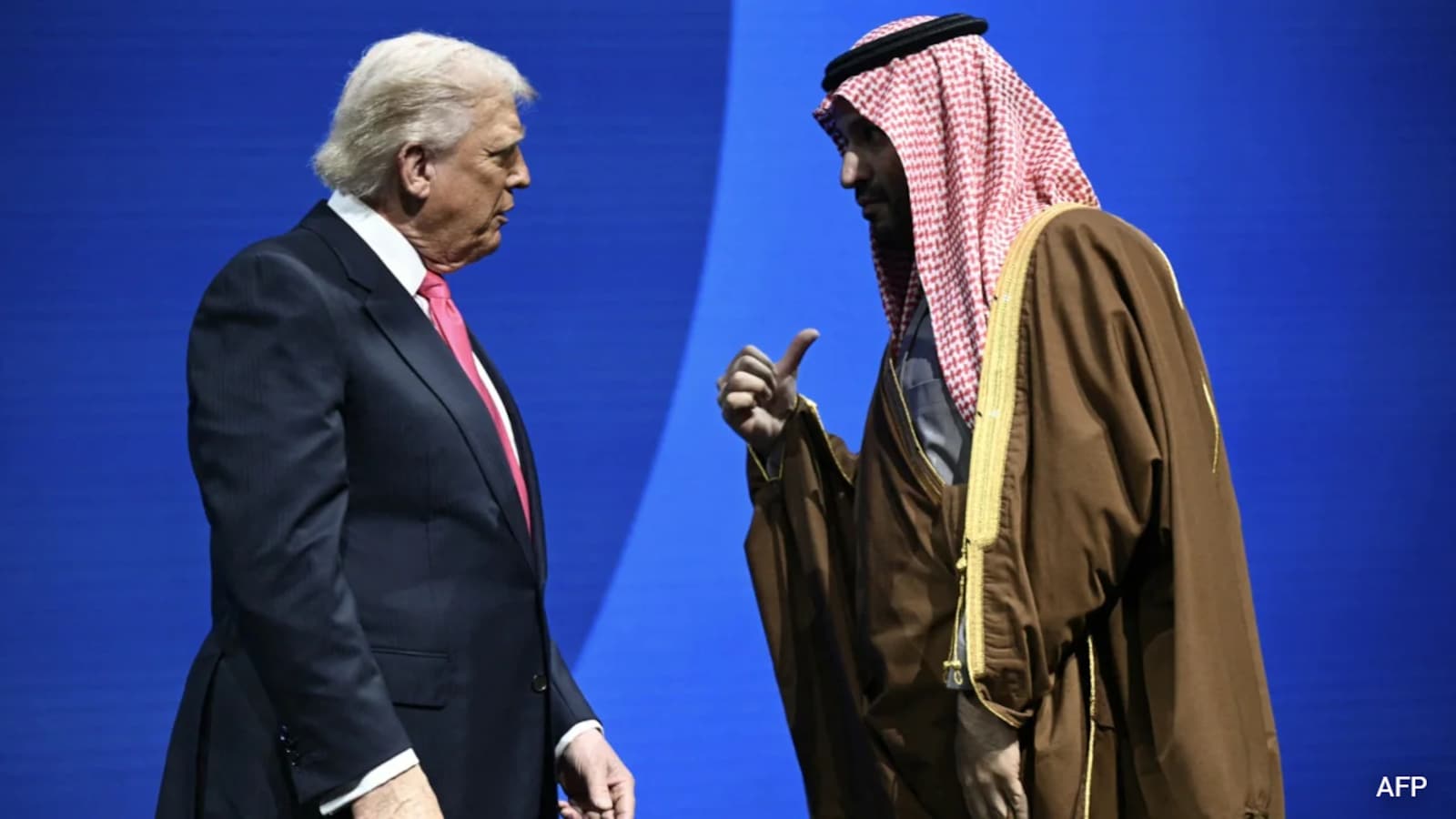
Saudi Arabia wants help from the United States, but President Donald Trump reportedly does not want to start another military front.
The United States is already involved in a conflict with Iran and has limited ships and weapons available.
Saudi Arabia could attack the Houthis more strongly, but that might lead to even more attacks.
It could also try to negotiate with the Houthis or Iran.
Negotiations may require Saudi Arabia to lift a blockade and may not quickly stop the fighting.
Saudi leaders must choose between difficult options while trying to protect their oil exports and regional plans.

Houthi attacks have targeted Saudi Arabia and threatened oil shipments through key Red Sea routes.
Saudi oil exports to Asia fell sharply, from about 3.4 million barrels per day in June to 128,000 in August, before partially recovering.
Saudi Arabia has sought US assistance, but President Donald Trump reportedly declined a request for military action against the Houthis.
Riyadh could intensify military operations or pursue diplomacy with the Houthis and Iran, but both paths carry significant risks.
The conflict reflects broader tensions involving Saudi Arabia, Iran, the United States, and shipping routes through the Strait of Hormuz and Bab el-Mandeb.
- Who
- Saudi Arabia, the Iran-backed Houthi rebels, Iran, and the United States are the main parties described.
- What
- Houthi attacks and territorial gains are threatening Saudi oil exports and Red Sea shipping, while Riyadh considers military and diplomatic responses.
- Where
- The events involve Saudi Arabia, Yemen, the Red Sea, the Strait of Hormuz, the Bab el-Mandeb Strait, and Iraq-linked attack routes.
- When
- The latest attacks and developments occurred in recent weeks, with tensions reigniting in July and major attacks resuming after a four-year pause.
- Why
- The Houthis are seeking to pressure Saudi Arabia and demand an end to a Saudi-led blockade, while Saudi Arabia is trying to protect its territory, energy infrastructure, and shipping routes.
Military Response
Diplomatic Engagement
How Saudi Arabia should respond
Military Response
Saudi Arabia could intensify military operations to try to dislodge the Houthis and protect its shipping and energy infrastructure.
Diplomatic Engagement
Saudi Arabia could seek negotiations with the Houthis or Iran to reduce attacks and avoid prolonging the war.
Risks of each approach
Military Response
A stronger military campaign could prolong the conflict and provoke heavier attacks on Saudi energy infrastructure; Houthi weapons are also described as more sophisticated than before.
Diplomatic Engagement
Negotiations could require lifting the Saudi-led blockade, potentially allowing the Houthis to become stronger, while Iran may seek major concessions from the United States before supporting regional stability.
Role of the United States
Military Response
Saudi Arabia expects its long-standing US security partnership to help defend the kingdom and its shipping routes.
Diplomatic Engagement
Trump has resisted opening another conflict front, citing the existing confrontation with Iran, an overstretched Navy, and diminishing munitions stocks.
Key facts
- Main threat
- Iran-backed Houthi attacks on Saudi Arabia, ships, and energy infrastructure
- Oil export decline
- Saudi exports to Asia fell from about 3.4 million barrels per day in June to 128,000 in August, then recovered to about 700,000 this month
- Key shipping routes
- The Strait of Hormuz, Bab el-Mandeb Strait, Red Sea, and Suez Canal
- US position
- Donald Trump reportedly declined Saudi Arabia's request for military action against the Houthis; Washington is reportedly providing intelligence
- Military history
- Saudi Arabia fought the Houthis beginning in 2015, with a ceasefire reached in 2022
- Reported casualties
- A Saudi oil tanker strike in the Strait of Hormuz killed two sailors
- Saudi objective
- Protect the kingdom and maintain freedom of navigation in the Red Sea
Quotes

Michael Ratney
Former US ambassador to Saudi Arabia
“Already confronting one open-ended conflict with Iran, with an overstretched Navy and a diminishing munitions stockpile, it's unsurprising that he does not want to open this new front. But it is bitterly disappointing to the Saudis.”
 NDTV
NDTV
“Despite their antipathy for the Iranians, this is a war they had never asked for, they had great trepidation about it. And once it started, all of their...worst-case scenarios started coming true.”
NDTV
Sources
Related news
Saudi Arabia Faces Houthi Gains, Oil Disruptions, Uncertain U.S. Support

MBS Asked Trump Twice for Houthi Strikes; Trump Declined

Houthi Attacks Injure 13 as Hormuz Talks Stall

Gulf Talks Delayed as Houthis Strike Saudi Arabia

Houthi Advance on Marib Raises Saudi Escalation Fears
Trump Says Houthis Asked U.S. Not to Intervene
Pakistan Weighs Smart Lockdown as Fuel Prices Surge

Indian Stocks Face Pressure as Oil and Global Yields Rise
CBO Warns Iran War Costs $38 Billion, Strains Missile Stocks
Saudi Arabia, Egypt Seek Secure Strait Passage Amid Houthi Escalation

Record Shipping Costs Drive US Crude Flows Toward Asia