

44 mins ago
Bengal SIR tribunals face massive backlog as judge considers resignation
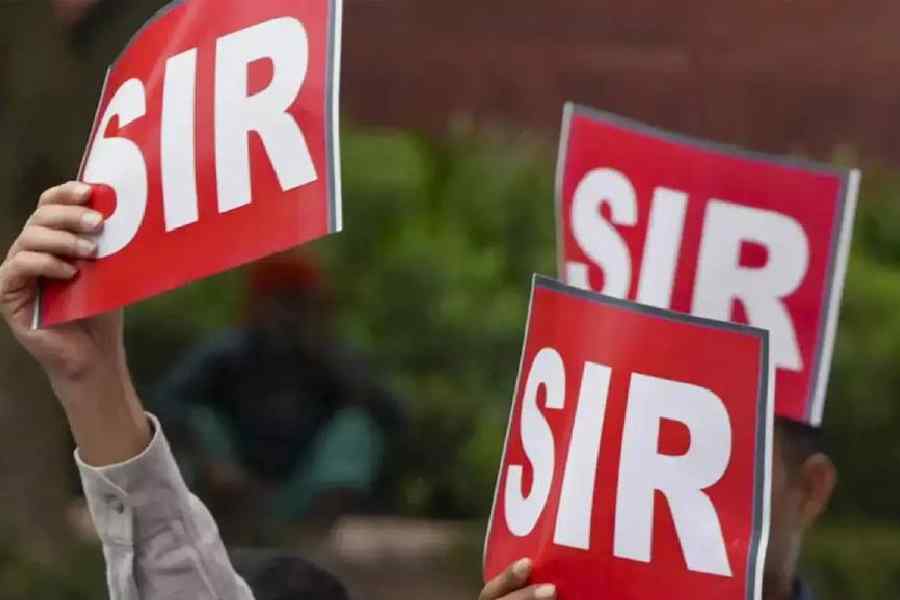
West Bengal removed many names from its voter lists during a special review called SIR.
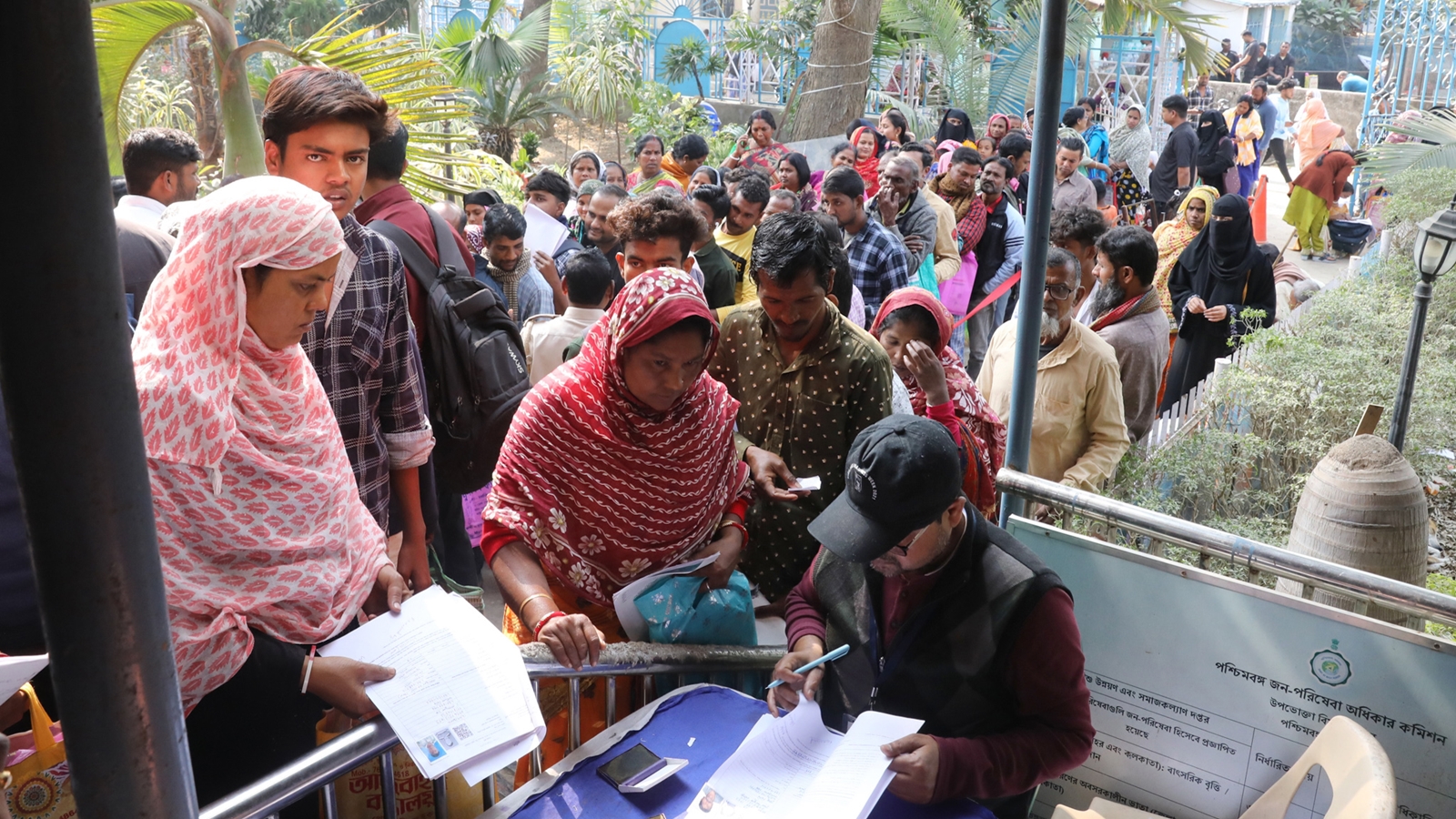
People whose names were removed can appeal to special tribunals.
One retired judge, Indrajit Chatterjee, has about 5.3 lakh appeals assigned to his tribunal.
He can usually decide only about 10 cases each day.
At that speed, finishing the cases could take about 145 years.
So far, he has restored 350 people’s names and removed 75 names.
He says the long trip to the hearing centre is another serious problem.
An election official says the tribunals were created under a Supreme Court order and that the state commission cannot change how they operate.

Justice (retd) Indrajit Chatterjee has decided 425 appeals, restoring 350 names and removing 75.
About 5.3 lakh appeals remain pending before Chatterjee’s tribunal, which can hear roughly 10 cases daily.
More than 27 lakh voters were deleted from Bengal’s rolls after adjudication during the SIR exercise.
The Election Commission told the Supreme Court that over 37 lakh of 38 lakh appeals remain pending nationwide.
Chatterjee said he may resign on November 2 unless allowed to work from home or a closer venue.
- Who
- Retired Justice Indrajit Chatterjee, other tribunal judges, voters, the Election Commission and the Supreme Court are involved.
- What
- Special appellate tribunals are handling appeals over voter names included in or excluded from Bengal’s electoral rolls, but face a very large backlog.
- Where
- The case concerns West Bengal, including Murshidabad; Chatterjee’s hearing centre is in Joka, while he lives in Salt Lake.
- When
- The tribunals began functioning on April 13; Chatterjee said his resignation would take effect on November 2 unless conditions change.
- Why
- The backlog resulted from appeals filed after voter deletions during the special intensive revision of electoral rolls.
Critics and tribunal judge
Election authorities
Handling the backlog
Critics and tribunal judge
Justice Chatterjee’s caseload and the wider backlog show that more tribunals are needed, according to activist Kushal Debnath and the Sangrami Ganamancha.
Election authorities
The state election commission says the tribunals were established under a Supreme Court order and that a panel headed by the Calcutta High Court chief justice decides their functioning.
Working arrangements
Critics and tribunal judge
Chatterjee says he may resign because the journey to Joka takes about two hours and asks to hear cases from home or a closer venue.
Election authorities
The state election commission says it cannot interfere with the tribunals’ operation.
Voter deletions
Critics and tribunal judge
The Sangrami Ganamancha says people struck off the rolls need their voting rights restored and has planned protest rallies.
Election authorities
The Election Commission has reported the scale of appeals and adjudications to the Supreme Court; the article does not state a separate response to the group’s allegations.
Key facts
- Appeals assigned to Chatterjee’s tribunal
- Around 5.3 lakh pending
- Appeals decided by Chatterjee
- 425
- Results of those decisions
- 350 names restored; 75 names struck off
- Voter deletions in Bengal
- More than 27 lakh after adjudication
- Appeals initially filed nationwide
- Over 38 lakh
- Nationwide appeals still pending
- Over 37 lakh
- Number of appellate tribunals
- 19
Quotes
Justice (retd) Indrajit Chatterjee
Retired Calcutta High Court judge presiding over an SIR appellate tribunal in Murshidabad.
“The journey to Joka takes around two hours. I cannot decide more than 10 appeals a day. If I am allowed to hear appeals from my home or an alternate venue closer to home, I will continue. Otherwise, my resignation will come into effect from November 2.”
 telegraphindia.com
“The number of tribunals must be increased. The Supreme Court must expedite the hearings and hold the Election Commission accountable. The commission is working with vested interests.”
telegraphindia.com
Sources
Related news

West Bengal SIR Leaves Over 37 Lakh Appeals Pending
Supreme Court Rejects Early Bengal SIR Hearing Before Bypolls
Bengal Voters Deleted After SIR Must Appeal Through Tribunals
Trinamool Seeks Urgent SIR Appeals Resolution Before Bengal Bypolls
EC Says 82% of Deleted Bengal Voters Appealed Removal

Deleted Bengal Voters March for Faster Electoral Roll Appeals
Vigilantes Attack Anubrata Mondal at Birbhum Trinamool Office
MLA Humayun Kabir Questioned Over Communal Harmony Charge

AJUP Leader Arrested Over Alleged Provocative Remarks Against Police
‘Cleared SIR, Voted’: Woman Challenges Husband’s Detention Before Court