

1 hr ago
China Seeks Greater Influence Through BRICS Ahead of Presidency
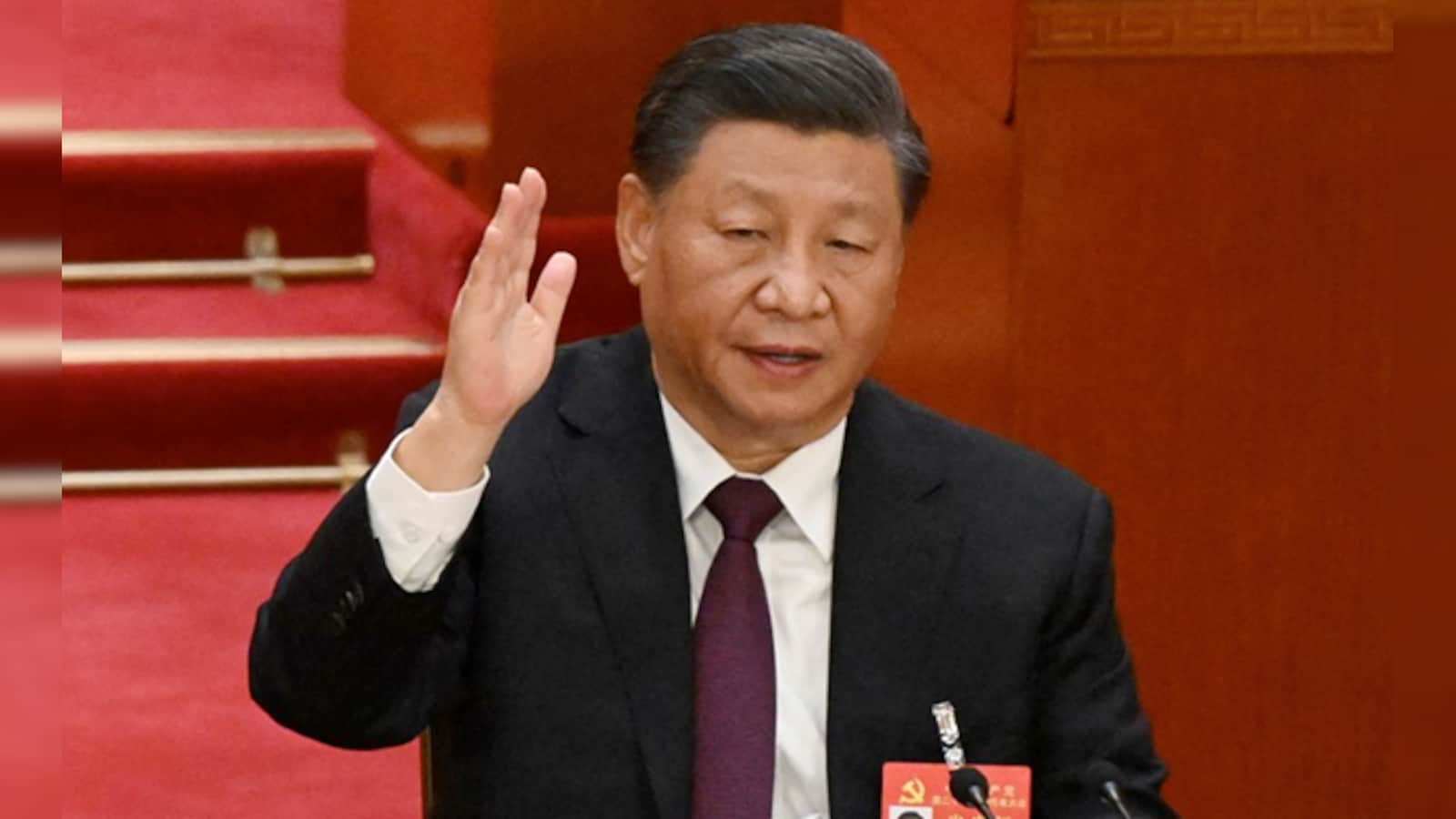
China is trying to make BRICS a stronger and more influential group of developing countries.
The article says Beijing wants BRICS to support its ideas about global development and international rules.
China has helped expand BRICS and supported institutions such as the New Development Bank.
It also favors more trade using countries’ own currencies instead of the US dollar.
India is more cautious and says it does not want to replace the dollar.
India does support some ways to reduce financial risks.
Because China is economically much larger than the other BRICS members combined, it has substantial influence.
The article says India will need to work carefully with other members and strengthen its own economy.

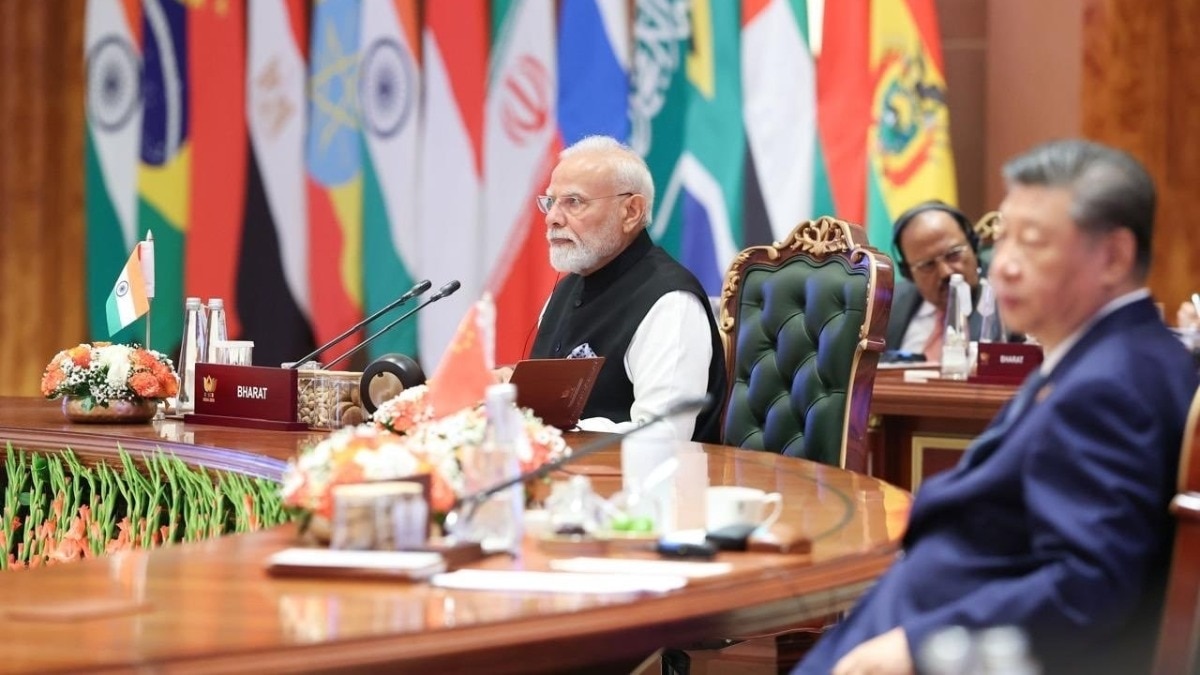
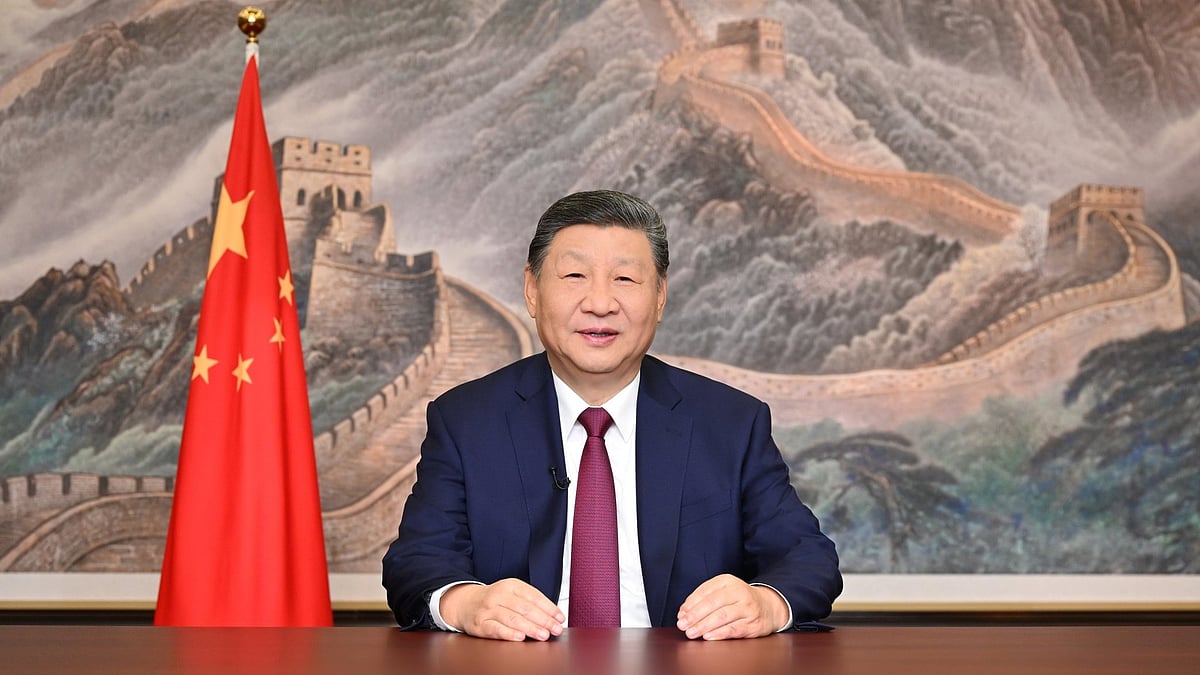
Xi Jinping attended the 18th BRICS Summit in India, his first visit there in seven years, as bilateral ties undergo normalization.
The analysis argues China views BRICS as a platform for reshaping global rules and presenting itself as a voice of the Global South.
Beijing has promoted BRICS expansion, the New Development Bank, local-currency trade, and other Chinese initiatives within the grouping.
China’s priorities include reducing reliance on the dollar, while India says it does not seek to replace the dollar’s reserve role.
The article says India must balance China’s economic weight by scrutinizing proposals, increasing its BRICS contributions, strengthening the rupee, and expanding exports.
- Who
- Chinese President Xi Jinping, China, India, and other BRICS members.
- What
- China is using BRICS to advance its institutional, economic, and geopolitical priorities ahead of its planned 2027 presidency.
- Where
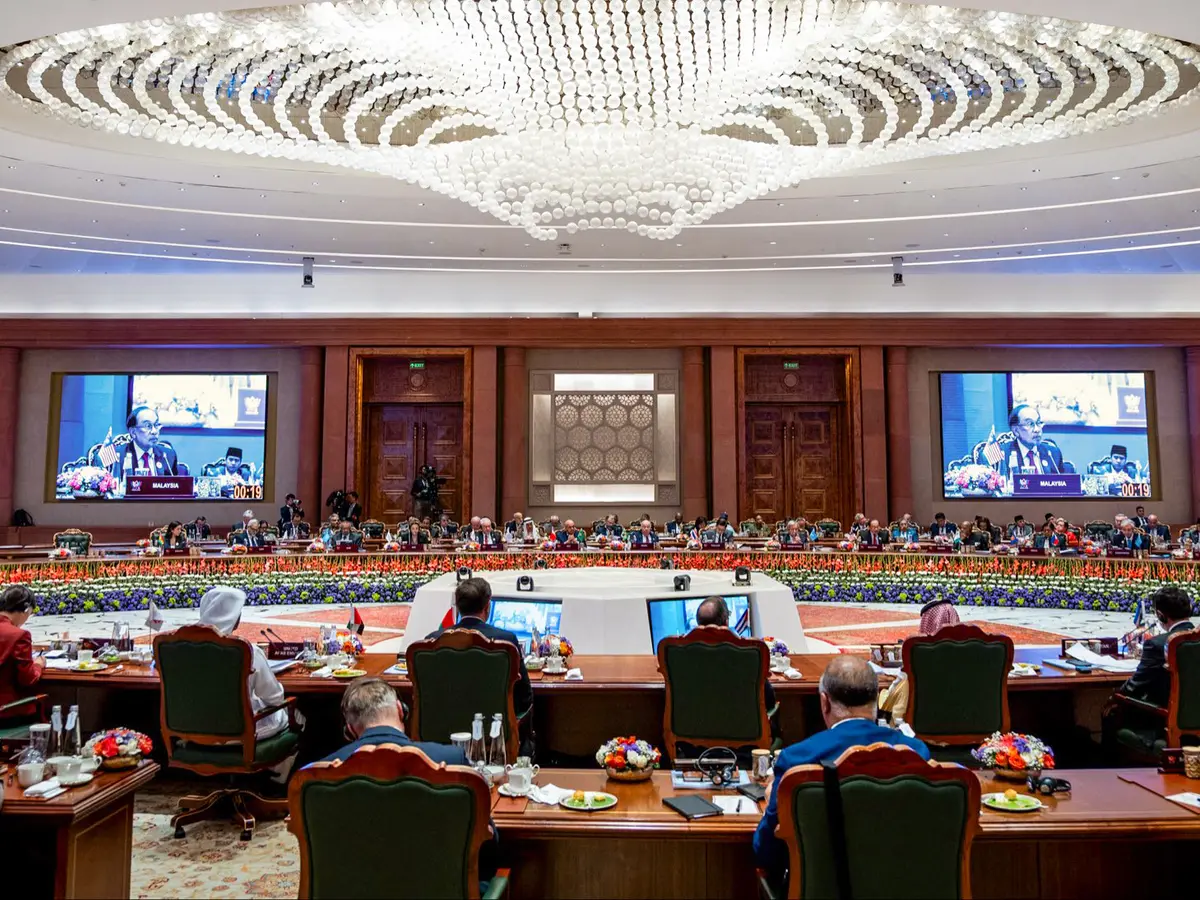
- The summit took place in New Delhi, India.
- When
- At the 18th BRICS Summit, described in the article as the 2026 summit; China’s presidency is scheduled to begin in January 2027.
- Why
- According to the analysis, China seeks greater influence over global rules, expanded use of local currencies, and protection from risks linked to a dollar-dominated financial system.
China’s Institutional Agenda
India’s Cautious Approach
BRICS priorities
China’s Institutional Agenda
China seeks to place its development, security, governance, digital, artificial-intelligence, and green-development initiatives at the center of BRICS cooperation.
India’s Cautious Approach
India is expected to assess proposals individually and decide what it is willing to endorse within a consensus-based grouping.
Currency and de-dollarisation
China’s Institutional Agenda
China favors expanding local-currency trade and reducing dependence on dollar-based financial systems, partly to limit exposure to sanctions and dollar-related costs.
India’s Cautious Approach
India does not seek to replace the dollar, although it supports measures such as central-bank-backed digital currencies and reducing exposure to global financial volatility.
China’s economic weight
China’s Institutional Agenda
China’s larger economy, trade relationships, and financial contributions give it major influence over BRICS institutions and priorities.
India’s Cautious Approach
India cannot match China financially on equal terms, so the article argues that it should increase its own commitments and strengthen the rupee and exports.
Key facts
- Chinese delegation
- Reportedly as large as 400 people, including Cai Qi and Wang Yi.
- China’s BRICS presidency
- Scheduled to begin in January 2027.
- Contingency Reserve Arrangement
- China contributed USD 41 billion of the USD 100 billion total corpus.
- Other CRA contributions
- India, Brazil, and Russia contributed USD 18 billion each; South Africa contributed USD 5 billion.
- New Development Bank
- The institution was pushed by China in 2014 and is based in Shanghai.
- China’s currency position
- Beijing supports more local-currency trade, particularly involving the renminbi.
- India’s currency position
- India says it has no policy of replacing the dollar and recognizes its reserve role in global stability.
Sources
Related news
India Balances BRICS Reform With China’s Greater BRICS Push
BRICS Faces Credibility Test Over De-dollarisation and China’s Influence

Xi Visits India for BRICS Summit and Modi Talks
China Takes BRICS Chair Amid Wars and Trade Disruptions

Xi Jinping Heads to New Delhi for Modi Talks

BRICS Summit Signals India-China Reset Ahead of Xi-Modi Meeting

Xi Modi Meeting Signals Cautious Thaw Ahead of BRICS Summit
Xi Heads to India as Modi Bilateral Talks Take Shape
