2 hrs ago
Why Women’s Wellness Requires Care From Periods Through Menopause
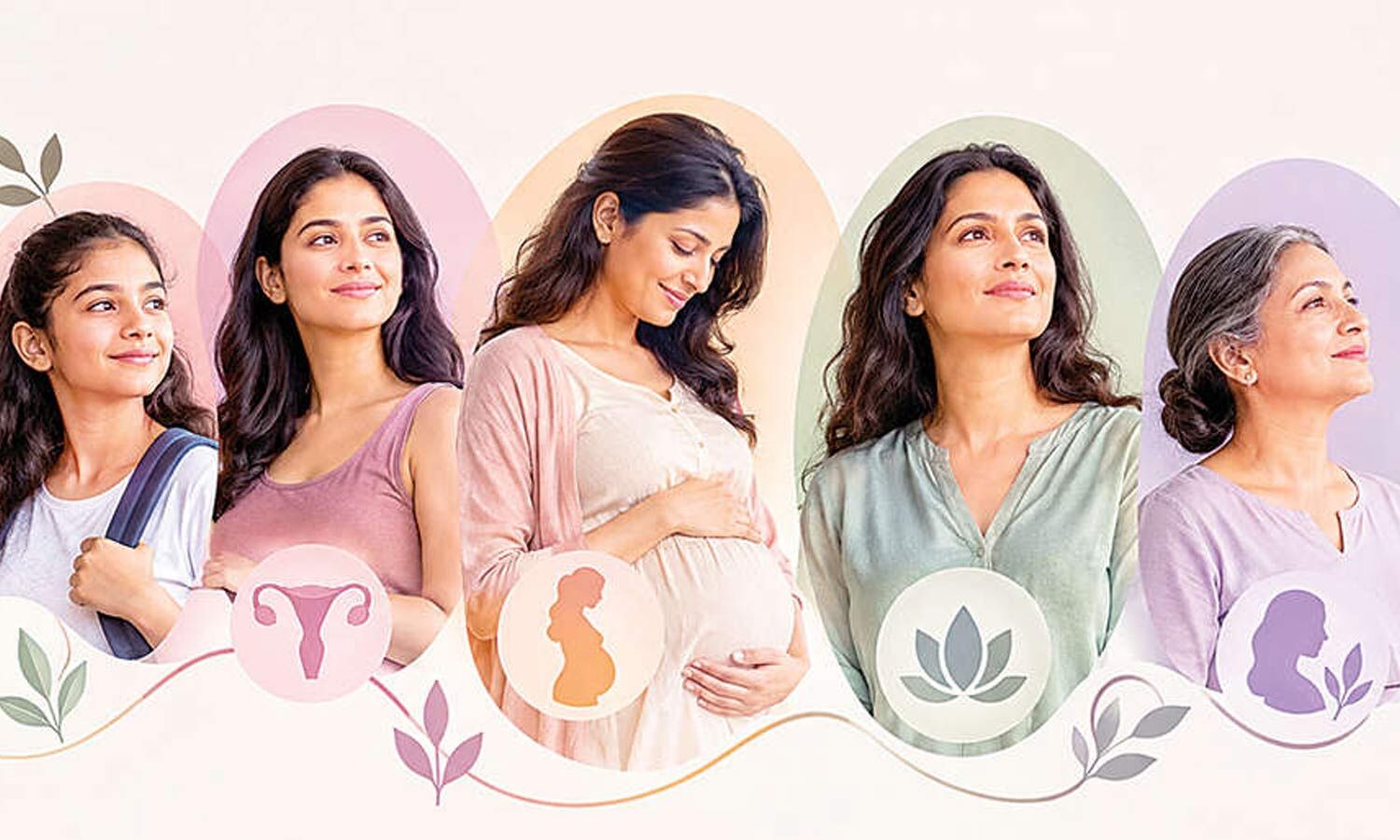
A woman’s health needs change as she grows older.
The first period is an important time to learn about the body and menstrual health.
Young people should get help if pain or heavy bleeding disrupts daily life.
During adulthood, periods, fertility, pregnancy, sleep, exercise and feelings can affect one another.
Pregnancy brings major changes and requires care from qualified health professionals.
Before menopause, periods and other body functions may begin changing gradually.
Menopause is a normal life transition, but difficult symptoms should receive attention.
The main idea is to keep learning about health and adjust care at every stage of life.

Women’s health needs change continuously from the first period through menopause, rather than occurring as isolated milestones.
Adolescents benefit from education about menstrual cycles, nutrition, hygiene, activity and emotional wellbeing.
During reproductive years, menstrual health, fertility, contraception, pregnancy planning and mental wellbeing can be interconnected.
Pregnancy requires individualized attention to prenatal care, nutrition, safe activity, rest and emotional health.
Perimenopause and menopause can affect periods, sleep, temperature regulation, mood, energy, bones and cardiovascular health.
- Who
- Women and girls across different stages of life, along with the families, schools, workplaces, wellness platforms and healthcare providers supporting them.
- What
- An argument for treating women’s wellness as a continuous, lifelong process rather than a series of separate health milestones.
- Where
- No specific location is identified; the discussion applies across healthcare, education, workplaces, families and wellness settings.
- When
- From the first period through reproductive years, pregnancy, perimenopause and menopause.
- Why
- Women’s physical, hormonal and emotional needs change over time, so preventive information and individualized care should evolve with them.
Key facts
- Life stages covered
- Adolescence, reproductive years, pregnancy, perimenopause and menopause
- Adolescent priorities
- Menstrual education, nutrition, hygiene, physical activity and emotional wellbeing
- Warning signs
- Persistent pain, unusually heavy bleeding or symptoms that significantly disrupt daily activities should not be dismissed
- Reproductive health
- Fertility, contraception, pregnancy planning, nutrition, exercise, sleep and mental wellbeing may be interconnected
- Pregnancy care
- Prenatal healthcare, appropriate nutrition, safe activity, rest and mental wellbeing are emphasized
- Menopause considerations
- Physical activity, strength and weight-bearing exercise, nutrition, sleep, cardiovascular health, bone health and emotional wellbeing
- Overall approach
- Preventive conversations and wellness strategies should be personalized and updated throughout life
Sources
Related news

Women’s Hormonal and Metabolic Health Changes Across Aging

Chennai Summit to Explore Women’s Health and Longevity

Tara Sutaria Highlights Support During Menarche And Puberty

Menstrual Changes May Signal Hidden Health Problems, Doctor Says
Physiotherapy Can Support Women Through Pregnancy and Recovery