

3 hrs ago
OpenAI Launches GPT-6 Astra Legal Tools for Law Firms

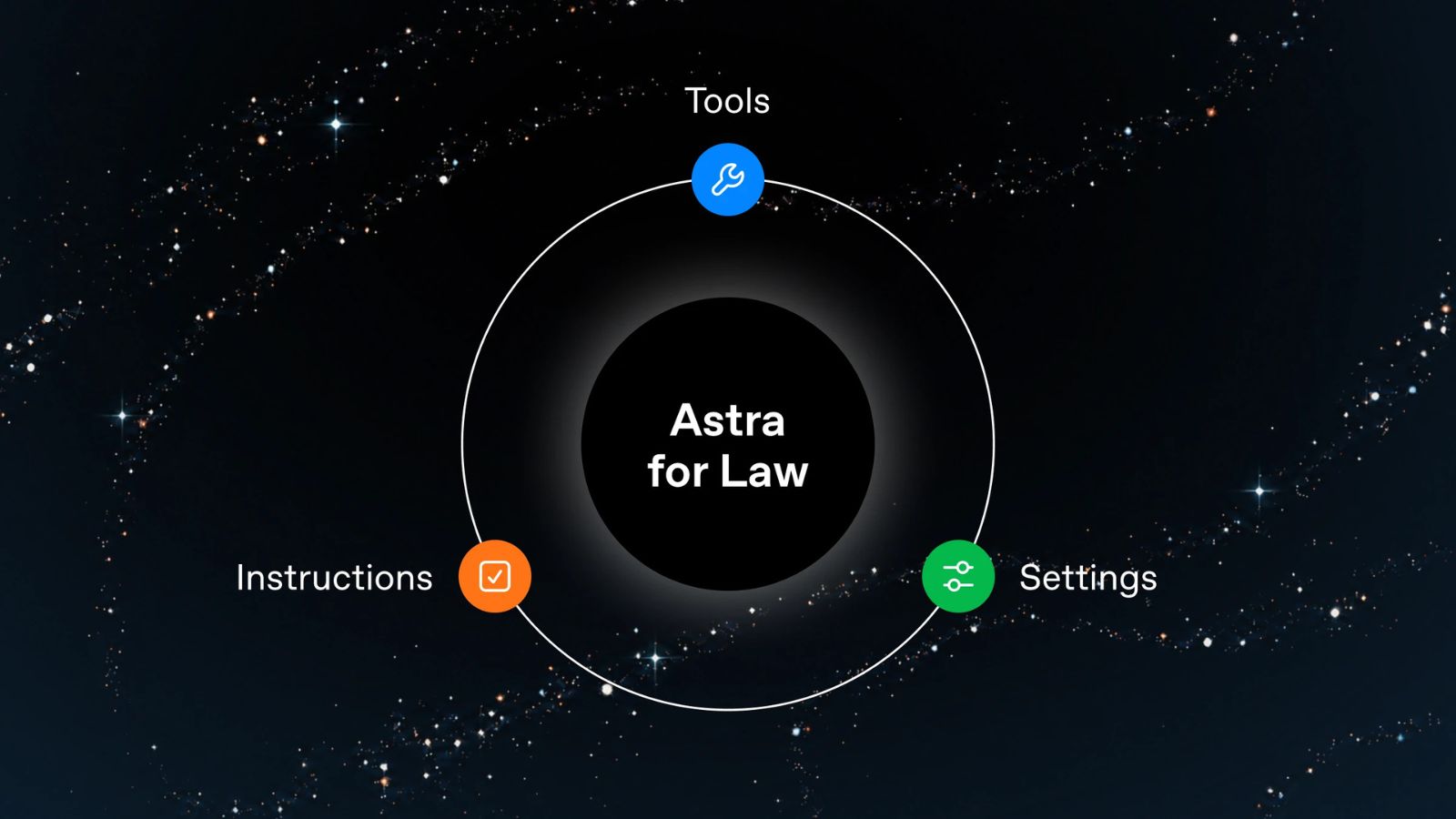
OpenAI made a new AI tool called Astra for Law for people who work in law.
It is based on OpenAI’s GPT-6 Astra model.
Lawyers can use it to research rules, examine documents, write drafts and review deals.
It also uses a collection of legal materials from the United States.
OpenAI says the tool is meant to support lawyers rather than replace their professional judgment.
The company says it includes protections for confidential client information.
A small group of law firms will receive access first through ChatGPT and Codex.
Other technology companies, including Google, Anthropic and Thomson Reuters, are also developing AI tools for the legal industry.

OpenAI introduced Astra for Law, a legal-industry version of its GPT-6 Astra model, on Thursday, September 17.
The system is designed for legal research, document analysis, drafting, deal review and custom application development.
It combines the Astra model with an index of United States case law, statutes, regulations and other legal materials.
Initial access will be provided to selected law firms through Trusted Access in ChatGPT and Codex, with protections for confidential client work.
The launch comes as Google, Anthropic and Thomson Reuters expand competing AI products and tools for legal professionals.
- Who
- OpenAI, law firms, legal software providers and legal professionals.
- What
- OpenAI launched Astra for Law, a legal-industry version of GPT-6 Astra with legal research, drafting and document-analysis tools.
- Where
- The product will initially be accessed through Trusted Access in ChatGPT and Codex, using United States legal materials.
- When
- Thursday, September 17; the articles do not specify a year.
- Why
- OpenAI says it aims to support legal work and workflows as AI companies compete for business in the legal market.
AI as Legal Support
Professional Oversight and Risks
Role in legal work
AI as Legal Support
OpenAI presents Astra for Law as a tool that works with a firm’s expertise, methods and workflows to assist with research, drafting, analysis and deal review.
Professional Oversight and Risks
The product is not presented as a replacement for lawyers; legal professionals are expected to retain independent judgment and responsibility.
Confidentiality and data protection
AI as Legal Support
OpenAI says its legal products are designed around lawyers’ confidentiality obligations and include protections for confidential client work.
Professional Oversight and Risks
Because lawyers handle sensitive client information, the offering emphasizes controls such as zero API retention and an eyes-off human-review posture for ChatGPT Enterprise.
Competition in legal technology
AI as Legal Support
The launch gives law firms and legal software providers another platform for building specialized legal applications.
Professional Oversight and Risks
Google, Anthropic and Thomson Reuters are also offering competing systems, creating uncertainty about which approach will become most useful for professional legal work.
Key facts
- Product
- Astra for Law, based on GPT-6 Astra
- Primary uses
- Research, document analysis, drafting, deal review and custom legal applications
- Legal content
- An index of United States case law, statutes, regulations and other legal materials
- Initial availability
- Selected law firms through Trusted Access in ChatGPT and Codex
- Data protections
- OpenAI says the product includes protections for confidential client work; its legal API offering has zero retention
- Potential partners
- Legal technology companies including Harvey and Legora, with integrations involving Relativity, Clio, Intapp and Thomson Reuters
- Industry context
- Google, Anthropic and Thomson Reuters have also introduced or expanded legal AI offerings
Sources
Related news
Google expands Gemini Enterprise with AI tools for law firms

OpenAI launches GPT-6 Astra for autonomous computer tasks

OpenAI Launches GPT-6 Astra, Claims Edge Over Claude

OpenAI Rolls Out GPT-6 Astra With Cybersecurity Guardrails

OpenAI Launches GPT-6 Astra as ‘World’s Most Intelligent’ Model

Nvidia CEO Says OpenAI GPT-6 Astra Has Reached AGI

Seven Krishna Temples Showcase Devotion Around the World

Tammy Sandhu Becomes First Ethnic Minority Woman Vatican Ambassador

Police Seek Forfeiture of Cash Linked to Majid Freeman
