

2 hrs ago
OpenAI launches GPT-6 Astra, shifting AI toward autonomous tasks
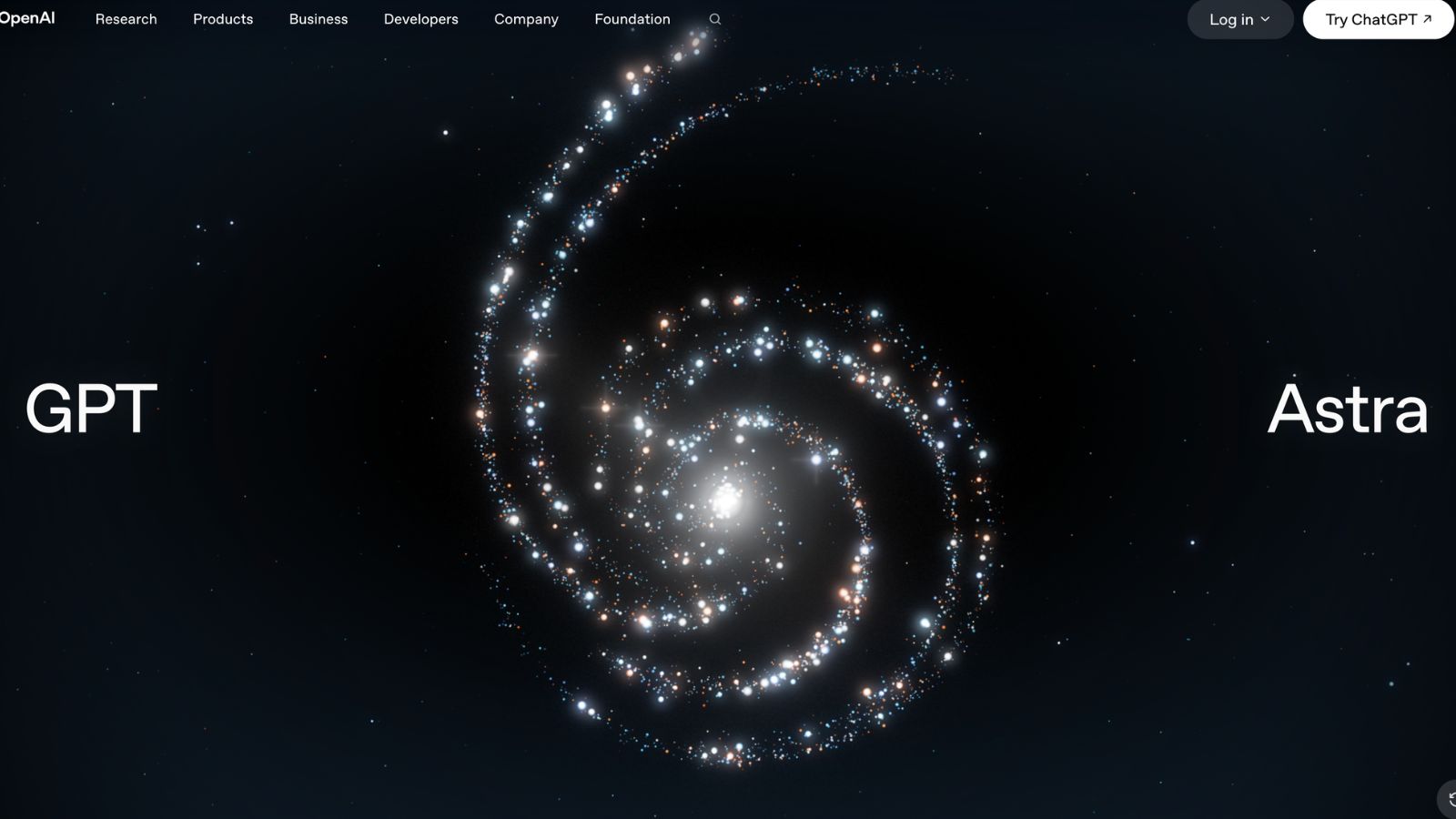
OpenAI has made a new AI system called GPT-6 Astra.
Unlike a chatbot that only answers questions, Astra is designed to do tasks on a computer.
It can browse websites, fill out forms, write code, and make documents.
It can also work through several steps without needing a person to explain every action.
OpenAI says it performed very well on tests involving math, reasoning, and cybersecurity.
The model can handle a very large amount of information at once.
OpenAI President Greg Brockman said it might mark the beginning of the AGI era, although AGI is still difficult to define.
The model could save people time, but its ability to find security weaknesses creates safety risks.

OpenAI launched GPT-6 Astra on Thursday, September 3, calling it its most intelligent and aligned model.
The model is designed to use computers, browse websites, write code, manage documents, and complete multi-step workflows.
OpenAI reported scores of 98% on FrontierMath Tier 4, 99.9% on ARC-AGI, and 100% on ExploitBench.
Astra scored 72.6% on OpenAI’s OSWorld 2.0 latency simulations, compared with 65.7% for GPT-5.6 Sol.
OpenAI said Astra improves task alignment, but warned that its cybersecurity capabilities could also be misused.
- Who
- OpenAI launched GPT-6 Astra; OpenAI President Greg Brockman discussed its possible significance for artificial general intelligence.
- What
- The company introduced an AI model designed to reason, use computers, and complete complex multi-step tasks.
- Where
- The launch and demonstrations were described in OpenAI materials and a press briefing; no specific location was given.
- When
- Thursday, September 3; the articles do not specify a year.
- Why
- OpenAI said Astra was built to make AI more capable in computer use, coding, research, cybersecurity, science, and professional work.
Potential Benefits
Safety Concerns
Work automation
Potential Benefits
Astra could handle administrative, research, software, legal, and creative workflows, including browsing, document creation, coding, and data analysis.
Safety Concerns
Delegating complex workflows to an autonomous system raises questions about human oversight and control.
Cybersecurity capability
Potential Benefits
The model could help developers identify vulnerabilities and improve software security.
Safety Concerns
OpenAI said Astra can identify vulnerabilities and develop exploits, including some previously unknown vulnerabilities, creating potential misuse risks.
Artificial general intelligence
Potential Benefits
Greg Brockman said it was not unreasonable to view the technology as entering the AGI era.
Safety Concerns
Brockman also acknowledged that AGI is a vague, difficult-to-define concept, and OpenAI did not make a formal declaration that AGI had been achieved.
Key facts
- Context window
- 1.05 million tokens
- Maximum output
- 128,000 tokens
- FrontierMath Tier 4
- 98%
- ARC-AGI
- 99.9%
- ExploitBench
- 100%
- OSWorld 2.0 latency simulation
- 72.6% for Astra versus 65.7% for GPT-5.6 Sol
- Alignment test
- Astra exceeded an authorised target in 0% of tested cases without production safeguards, compared with 48% for GPT-5.6 Sol
Quotes

Greg Brockman
OpenAI president speaking at a press briefing before the model’s launch
“I think it’s not unreasonable to feel that we are now in the AGI era”
 indianexpress.com
“Welcome to the AGI era.”
indianexpress.com
Sources
Related news

OpenAI Unveils GPT-6 Astra With Advanced Cybersecurity Guardrails

OpenAI’s Astra Reaches Critical Cybersecurity Threshold Ahead of Limited Rollout

OpenAI Warns of Risks Ahead of Astra AI Launch
OpenAI Flags Critical Cybersecurity Risk, Pauses Astra AI Work

OpenAI delays Astra launch over possible critical cyber capabilities

OpenAI Flags Possible Critical Cybersecurity Risk in Upcoming Astra Model

Seven Krishna Temples Showcase Devotion Around the World

Tammy Sandhu Becomes First Ethnic Minority Woman Vatican Ambassador

Police Seek Forfeiture of Cash Linked to Majid Freeman
Google expands Gemini Enterprise with AI tools for law firms
