10 months ago
Dick Cheney's Post-9/11 Legacy: Expanded Spy Powers and Enduring Debate
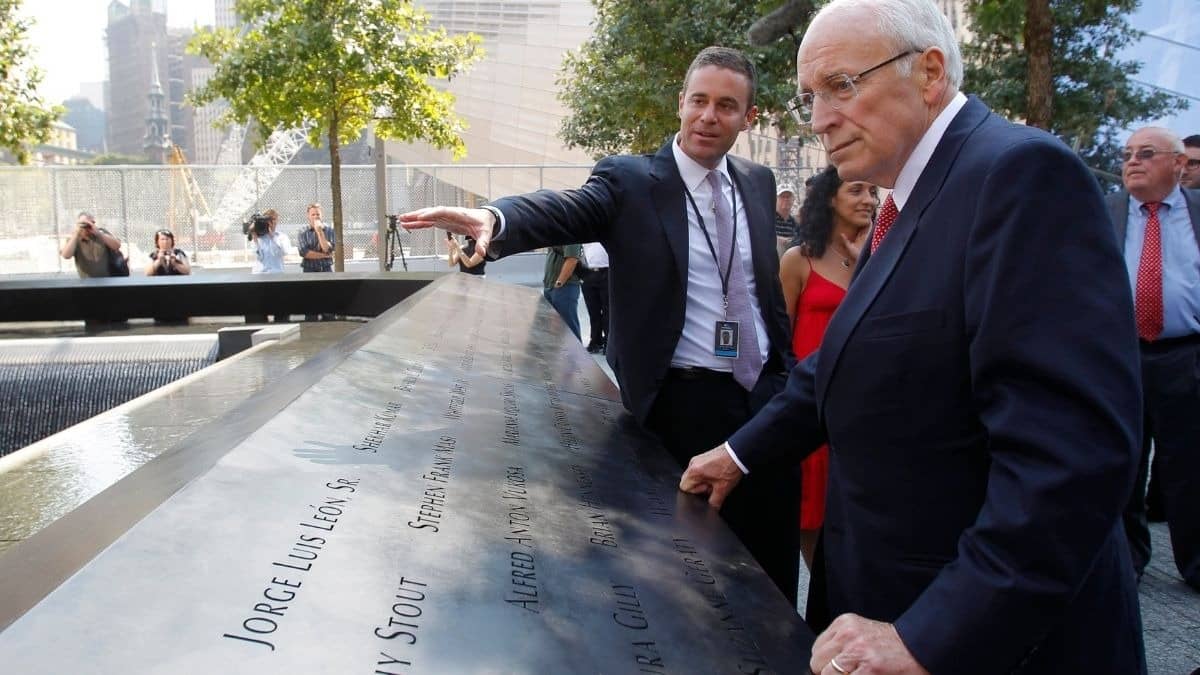
After the 9/11 attacks, America's Vice President, Dick Cheney, strongly supported giving the government more power to spy on people and gather information.
He believed this was necessary to keep the country safe from terrorists.
This led to new laws like the Patriot Act and programs that allowed the government to listen to phone calls and collect data without a warrant.
Some people agreed this was needed for security, while others worried it went too far and hurt people's privacy and rights.
Courts have questioned some of these powers, and even politicians who once supported them now have doubts.
The debate continues today about how much power the government should have to spy and whether that power is used fairly.

Dick Cheney was a leading proponent of expanded US surveillance and intelligence powers after 9/11.
He strongly backed the Patriot Act and a warrantless NSA wiretapping program.
Cheney also pushed for the use of intelligence to justify military actions, such as the invasion of Iraq.
Debates persist over the legality of government surveillance and the use of intelligence for political purposes.
Expanded executive and military powers established during his tenure have echoes in contemporary security and foreign policy debates.
- Who
- Former US Vice President Dick Cheney and the George W. Bush administration
- What
- Cheney championed expanded surveillance powers and executive authority in the name of national security following the 9/11 attacks, sparking a lasting debate over government spying and intelligence collection.
- Where
- United States
- When
- In the years following the September 11, 2001 attacks.
- Why
- To enhance national security and prevent future terrorist attacks by granting broader powers to intelligence and law enforcement agencies.
Skeptics of Expanded Surveillance
Proponents of Broad Executive Power
Legality and Oversight of Surveillance Programs
Skeptics of Expanded Surveillance
Courts have questioned the legal justification of the government's surveillance apparatus, and some congressional provisions of the Patriot Act have expired due to concerns.
Proponents of Broad Executive Power
The broad surveillance powers, including warrantless wiretapping and national security letters, were necessary to prevent terrorist attacks, as argued by Cheney who believed such measures could have prevented 9/11.
Use of Intelligence for Political Justification
Skeptics of Expanded Surveillance
The Bush administration, including Cheney, used faulty intelligence to justify the invasion of Iraq, leading to distrust and demonstrating the dangers of using intelligence for political ends.
Proponents of Broad Executive Power
Cheney advocated for strong executive action and robust intelligence gathering as essential for national security, especially in the aftermath of a devastating attack like 9/11.
Division of Authority in Counterterrorism Efforts
Skeptics of Expanded Surveillance
The FBI opposes proposals to shift lead counterintelligence roles to an office under the Director of National Intelligence, arguing it would hinder effective operations and national security.
Proponents of Broad Executive Power
The establishment of new agencies and the blurring of lines between civilian and military responses to threats were necessary adaptations to a changed security landscape after 9/11.
Key facts
- Key Figure
- Dick Cheney, former US Vice President
- Key Legislation
- Patriot Act
- Key Program
- NSA warrantless wiretapping program
- Key Debates
- Detention, interrogation, spying, executive power, use of intelligence
- Enduring Tools
- National security letters, Section 702 of the Foreign Intelligence Surveillance Act
- Post-9/11 Agencies Established
- Department of Homeland Security, Office of the Director of National Intelligence (ODNI)
Quotes

Stephen Vladeck
a Georgetown University law professor
“I think for someone like Vice President Cheney, expanding those authorities wasn't an incidental objective — it was a core objective. And I think the Republican Party today does not view those kinds of issues — counterterrorism policy, government surveillance authorities — as anywhere near the kind of political issues that the Bush administration did.”
 republicworld.com
“I do think the security state that we have today is very much a product of our reactions to Sept. 11, and obviously Vice President Cheney was right smack-dab in the middle of how that reaction was operationalised from the White House.”
republicworld.com

Dick Cheney
Former US Vice President
“to pick up on two of the hijackers who flew a jet into the Pentagon.”
republicworld.com

Tulsi Gabbard
the director of the Office of National Intelligence
“For decades, our foreign policy has been trapped in a counterproductive and endless cycle of regime change or nation building.”
republicworld.com
Sen. Ed Markey
D-Mass.
“It was a mistake to rely upon the Bush administration for telling the truth.”
republicworld.com

Pete Hegseth
Defense Secretary
“These narco-terrorists have killed more Americans than Al-Qaeda, and they will be treated the same. We will track them, we will network them, and then, we will hunt and kill them.”
republicworld.com
Jim Ludes
a former national security analyst who directs the Pell Center for International Relations and Public Policy at Salve Regina University
“You think about his legacy and some of it is very troubling. Some of it is maybe what the moment demanded. But it’s a complicated legacy.”
republicworld.com

the FBI
Federal Bureau of Investigation
“The cumulative effect... would be putting decision-making with employees who aren’t actively involved in CI operations, knowledgeable of the intricacies of CI threats, or positioned to develop coherent and tailored mitigation strategies.”
republicworld.com
Sources
Related news
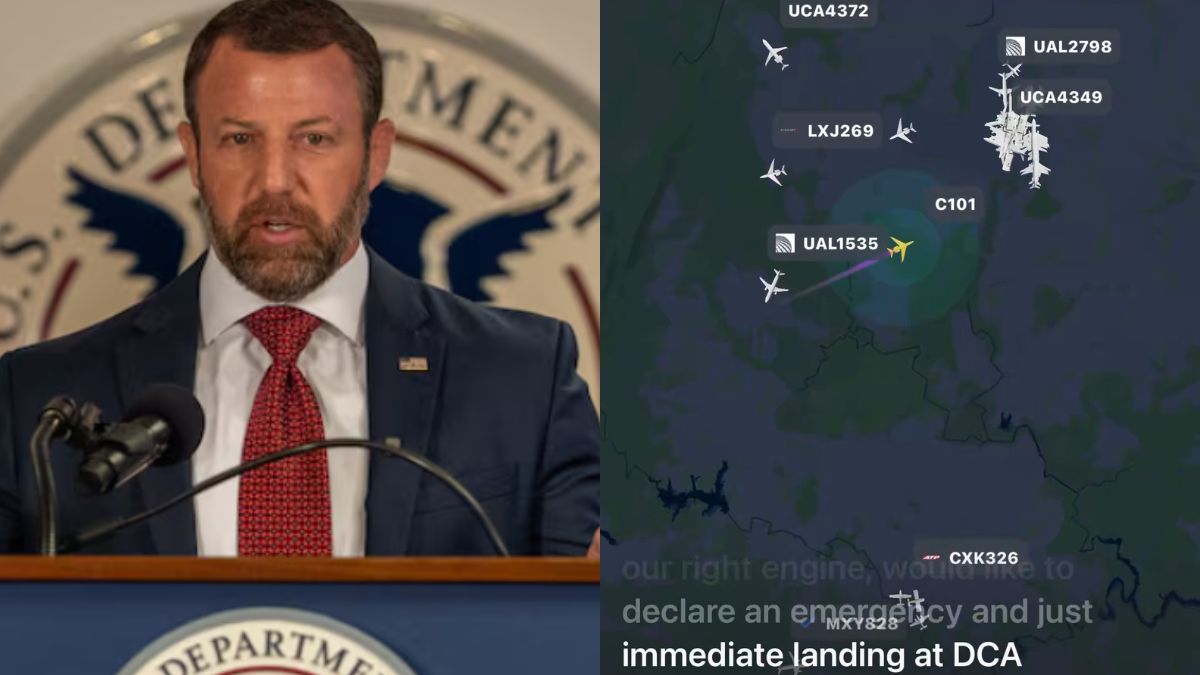
DHS Secretary’s Jet Loses Engine, Makes Safe Emergency Landing

New York Factory Immigration Raid Faces Scrutiny One Year Later

Proposed H-1B Grace-Period End Raises Indian Worker Concerns

H-1B Grace Period Could End After US Layoffs
US Considers Ending H-4 Spouse Work Permits, Indians Hit Hardest