2 days ago
Netanyahu Faces Tight Race as Israel Heads to Elections
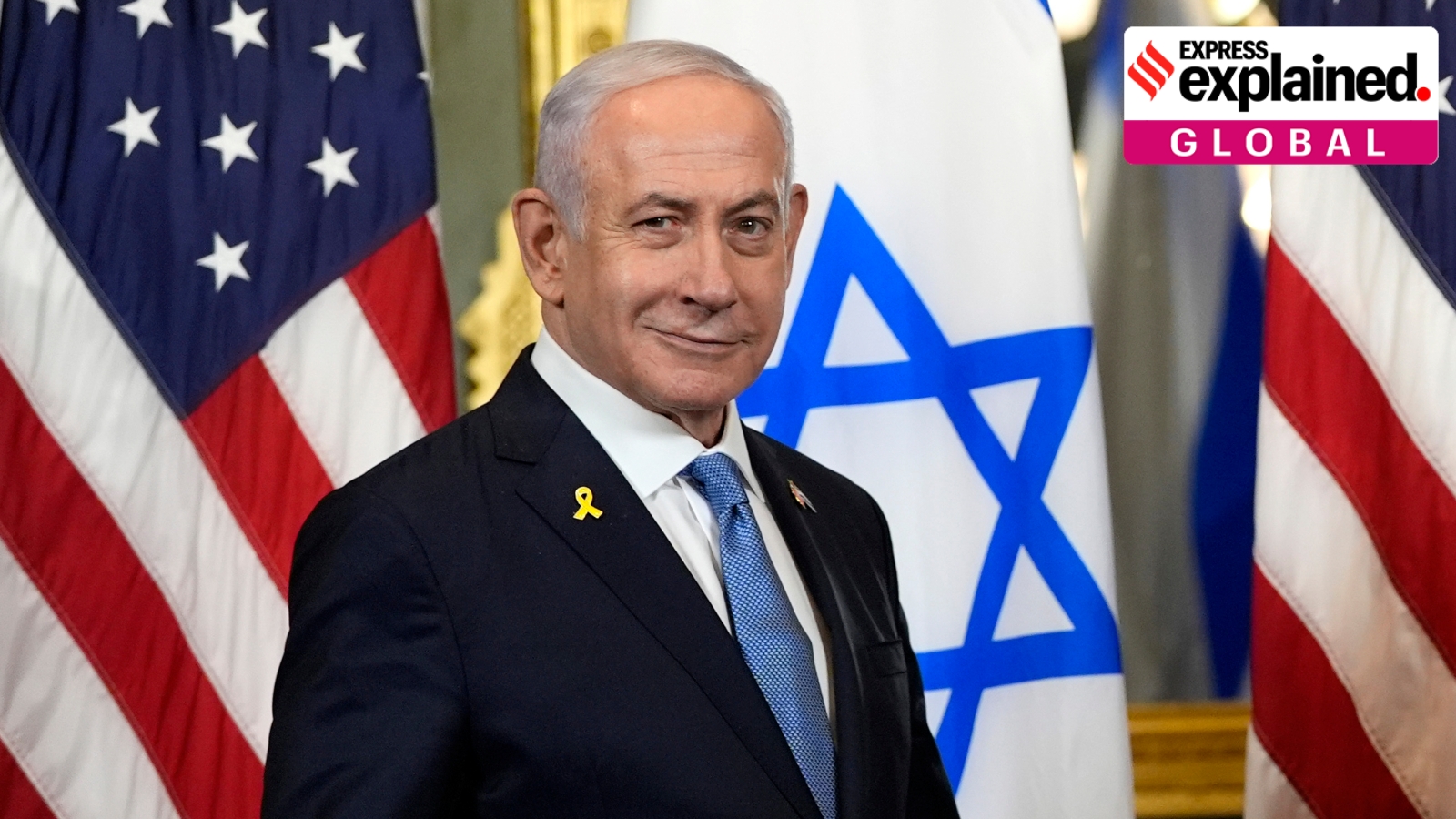
Israel will hold an election for its national parliament on October 27.
It is the first election since the Hamas attack on October 7, 2023.
Professor Tamar Hermann says many voters are most concerned about security and relations with other countries.
The cost of living and the economy matter too.
Polls suggest Prime Minister Benjamin Netanyahu may struggle to lead a bloc with enough seats for a majority.
Opposition parties have not agreed on how to work together, especially on whether to partner with Arab parties.
People also disagree about military service rules for ultra-Orthodox men and how the government should handle violence in the West Bank.
The election could lead to a new government, a caretaker government and another election, or a government without a clear majority.

Israel is scheduled to elect its 120-member Knesset on October 27, in the first national election since the October 7, 2023 Hamas attack.
Professor Tamar Hermann says security and foreign relations top voters’ concerns, with the economy and cost of living also important.
Hermann says polls make a 61-seat majority for Netanyahu’s bloc difficult, though she describes him as skilled at keeping allies together.
Opposition leaders have not formed a united electoral bloc; Hermann says they share support for drafting Haredi men but differ over cooperation with Arab parties.
The interview also addresses West Bank settler violence, judicial reform, Arab voter participation and possible outcomes if neither bloc wins a majority.
- Who
- Israeli voters, political parties and Prime Minister Benjamin Netanyahu; the interview features Professor Tamar Hermann.
- What
- Israel is holding elections for its 120-member Knesset.
- Where
- Israel.
- When
- October 27; the article does not specify the year.
- Why
- The elections will determine the next government and take place amid debate over security, the wars, the economy, military-service rules and other issues.
Positions and disagreements described in the interview
Alternative positions and assessments
West Bank settler violence
Positions and disagreements described in the interview
Hermann says the current government and its allies are soft on violent settlers.
Alternative positions and assessments
She says that if the government changes, she expects security forces to take a tougher approach.
Arab-party cooperation
Positions and disagreements described in the interview
Some opposition figures argue for including Arab parties in a joint electoral effort; Ra’am’s stated position is to participate pragmatically in Israel’s political process.
Alternative positions and assessments
Other opposition figures oppose partnering with Arab parties, and some Arab citizens take a purist view that participation has little impact.
Judicial reform
Positions and disagreements described in the interview
Justice Minister Yariv Levin has sought to resume reform efforts, and many people accept that the judicial system should be reformed.
Alternative positions and assessments
Hermann says many respondents consider the timing wrong as elections approach, while judicial independence and civil rights are not currently major campaign issues.
Key facts
- Election date
- October 27; no year is specified in the article.
- Legislature
- The Knesset has 120 members.
- Majority threshold
- A bloc needs 61 seats for a majority.
- Top voter concerns
- Security and foreign relations, followed closely by the economy and cost of living.
- Arab voter participation
- Hermann estimates participation may be between 52% and 55%, compared with a possible estimate of 30% a year earlier.
- Possible outcomes
- Hermann outlines a Netanyahu-led majority, a Change Bloc majority, a caretaker government followed by reelections, or a Change Bloc minority government potentially joined by a Haredi party.
- Interviewee
- Professor Tamar Hermann is a senior research fellow at the Israel Democracy Institute and academic director of its Viterbi Family Center for Public Opinion and Policy Research.
Quotes
Yair Lapid and opposition leaders
Opposition leaders who issued a document on cooperation.
“This country is a Jewish country; willing or not, we should make the best out of participating in the political process.”
 indianexpress.com
“We commit ourselves not to cannibalise each other.”
indianexpress.com
Sources
Related news
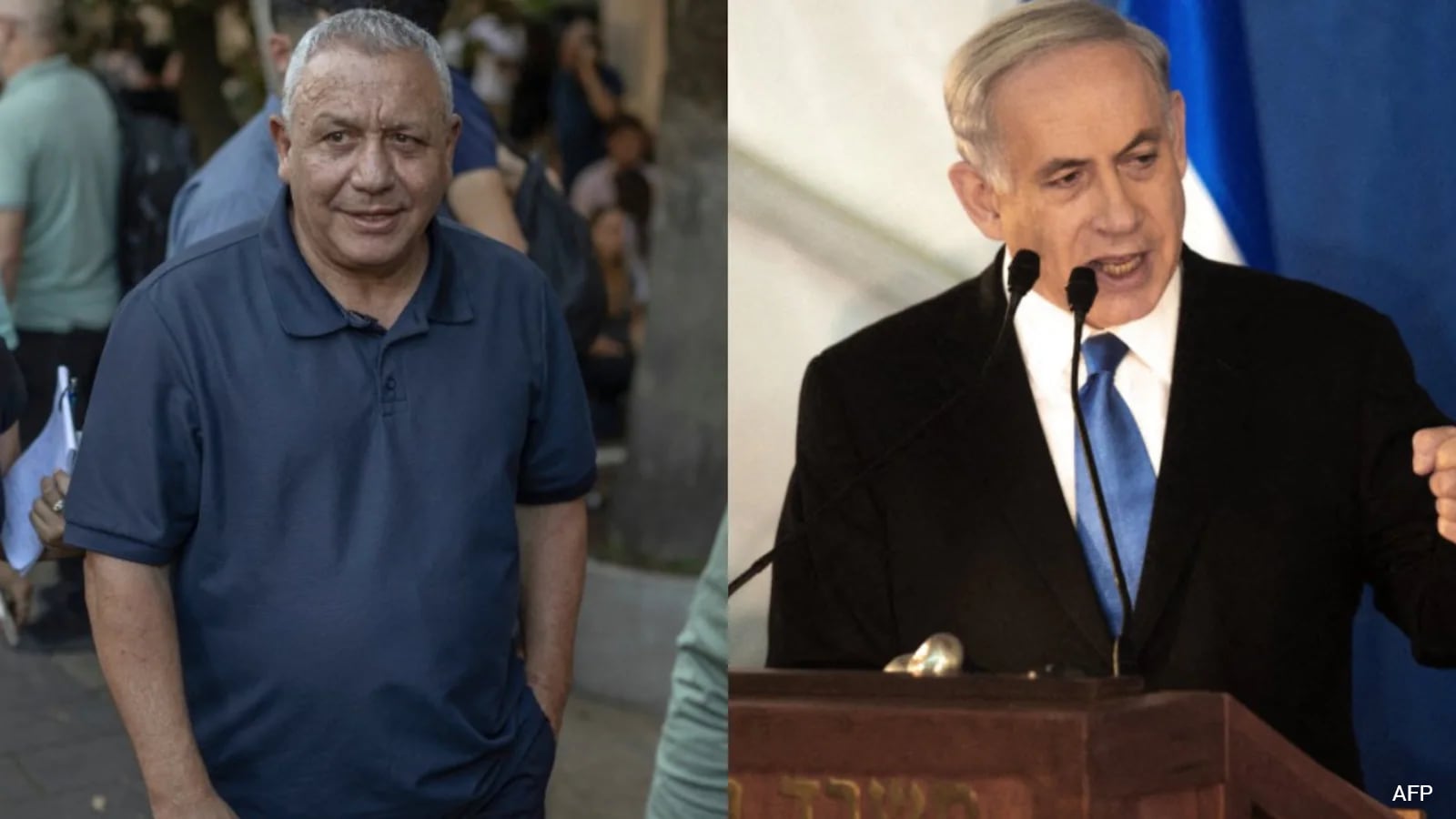
Eisenkot Challenges Netanyahu, Citing Political Survival Over Israel's Security
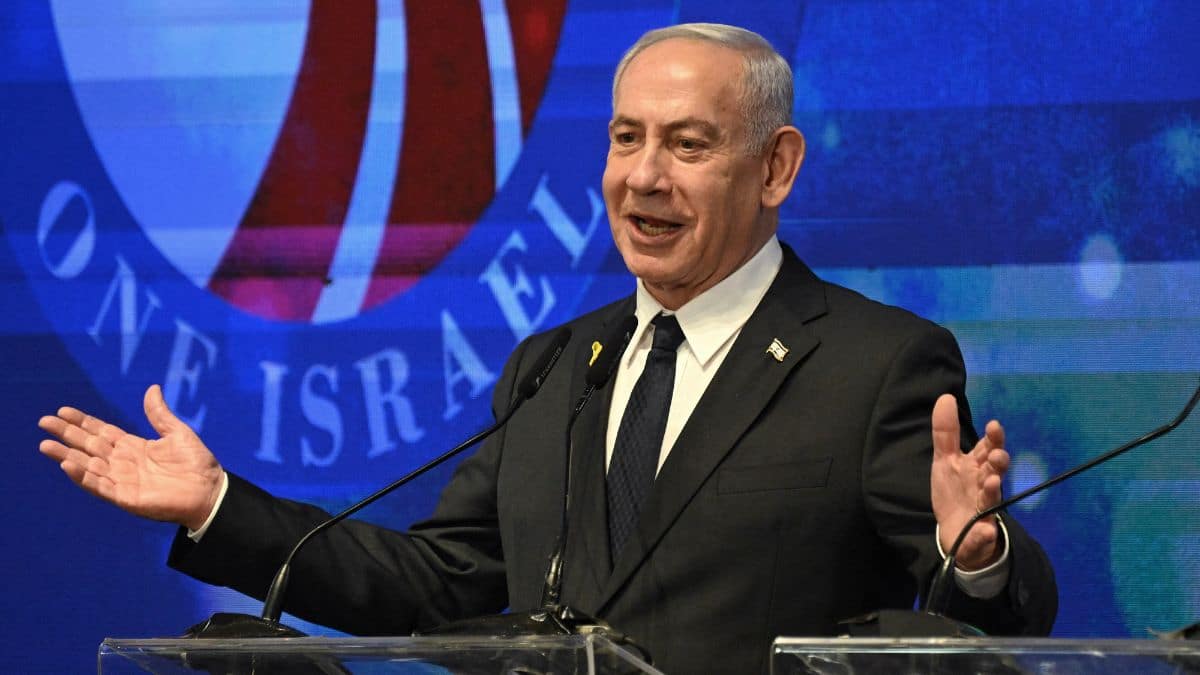
Netanyahu Uses Old Security Playbook Amid October 7 Shadow
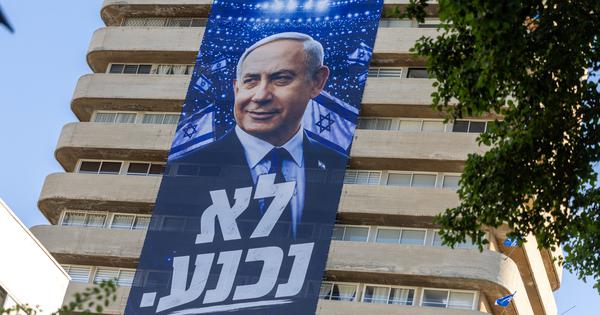
Netanyahu Uses Flydubai Incident to Shape Israel’s Election Campaign
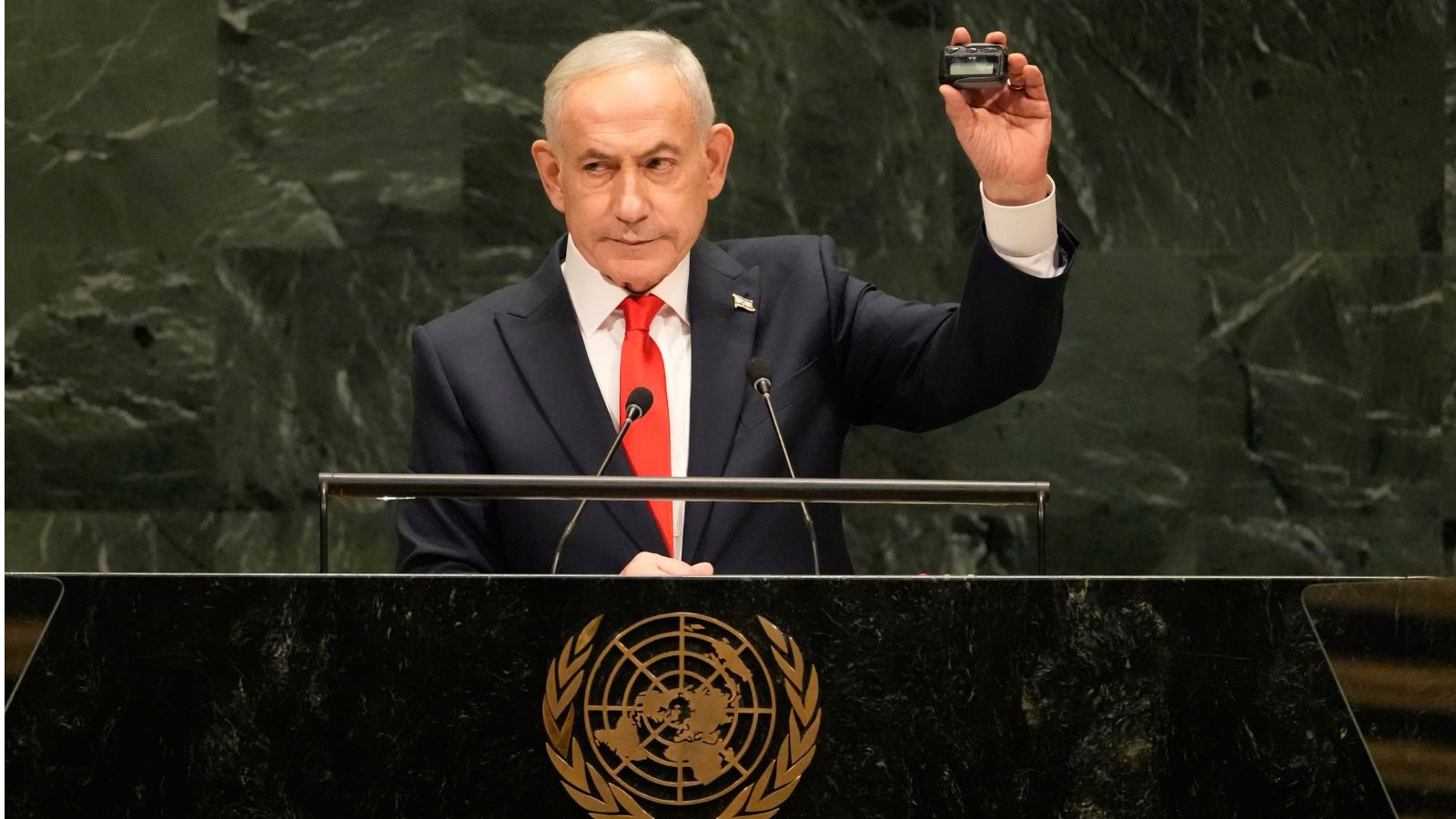
Netanyahu Defends Israel’s Wars During Heated UN Speech

Netanyahu’s UN Speech Targets Mamdani Amid Election Pressure

Flydubai Attack Puts Israel Security Warnings Under Election Scrutiny
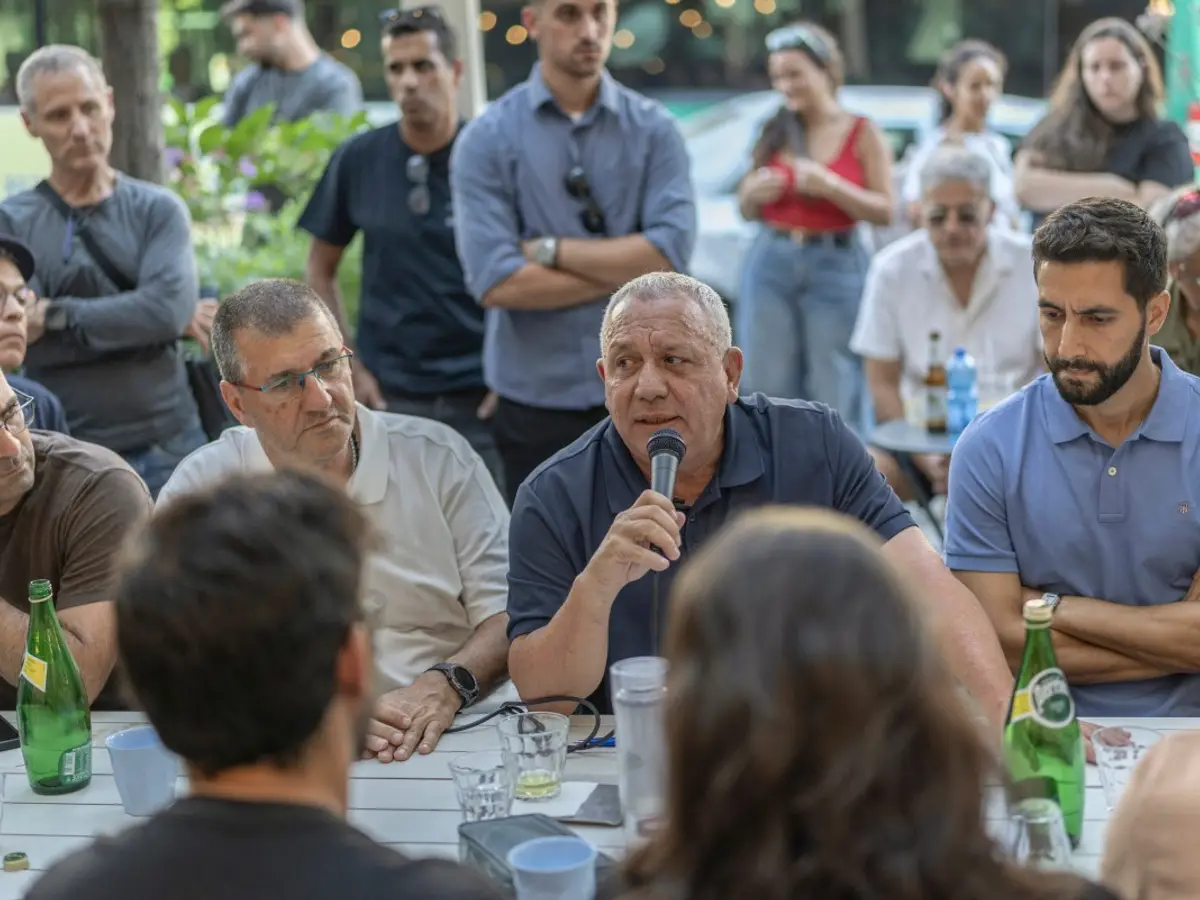
Gadi Eisenkot’s Yashar Leads Likud in Latest Israel Poll
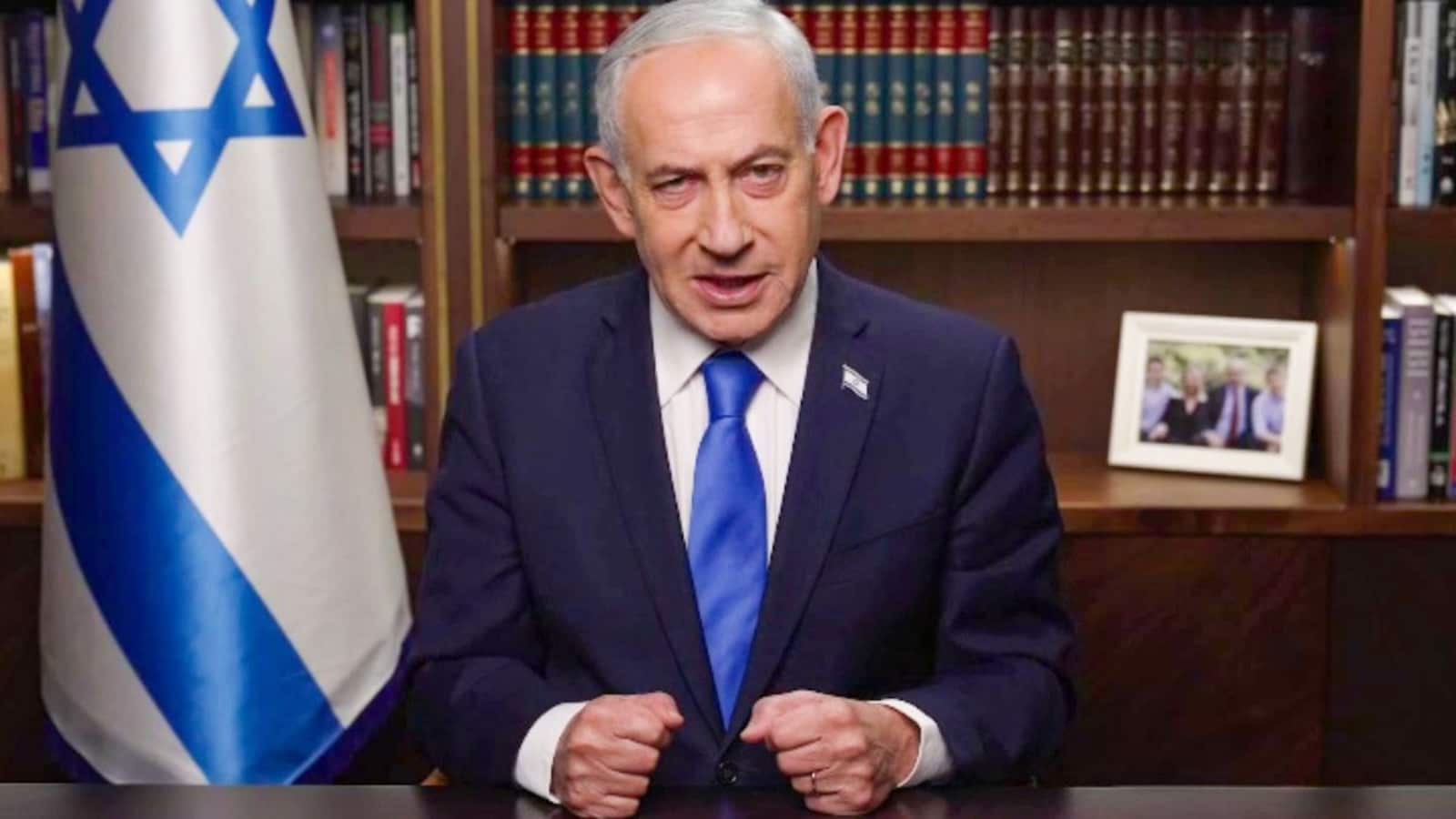
Israel's Complex Elections: Netanyahu Faces Tough Challenge

Xbox Game Pass: Exciting Lineup in 2025