3 weeks ago
NRI vs OCI: citizenship rights, vote, tax, property explained
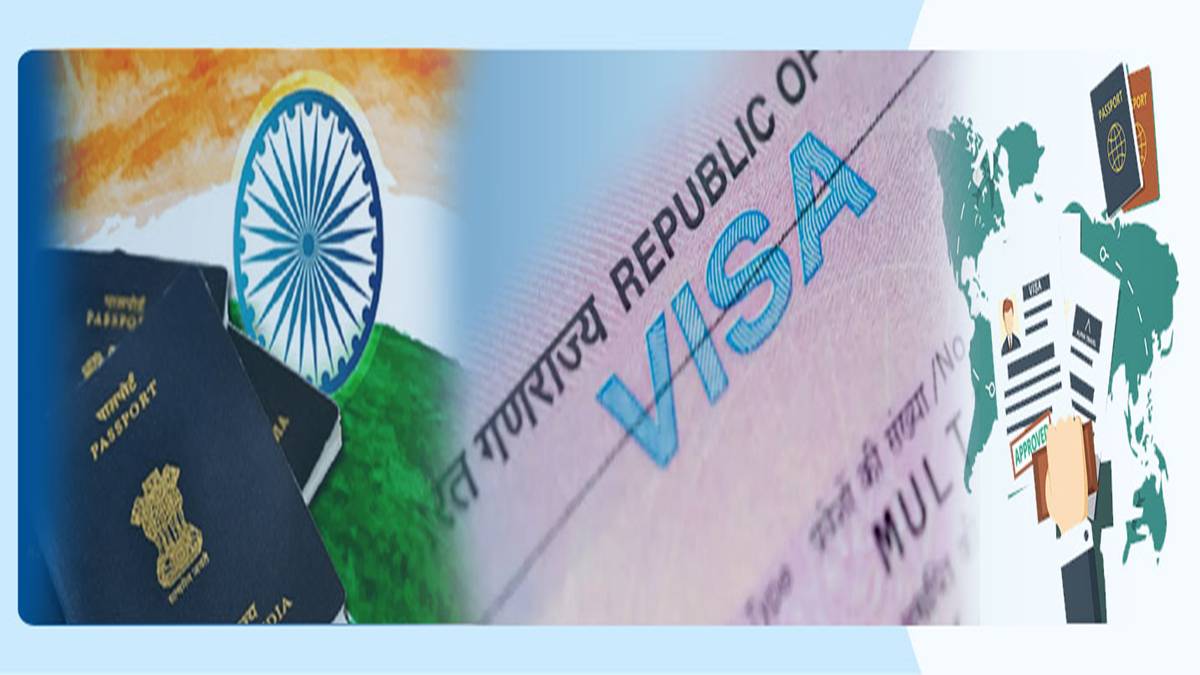
There are two different ways Indians living abroad are described.
An NRI is still an Indian citizen who just lives in another country, like a person who moves away but keeps their home country membership.
An OCI cardholder is a foreign citizen with Indian roots, so they have an Indian background but hold a foreign passport.
The name says 'citizen,' but they are not actually Indian citizens.
Because of this, NRIs can vote in Indian elections, but OCI cardholders cannot vote or hold government jobs.
Both groups can visit India easily, invest in shares, keep certain bank accounts, and buy homes.
However, neither can buy farmland or agricultural property.
They also pay taxes differently, with NRIs taxed only on Indian income and OCIs taxed on income made while staying in India.
People should check official government rules, since these rules can change.

An NRI is an Indian citizen living outside India for work, business, education or other reasons, spending fewer than 182 days in India during a financial year.
An OCI cardholder is a foreign national of Indian origin registered under Section 7A of the Citizenship Act, 1955, holding a foreign passport.
NRIs can vote in Indian elections and hold constitutional posts, while OCI cardholders cannot vote, contest elections or hold constitutional positions.
NRIs are taxed only on income earned, received or accrued in India, while OCIs are taxed on income earned, received or accrued during their stay in India.
Both NRIs and OCI holders can invest in residential/commercial property and maintain NRE, NRO and FCNR(B) accounts, but cannot buy agricultural or plantation land or farmhouses.
- Who
- Indians living abroad, specifically Non-Resident Indians (NRIs) and Overseas Citizens of India (OCI) cardholders
- What
- An explanation of the key legal differences between NRI and OCI status regarding citizenship, voting, tax, property and investment
- Where
- India, including Indian missions abroad and the OCI Services Portal
- When
- Not specified in the article
- Why
- To clarify confusion between NRI and OCI status because the two carry very different legal identities, rights and obligations
OCI holder perspective
NRI/Indian citizen perspective
Voting and political rights
OCI holder perspective
OCI cardholders are Indian-origin foreign nationals with lifelong Indian visas; despite the 'citizen' label in their status, they are denied voting rights and constitutional posts.
NRI/Indian citizen perspective
India does not follow a dual citizenship model; voting and constitutional positions are reserved for NRI Indian citizens, who retain these rights even while living abroad.
Tax treatment
OCI holder perspective
OCI holders pay tax on income earned, received or accrued during their stay in India, even though they enjoy many investment privileges similar to residents.
NRI/Indian citizen perspective
NRIs are taxed only on Indian income, with their global income kept outside the Indian tax net, because they remain Indian citizens under FEMA and the Income Tax Act.
Key facts
- NRIs voting rights
- Can vote, contest elections and hold constitutional posts
- OCI voting rights
- Cannot vote, contest elections or hold constitutional positions
- NRI definition
- Indian citizen spending fewer than 182 days in India during a financial year
- OCI legal basis
- Registered under Section 7A of the Citizenship Act, 1955
- OCI visa
- Lifelong, multiple-entry visa to visit India; no stay registration required
- Property restriction
- Both NRIs and OCIs cannot buy agricultural or plantation land or farmhouses
- Bank accounts
- Both can hold NRE, NRO and FCNR(B) accounts without RBI approval
- OCI application
- Digital e-OCI Card process; biometric fingerprints and face data required
Sources
Related news

India Bank Account Rules Differ for NRIs, OCIs, Foreigners

Foreign Citizenship Does Not End Inherited Agricultural Land Rights

PPF rules for NRIs: What happens to your account abroad?

Practical Tips for Opening an NRI Bank Account Online

NPS for NRIs: Eligibility, Tax Savings, and Withdrawal Rules Explained

Which Laws Govern NRI Inheritance Across India and Abroad

SEBI proposes digital KYC for NRIs, OCIs without physical presence

PPF rules for NRIs and foreign citizens after moving abroad

MCC Updates NEET UG 2026 Portal with New Reforms