

5 days ago
Nepal Limits Foreign Rescue Aid After Deadly Flash Floods
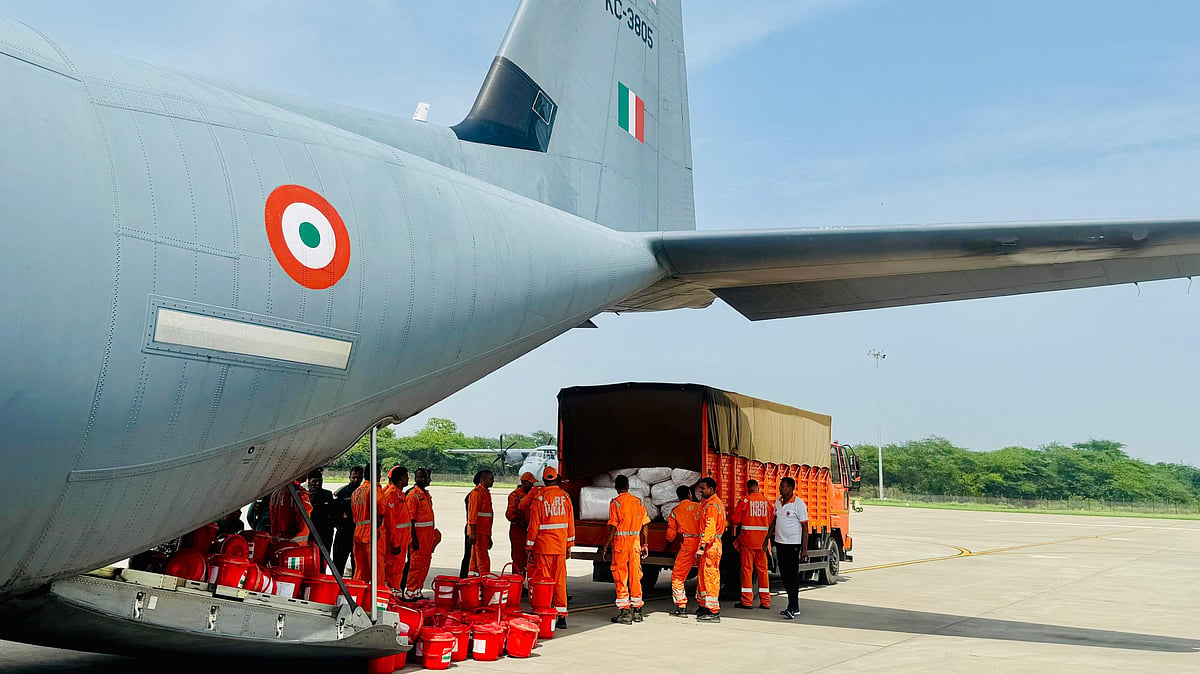
A huge flood and landslide hit Nepal near its border with China.
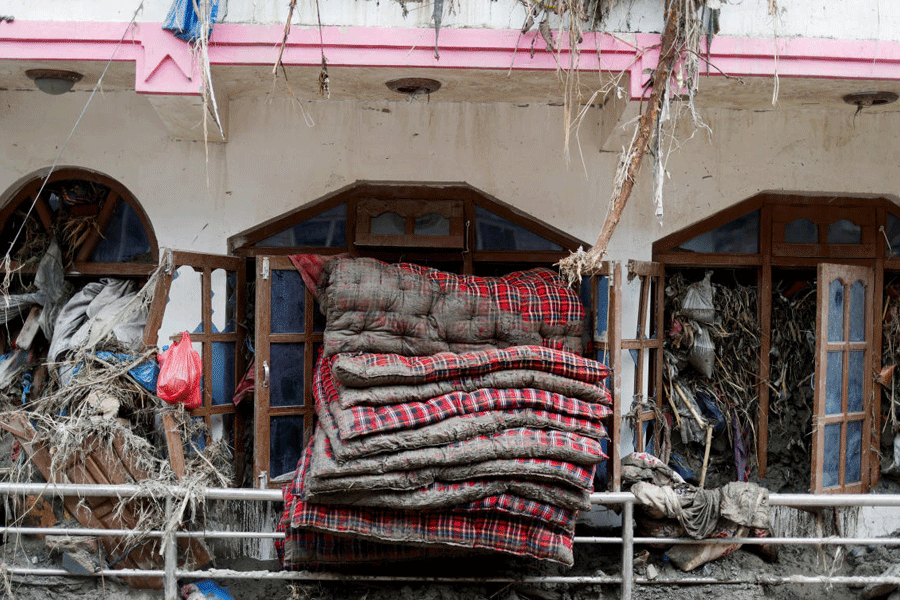
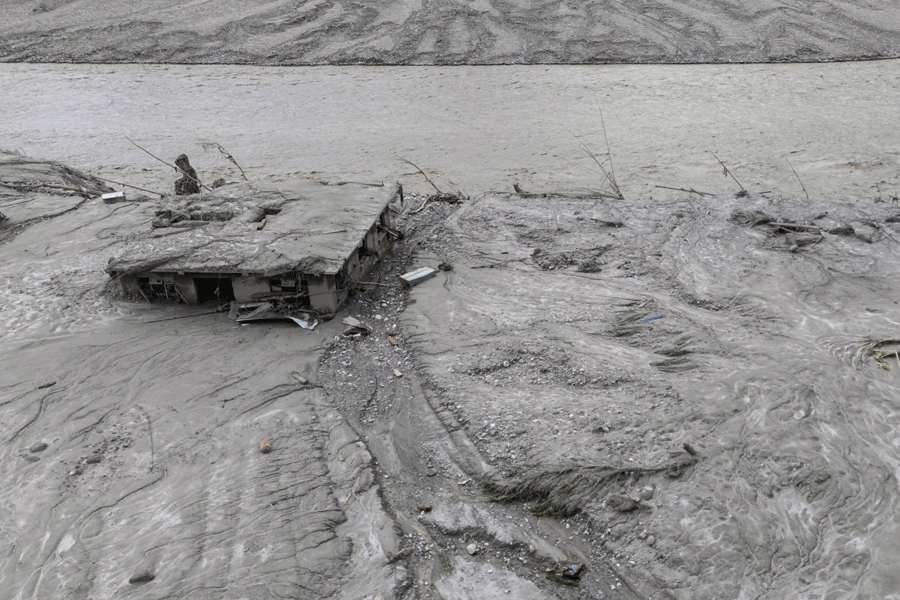
Water, mud and rocks damaged villages, roads, bridges and power projects.
At least 469 people were reported dead, although later reports gave higher numbers.
Many people, including visitors from other countries, were still missing.
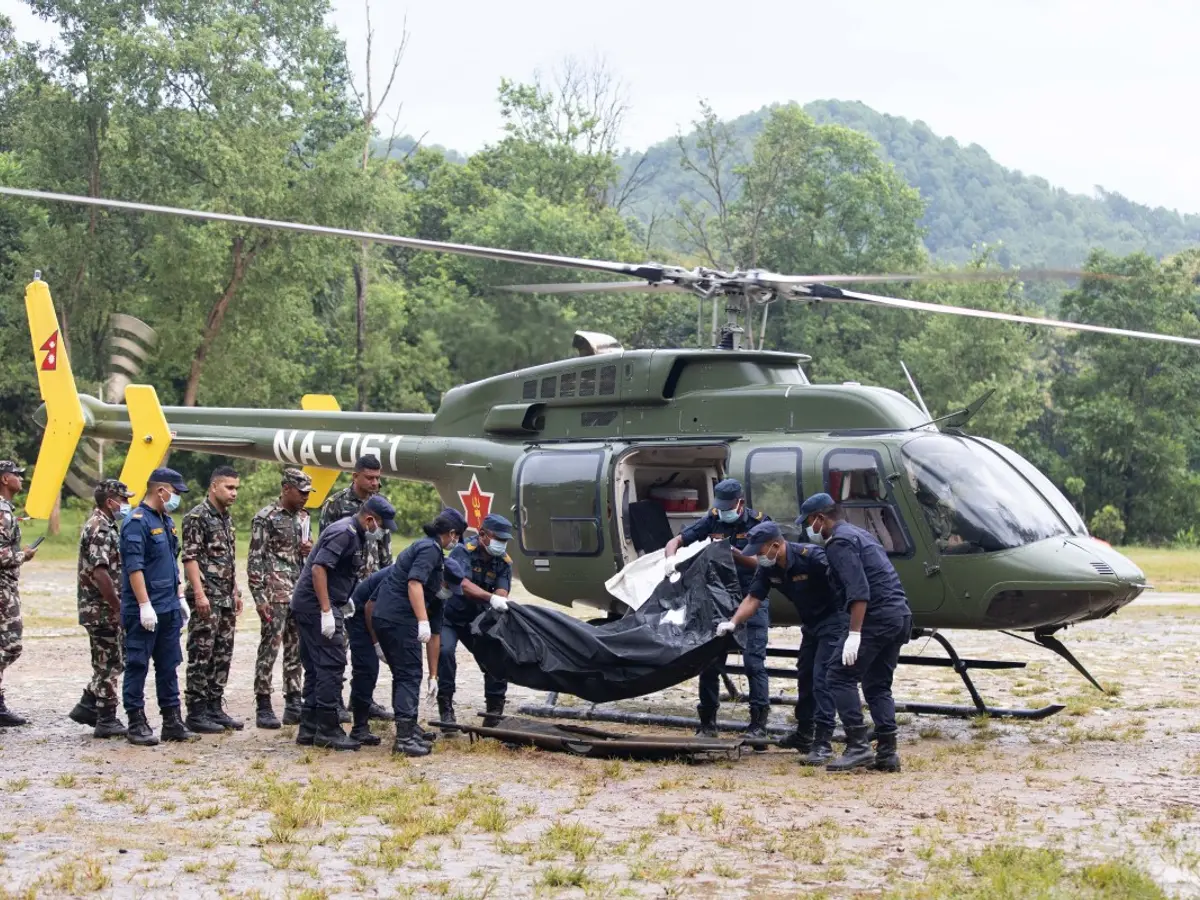
Nepal first said its army, police and other security agencies could handle the rescue.
Officials remembered that too many foreign teams made coordination difficult after the 2015 earthquake.
Later, Nepal allowed a few foreign teams to help with special jobs such as tunnel rescues and identifying bodies.
Nepal still kept control of the main rescue effort.
Other countries also sent money, medicine, food and equipment.

Flash floods and landslides along Nepal’s Himalayan border killed at least 469 people, while later reports put the toll above 579.
Nepal initially rejected foreign search-and-rescue teams, citing its security agencies’ capacity and coordination problems during the 2015 earthquake.
After reconsideration, Nepal approved limited specialist assistance from India, China, Australia and South Korea for technical tasks.
Foreign support includes India’s relief supplies, a United States pledge of $500,000 and World Health Organization medical assistance.
The disaster left hundreds or more than 1,000 people missing, including foreign nationals, while Nepal continued leading the overall rescue operation.
- Who
- The Government of Nepal, Nepal Army, Nepal Police and other security agencies are leading the response; India, China, Australia, South Korea and other countries have offered or provided assistance.
- What
- Flash floods and landslides caused extensive deaths and destruction, prompting Nepal first to reject and later to permit limited foreign technical rescue assistance.
- Where
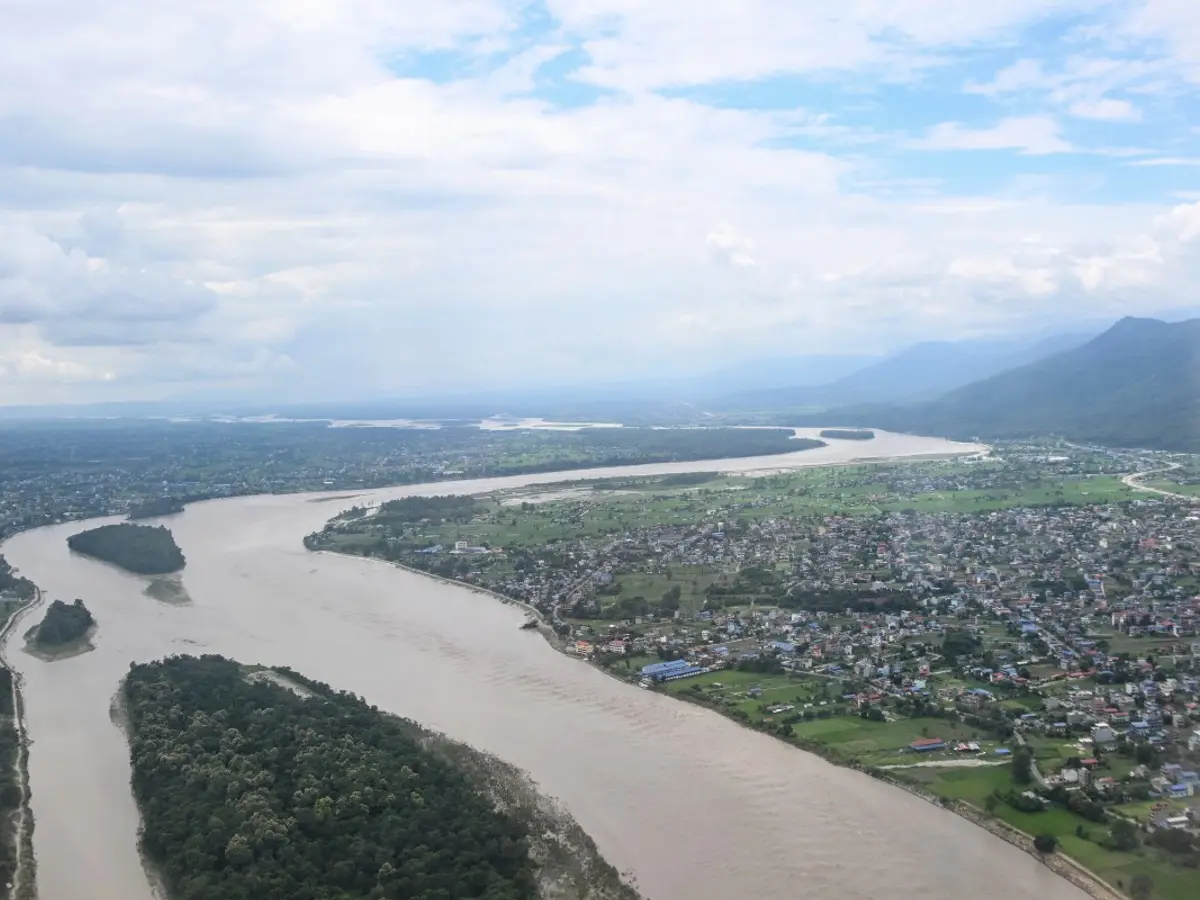
- The disaster affected Nepal’s Himalayan border region near China, especially the Bhotekoshi and Trishuli river systems and Rasuwa and Nuwakot districts.
- When
- The floods struck on Wednesday, with one report identifying the date as August 26, 2026; reports were published on August 28, 2026.
- Why
- Nepal initially cited the capability of its own security forces and coordination problems experienced during the influx of foreign teams after the 2015 earthquake; it later approved help for specific technical needs.
Nepal-led rescue operation
Targeted international assistance
Control of search operations
Nepal-led rescue operation
Nepal initially said its army, police and other security agencies had the capacity to manage the rescue and should lead the operation.
Targeted international assistance
Countries including India, China, Australia and South Korea offered specialised personnel and equipment, particularly as foreign nationals remained missing.
Lessons from the 2015 earthquake
Nepal-led rescue operation
Nepal cited coordination and logistical problems caused by the large influx of international rescue teams after the 2015 earthquake as a reason to limit foreign deployments.
Targeted international assistance
Supporters of foreign assistance continued offering technical, medical and logistical capabilities that Nepal reportedly needed for specialised tasks.
Form of international support
Nepal-led rescue operation
Nepal asked countries to route financial contributions through a single mechanism and said assistance would be needed for rehabilitation and reconstruction.
Targeted international assistance
Foreign governments and organisations offered direct rescue support, money, medical supplies, food, bridges and other relief materials.
Key facts
- Reported death toll
- Most reports cited at least 469 deaths in Nepal; another report said the toll had risen above 579, reflecting changing casualty figures.
- Missing people
- Reports variously described hundreds, nearly 1,000, more than 1,000 or around 1,500 people as missing or unaccounted for.
- Nepalese rescue deployment
- Around 4,348 Nepal Police personnel were deployed for search-and-rescue operations.
- Initial foreign-team decision
- Nepal initially declined requests from India, China, the United States, the United Kingdom, Japan, South Korea, Sri Lanka and Bangladesh to send rescue teams.
- Limited assistance later approved
- India, China, Australia and South Korea were later permitted to provide specialised assistance, including technical support for tunnel rescues and forensic identification.
- International aid
- The United States pledged $500,000, the World Health Organization sent emergency medical supplies, and India dispatched 47.5 tonnes of relief material, medicines and food packets.
- 2015 earthquake lesson
- Nepalese officials said the large number of foreign rescue teams and competition among countries created coordination and management difficulties after the 2015 earthquake.
Quotes
Unnamed senior Nepalese Ministry of Foreign Affairs official
A senior official of Nepal’s Ministry of Foreign Affairs discussing rejected foreign rescue-team offers.
“The ERT shall serve as the central coordinating body within the ministry to facilitate search, rescue, information verification, and consular assistance in respect of foreign nationals affected by, missing in, or otherwise connected to the flood incident,”
 news18.com
“We received similar requests from China and other countries too, but we had to turn down the request.”
 livemint.com
 thestatesman.com
 freepressjournal.in
news18.com
freepressjournal.in
news18.com
Sources

Nepal flash floods: Why Kathmandu declined foreign rescue teams and what were lessons from 2015 earthquake

Bhotekoshi deluge: Nepal turns down assistance from foreign rescue teams

Nepal Rejects Foreign Rescue Teams After Deadly Flash Floods Kill 469, Welcomes Monetary Aid
Nepal Opens Door to Foreign Rescue Aid After Bhotekoshi-Trishuli Flash Flood Disaster; India, China Get Nod
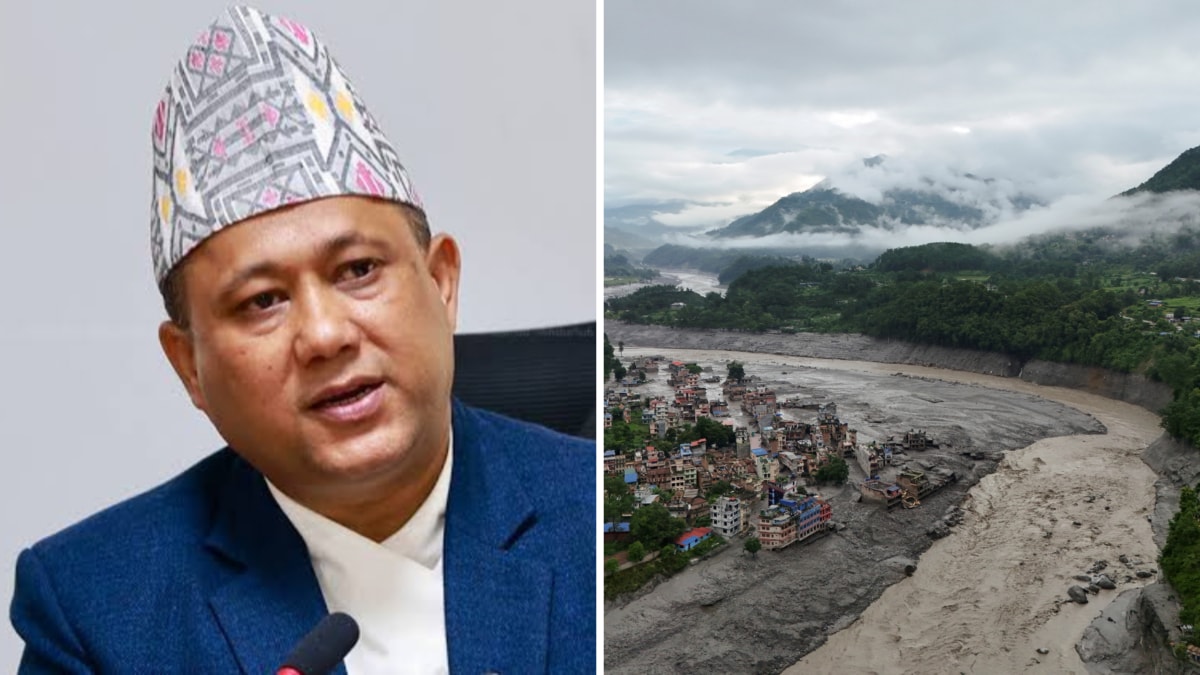
‘We Had To Turn Them Down’: Nepal Rejects Foreign Rescue Teams As Flood Toll Nears 500
Related news
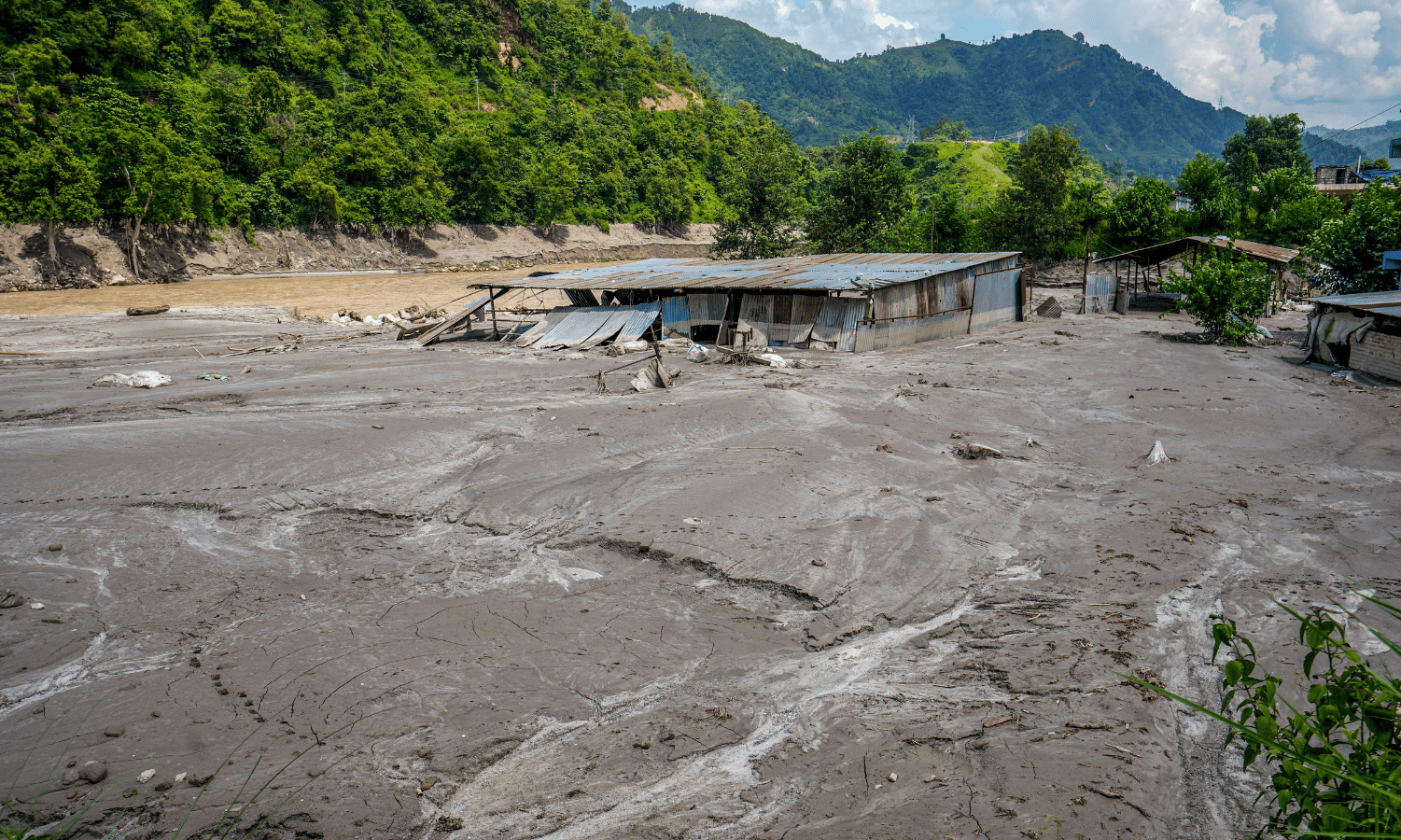
Nepal Declines Foreign Rescue Teams as Flood Toll Rises
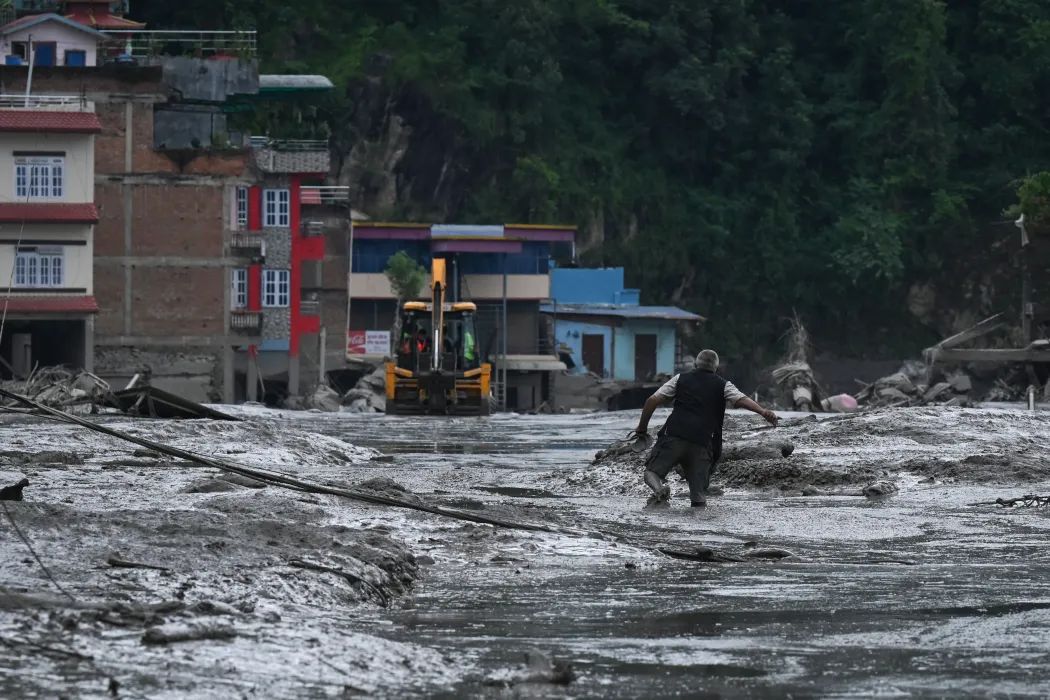
Nepal Limits Foreign Rescue Teams While Accepting Targeted Flood Aid
Nepal Flood Toll Rises as Rescue and Relief Continue
Nepal Prioritizes Own Forces While Seeking Foreign Aid After Floods
India Sends Rescue Team as Nepal Requests Flood Assistance

Nepal Thanks World for Flood Support, Rejects Assistance Claims

Nepal Thanks India as Glacial Disaster Rescue Efforts Continue
Nepal Warns of Heavy Rain After Deadly Floods
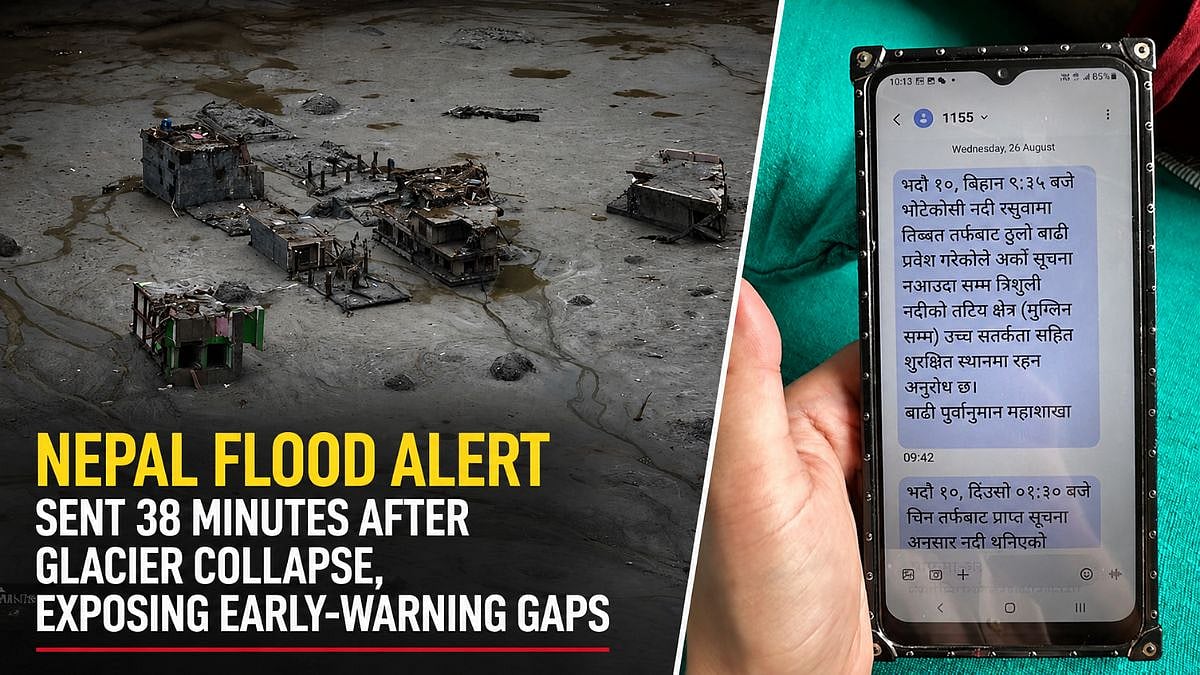
Nepal Flood Exposes Delayed Alerts and Cross-Border Warning Gaps
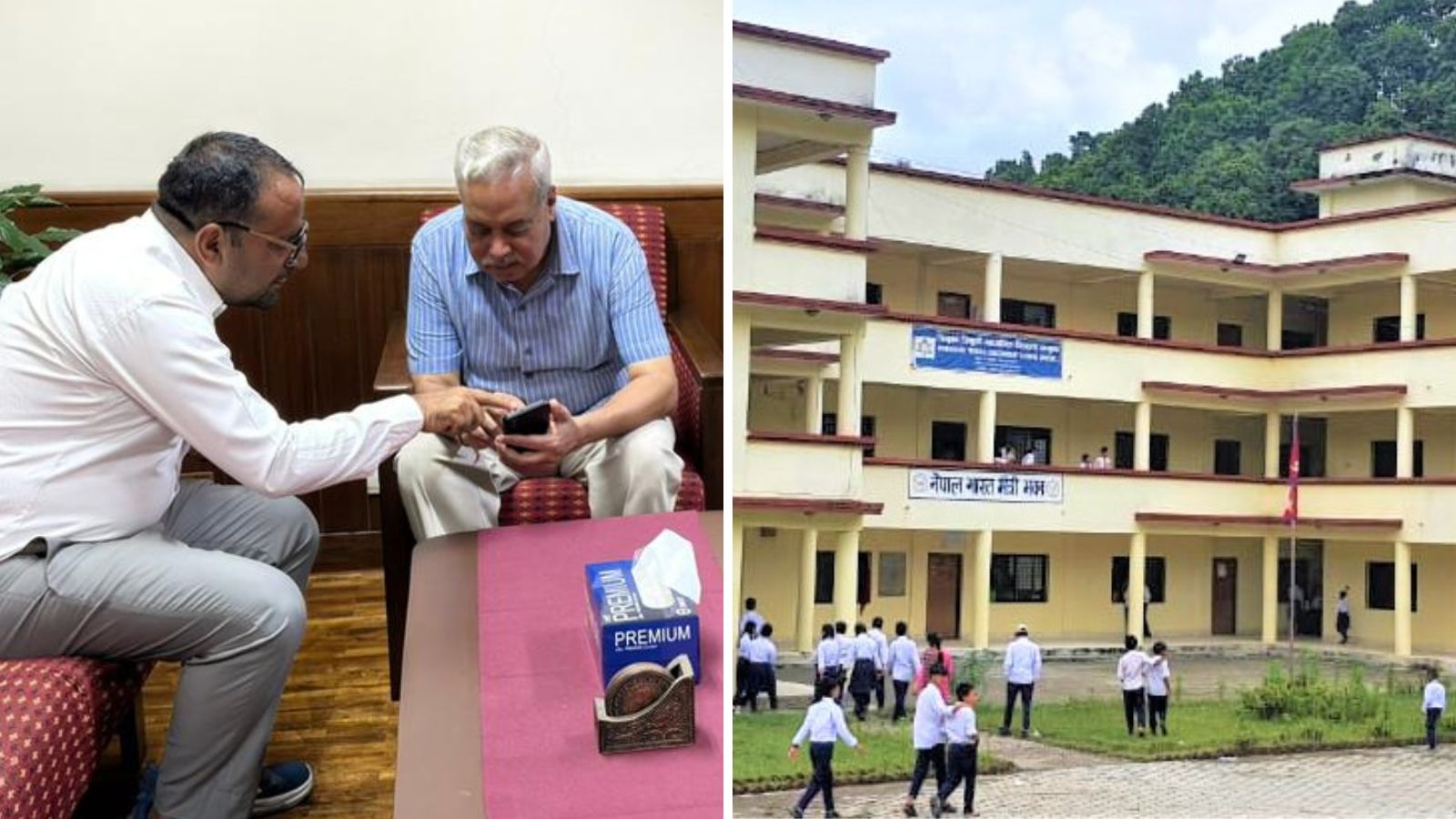
India to Rebuild Nepal School After Principal Saves 1,600
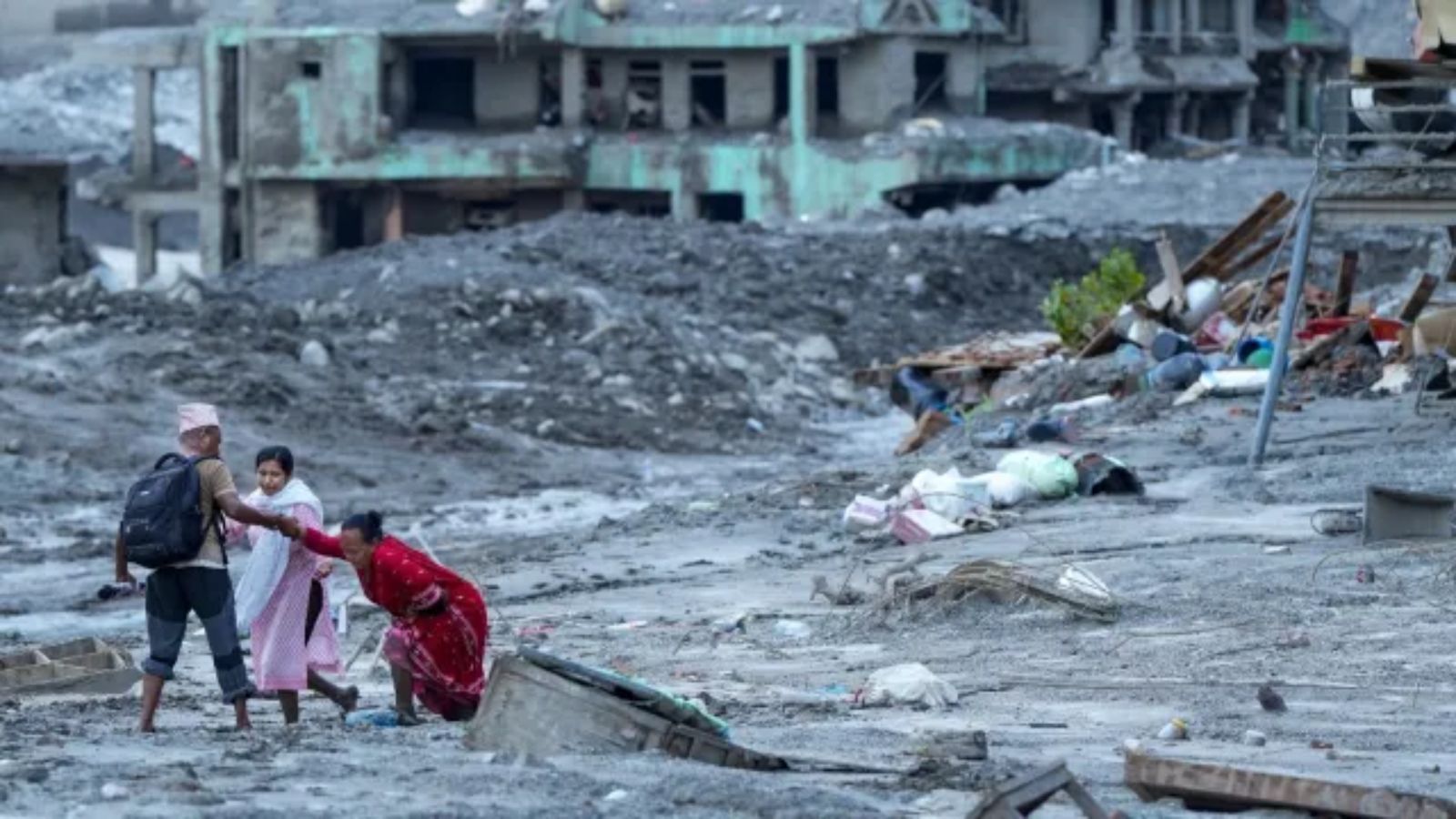
Maharashtra Mountaineers Join Search for Missing Nepal Trekkers