19 hrs ago
Sainsbury’s-Morrisons Merger Talks End Amid Price and Regulatory Concerns
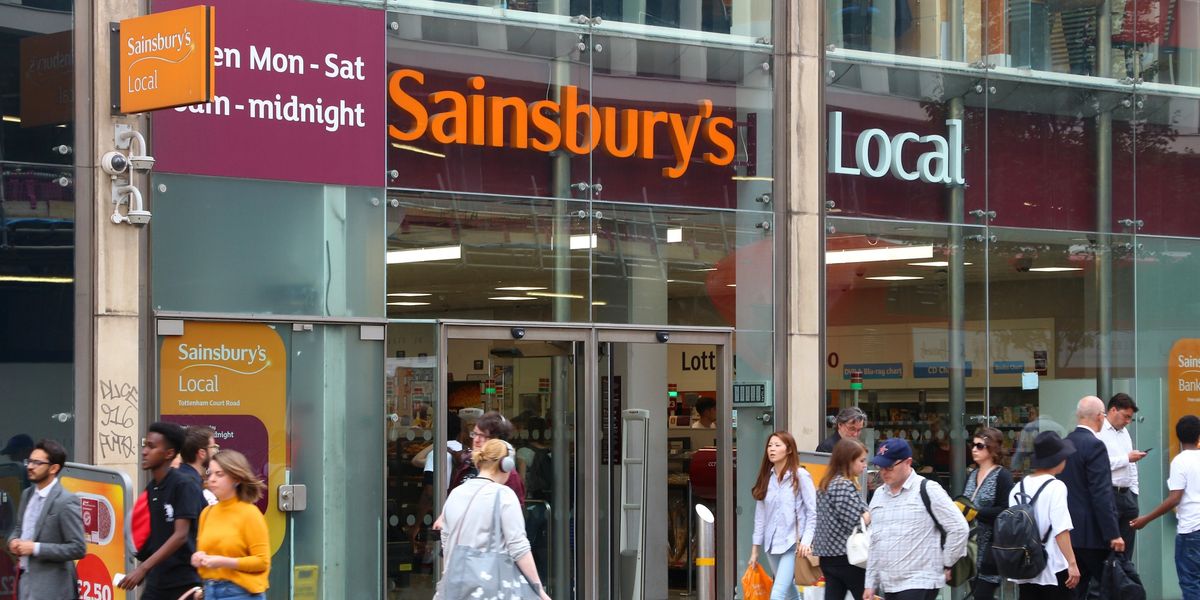
Sainsbury’s and Morrisons talked about joining together, but they did not make a deal.
The talks happened between November 2025 and February 2026.
Reports say they disagreed about how much a deal should cost.
Morrisons also has a large amount of debt.
If joined, the supermarkets would have sold about 24% of groceries in the UK, less than Tesco’s roughly 28%.
A bigger company might have more power when buying food from suppliers.
But regulators could worry that shoppers would have fewer choices, especially in places where both stores are nearby.
The talks are not happening now, though they could possibly start again.

Sainsbury’s and Morrisons held preliminary merger discussions from November 2025 to February 2026, but no deal was reached.
Reports cite differences over price, Morrisons’ debt and potential regulatory scrutiny as obstacles.
A merger would have combined the retailers’ shares to about 24% of UK grocery sales, still below Tesco’s roughly 28%.
Analysts say a deal could increase Sainsbury’s scale and supplier bargaining power, but overlapping stores could raise competition concerns.
There are no active talks; people close to the situation have not ruled out discussions restarting.
- Who
- Sainsbury’s and Morrisons, with potential scrutiny from the Competition and Markets Authority.
- What
- Exploratory merger talks ended without an agreement.
- Where
- The UK grocery market.
- When
- The discussions took place between November 2025 and February 2026.
- Why
- Reports cite differences over price, Morrisons’ debt and the prospect of regulatory scrutiny.
Case for a merger
Concerns about a merger
Scale and competition
Case for a merger
Deutsche Bank analyst Benjamin Yokyong-Zoega said a deal could give Sainsbury’s greater scale, purchasing power and access to Morrisons’ vertically integrated food-supply operations.
Concerns about a merger
The combined business would remain smaller than Tesco, while regulators could be concerned about reduced competition and overlapping stores.
Strategic and financial case
Case for a merger
A merger could strengthen Sainsbury’s position against expanding discount chains and provide an exit for Morrisons’ owner, Clayton, Dubilier & Rice.
Concerns about a merger
Price differences and Morrisons’ debt of around £7.5 billion were obstacles, and Sainsbury’s would need to consider whether the deal fit its own efficiency and returns strategy.
Regulatory outlook
Case for a merger
The proposed combination’s roughly 24% market share would be below the approximately 30% share proposed in the blocked Sainsbury’s-Asda merger; the article also notes the growth of Aldi, Lidl and online grocery shopping.
Concerns about a merger
The Competition and Markets Authority could still scrutinise the deal, and analysts expect competition concerns to remain significant; asset or store sales might be required for approval.
Key facts
- Talks
- Preliminary discussions ran from November 2025 to February 2026; there are currently no active talks.
- Potential combined market share
- Roughly 24% of UK grocery sales.
- Sainsbury’s market share
- 15.6%, according to the latest Worldpanel by Numerator data cited in reports.
- Morrisons market share
- 8.4%, according to the same cited data.
- Tesco market share
- About 28% to 28.1%, according to figures cited in the article.
- Morrisons’ debt
- Around £7.5 billion following its 2021 private equity takeover.
- Previous regulatory decision
- The Competition and Markets Authority blocked Sainsbury’s proposed £7.3 billion takeover of Asda in 2019.
Sources
Related news
BT’s TalkTalk Rescue Raises Questions About Broadband Competition

Paramount-Warner Merger Settlement Talks Advance Amid Antitrust Lawsuit

Tata Sons Merger Could Alter RBI Regulatory Status

SP Group Seeks ₹25,000 Crore Tata Sons Buyback

Mark Ruffalo Pressures Bonta to Reject Paramount-Warner Settlement

Indian Stocks in Focus as Deals, Orders and Results Emerge