4 hrs ago
UN Chief and Eight Nations Criticize US Sanctions on ICC
The United States announced sanctions against the International Criminal Court, or ICC.
US Secretary of State Marco Rubio said the measures would restrict transactions with the court and cut off its resources.
He said they would cripple the court’s ability to operate.
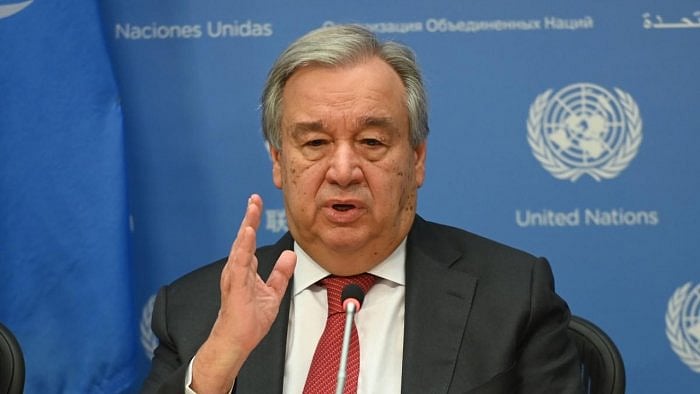
United Nations chief Antonio Guterres said he was deeply worried about the effect on the ICC’s work.
He said the decision could harm efforts to deliver justice for serious crimes.
Eight countries also criticized the announcement.
They said they support the ICC’s independence, impartiality and integrity.
The eight countries said they would pursue dialogue with countries that are not members of the ICC.

US Secretary of State Marco Rubio announced sanctions against the International Criminal Court on Friday.
Rubio said the measures would ban transactions with the court, cut off its resources and cripple its ability to operate.
UN Secretary-General Antonio Guterres said he was deeply alarmed by the expected impact on the court and its work.
Guterres described the decision as a serious blow to international criminal justice and reaffirmed support for the ICC’s independence.
Canada, Denmark, Germany, France, Italy, Japan, the Netherlands and the United Kingdom opposed the announcement and reaffirmed support for the court.
- Who
- The United States announced sanctions against the International Criminal Court; UN Secretary-General Antonio Guterres and eight countries criticized the move.
- What
- The United States announced measures targeting the ICC, while Guterres and the eight countries defended the court’s independence and role.
- Where
- The announcement and responses were reported from the United Nations context; the sanctions target the ICC.
- When
- Friday; the article does not specify a calendar date.
- Why
- Rubio said the measures would restrict transactions, cut off resources and cripple the court’s ability to operate; the article gives no further explanation of the US rationale.
US position
ICC supporters’ position
Sanctions and the court’s operations
US position
Marco Rubio said the sanctions would ban transactions with the ICC, cut off its resources and cripple its ability to operate.
ICC supporters’ position
Guterres warned that the sanctions could affect the ICC as a whole and its ability to carry out its mandates.
International justice and court independence
US position
The article reports Rubio’s announcement but does not provide a broader US argument about international justice or the ICC’s independence.
ICC supporters’ position
Guterres called the decision a serious blow to international criminal justice. The eight countries reaffirmed support for the ICC’s independence, impartiality and integrity.
Key facts
- Sanctioning country
- United States
- US official announcing sanctions
- Secretary of State Marco Rubio
- Target
- International Criminal Court (ICC)
- UN response
- Antonio Guterres said he was deeply alarmed by the expected impact and reaffirmed support for the ICC’s independence.
- Countries opposing the announcement
- Canada, Denmark, Germany, France, Italy, Japan, the Netherlands and the United Kingdom
- Planned dialogue
- The eight countries said they would engage non-member states ahead of the Assembly of States Parties in December 2026.
Quotes
Eight-nation joint statement
Joint statement by Canada, Denmark, Germany, France, Italy, Japan, the Netherlands and the United Kingdom
“The secretary-general is deeply alarmed by the expected impact of today's sanctions on the International Criminal Court as a whole, and in particular, its continued ability to perform its important mandates, including in relation to the situations referred to it by the Security Council and states parties to the Rome Statute.”
 freepressjournal.in
“Today's decision marks a serious blow to our collective pursuit of international criminal justice, of which the ICC is a key pillar. Accountability for international crimes and delivery of justice to victims are central to our global commitment to peace, security, human rights and fundamental freedoms.”
freepressjournal.in
Sources
Related news
ICC Condemns US Sanctions and Urges Members to Protect Operations
US Sanctions ICC as Former Judge Wins Nobel Peace Prize

Trump Administration Prepares Sanctions Against International Criminal Court
Trump Urges Countries to Leave ICC, Few Follow Lead
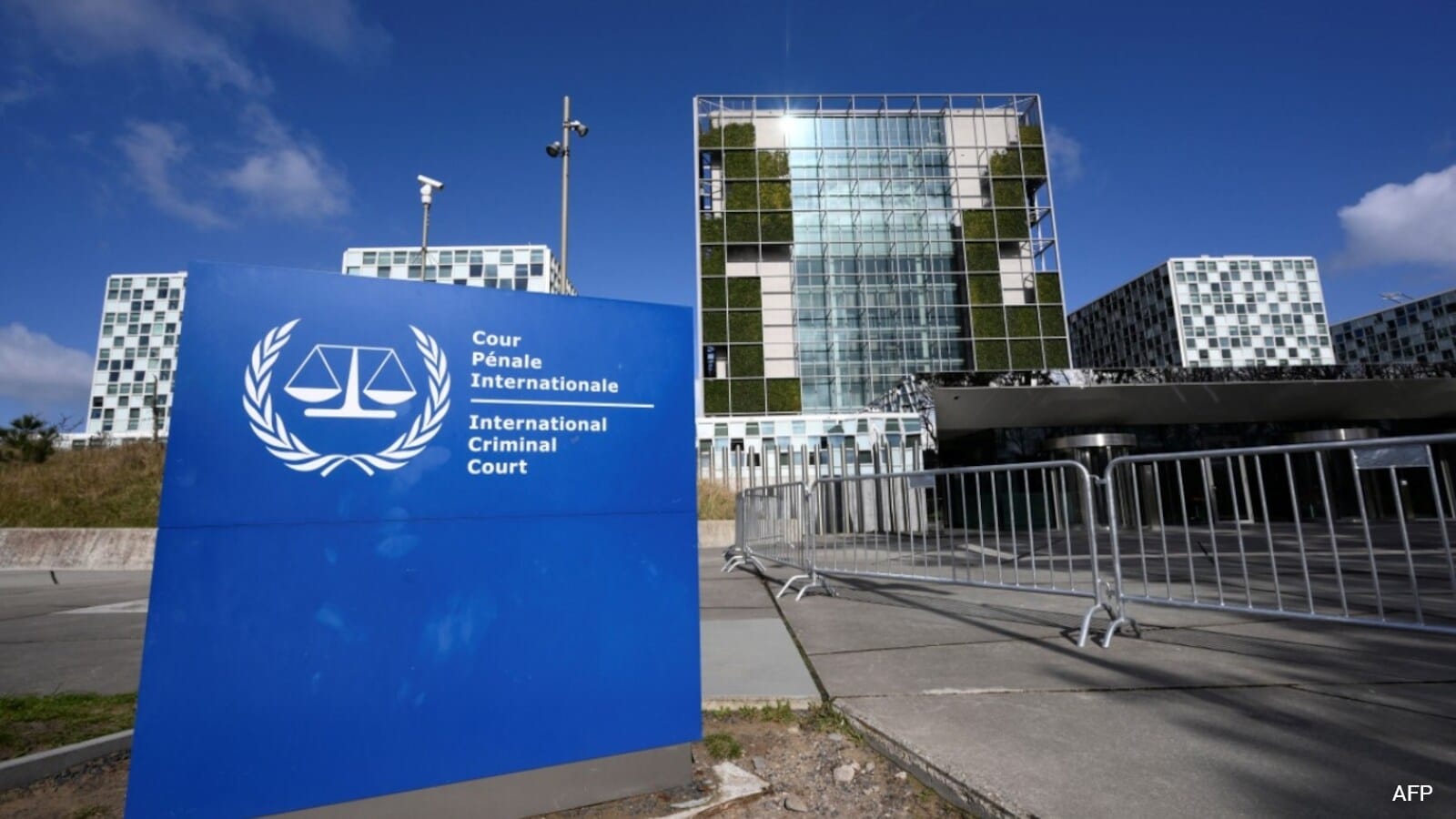
Trump Administration Reportedly Prepares Sanctions Against International Criminal Court
Rights Groups Challenge Trump's ICC Sanctions Over Chilling Effect
Trump Says He Deserved Nobel After Navi Pillay Wins
Navi Pillay’s Journey From Apartheid Courts to International Justice