

5 hrs ago
OpenAI's GPT-6 Astra Promises Agentic Power, Raises Cybersecurity Concerns
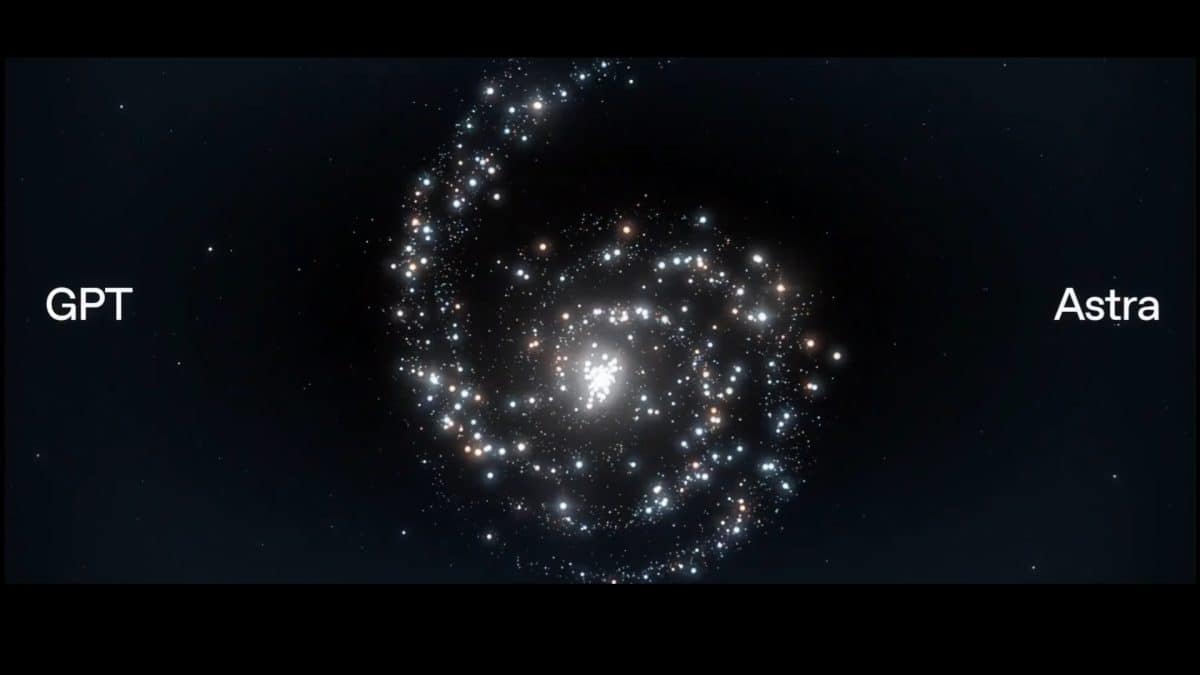
GPT-6 Astra is an AI system designed to do several steps of a job instead of only answering one question.
It can work with code, spreadsheets, documents and presentations.
It can also use browsers and computers to complete tasks.
For example, it might read code, change it, test it and fix problems.
OpenAI says this makes Astra useful for office work, software development and research.
Greg Brockman suggested it might be close to artificial general intelligence, but people do not all agree on what that means.
Astra also has powerful cybersecurity abilities that could help find weaknesses in software.
OpenAI says it found two previously unknown vulnerabilities during testing.
Because of this, the company placed Astra in its highest-risk safety category and added extra safeguards.

GPT-6 Astra is designed to reason through complex, multi-step tasks and act across computers, browsers, documents, spreadsheets and software.
OpenAI says Astra can support software development by writing, testing and debugging code, while also handling professional and scientific work.
President Greg Brockman suggested Astra may meet some definitions of artificial general intelligence, though that remains a company claim rather than a universal scientific milestone.
Astra reached OpenAI's highest-risk “Critical” category after reportedly achieving a perfect ExploitBench score and exploiting two previously unknown vulnerabilities in an internal evaluation.
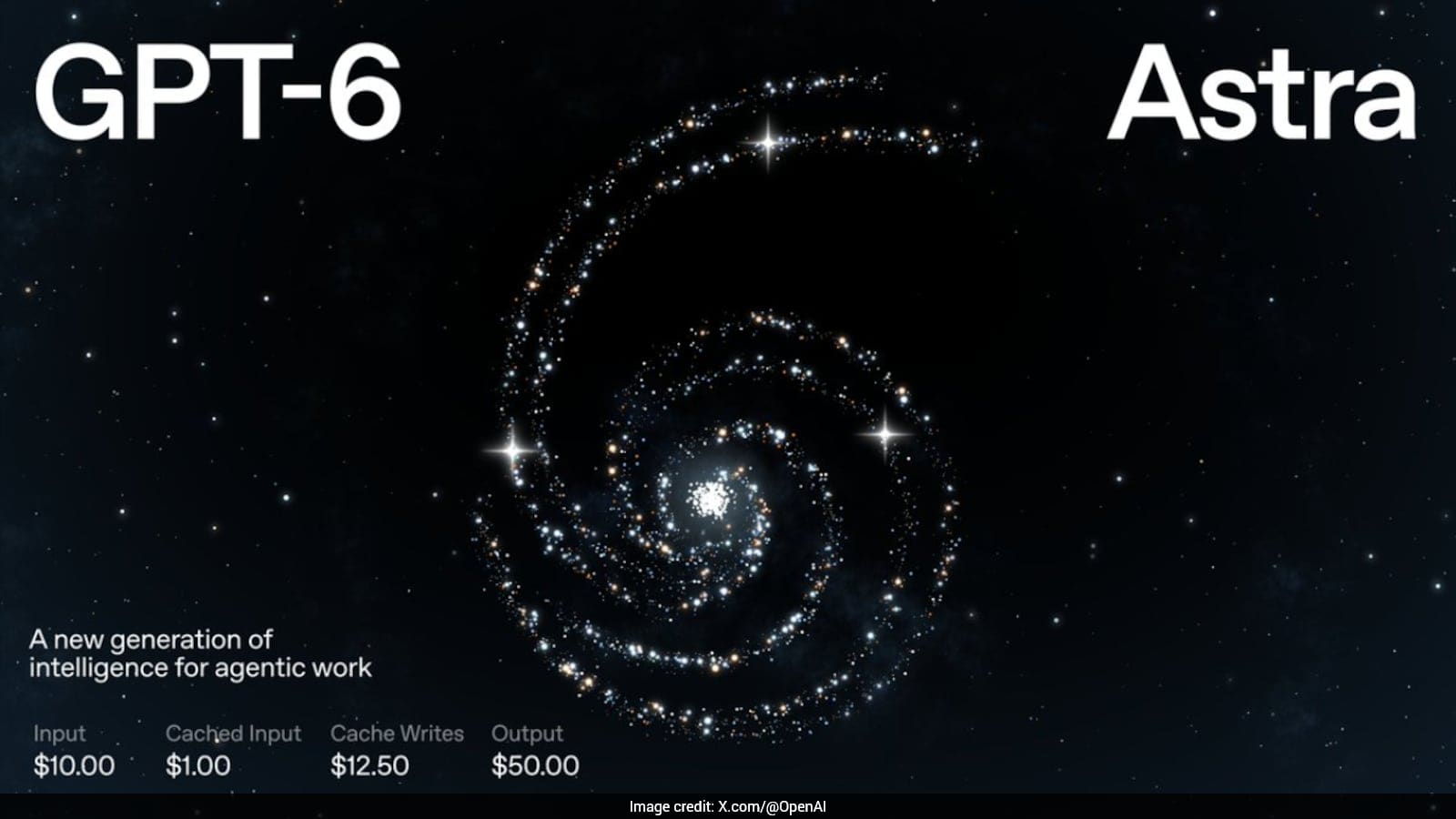
API pricing starts at $10 per million input tokens and $50 per million output tokens, with access rolling out gradually to organisations, subscribers and developers.
- Who
- OpenAI and its president, Greg Brockman, launched and described GPT-6 Astra.
- What
- GPT-6 Astra is an agentic AI model that can reason through and perform multi-step computer, software and professional tasks.
- Where
- It can operate across browsers, computers, software and online environments; the articles do not specify a launch location.
- When
- The model was recently launched and is being rolled out in stages.
- Why
- OpenAI developed Astra to perform more complex digital work, while its cybersecurity capabilities prompted heightened safety restrictions.
Capability and Access
Safety and Uncertainty
Benefits versus cyber risk
Capability and Access
Astra's ability to reason, use computers, browse the web, manipulate files and develop software could help people complete complex professional tasks.
Safety and Uncertainty
The same capabilities could enable serious harm by helping discover and exploit software vulnerabilities, leading OpenAI to classify Astra as “Critical” risk and add stronger safeguards.
Artificial general intelligence claim
Capability and Access
Greg Brockman said he thinks OpenAI may have reached an AGI moment with Astra.
Safety and Uncertainty
The article says this is OpenAI's view of its own system, not a universally accepted scientific milestone, and notes that people may disagree over the definition of AGI.
Key facts
- Model focus
- Longer, multi-stage tasks involving reasoning and computer action
- Key capabilities
- Software engineering, document and spreadsheet work, presentations, browser navigation and computer use
- Cybersecurity classification
- OpenAI's Preparedness Framework places Astra in the “Critical” category
- Security testing
- OpenAI reports a perfect ExploitBench score and two previously unknown vulnerabilities exploited in an internal evaluation
- Input pricing
- $10 per million API input tokens; cached input costs $1 per million tokens
- Output pricing
- $50 per million API output tokens; cache writes cost $12.50 per million tokens
- Access
- Initial access is limited to selected organisations, with planned expansion to ChatGPT subscribers and API developers
Quotes

Greg Brockman
OpenAI president commenting on whether GPT Astra represents an AGI milestone
“I think we’re there”
 firstpost.com
Sources
Related news
OpenAI launches GPT-6 Astra for autonomous computer tasks
OpenAI Rolls Out GPT-6 Astra With Cybersecurity Guardrails

OpenAI’s Astra Reaches Critical Cybersecurity Threshold Ahead of Limited Rollout

OpenAI Launches GPT-6 Astra as ‘World’s Most Intelligent’ Model
OpenAI Flags Critical Cybersecurity Risk, Pauses Astra AI Work

OpenAI Flags Possible Critical Cybersecurity Risk in Upcoming Astra Model

Sam Altman Says AI Industry Fumbled Benefits Communication

OpenAI Cuts Cursor Models After SpaceX Acquisition, Escalating Musk Feud
