

1 week ago
Mint Lounge Examines Goa’s Sports Tourism Gamble and More

This Mint Lounge roundup looks at several different topics.
Goa is using sports events to bring in more visitors and earn money.
But more visitors and construction can also hurt nature and upset local people.
In India, independent creators are helping more fans follow Formula One through online commentary.
The monsoon gives cooks in northeast India special ingredients that are available for only a short time.
Exercise is healthy, but it does not erase the harmful effects of alcohol.
The roundup also explains why wrists need exercise because they are used for many daily tasks.
Another article says offices are becoming less important as remote work technology and artificial intelligence grow, while a film review finds Batwara 1947 unremarkable as a Partition story.

Goa is promoting major sports events to attract Indian tourists and generate revenue, while facing concerns about pollution, habitat loss, overtourism and local opposition.
Independent Indian streamers are building F1 fandom by offering live or post-race commentary outside mainstream television coverage.
Northeast India’s monsoon season brings a short window for distinctive ingredients, including bamboo, ferns, native limes, wild ginger, crabs, frogs and mushrooms.
Regular exercise does not cancel alcohol’s effects on muscle repair, hydration, sleep, metabolism and liver health, while wrist-strengthening exercises can support everyday activities.
The issue also argues that offices are shrinking as technology, flexible work preferences and artificial intelligence challenge the traditional 9-to-5 model, and reviews the film Batwara 1947.
- Who
- The Goa government, tourists, local residents, independent F1 streamers, workers and the writers contributing to Mint Lounge.
- What
- A Mint Lounge roundup covering Goa’s sports-tourism strategy, online F1 fandom, northeast monsoon foods, alcohol and exercise, wrist health, workplace changes and the film Batwara 1947.
- Where
- The main report focuses on Goa; other items concern northeast India, Formula One fandom in India and broader workplace trends.
- When
- The cover is dated 22 August 2026; the Goa account refers to the FIDE World Cup being held late the previous year.
- Why
- The roundup examines how tourism, digital media, seasonal food, health habits, work arrangements and entertainment are changing.
Potential Benefits
Costs and Concerns
Goa’s sports-tourism expansion
Potential Benefits
The Goa government sees major sports events and related infrastructure as a way to generate revenue and offer Indian tourists more activities than beach relaxation.
Costs and Concerns
Critics cited in the article warn that construction and increased visitation can worsen pollution, damage habitats, intensify overtourism and provoke local resistance.
The future of office work
Potential Benefits
Technology and hybrid or flexible schedules can support work from home, improve work-life balance and reduce commuting.
Costs and Concerns
Many CEOs continue to emphasize having employees in the office and are portrayed as resisting the shift away from the traditional office setup.
Key facts
- Goa’s strategy
- The state is promoting domestic and international sports events, with revenue from large-scale events presented as a major motivation.
- Tourism shift
- The article says foreign tourist numbers are dropping while more Indian visitors are coming to Goa.
- Environmental concerns
- Sports and related infrastructure may contribute to pollution, habitat destruction and overtourism.
- F1 streaming
- Independent creators are streaming commentary live or after races and attracting views, followers and fans.
- Monsoon ingredients
- Northeast India’s rainy season features seasonal bamboo, ferns, native limes, wild ginger shoots, crabs, frogs, mushrooms and jackfruit seeds.
- Alcohol and exercise
- The article says alcohol can hinder muscle repair, cause dehydration, affect sleep, slow metabolism and strain the liver.
- Workplace change
- Global office attendance is described as 30% below pre-pandemic levels, with companies reducing their office footprint.
Sources
Related news

Goa's Tourism: No Off Season Anymore Amid High Air Fares

Goa records 61.38 lakh tourist arrivals during January-July 2026

Goa Records 61.38 Lakh Visitors as Charter Bookings Rise
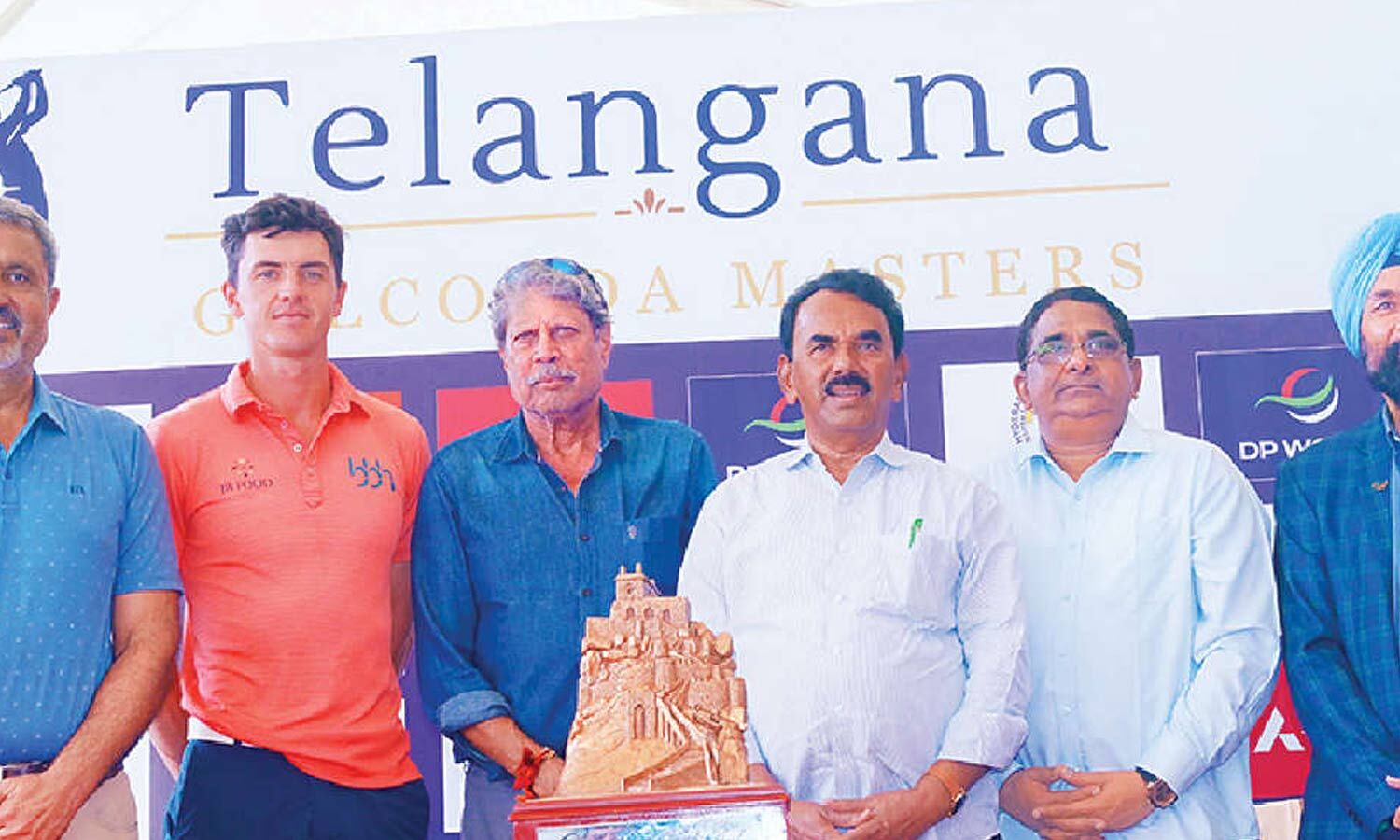
Kapil Dev Urges India to Expand Beyond Cricket Through Golf

West Bengal Plans Major Push to Become Wedding Destination

Wesley So backs Nepo's Goa Chess World Cup complaints
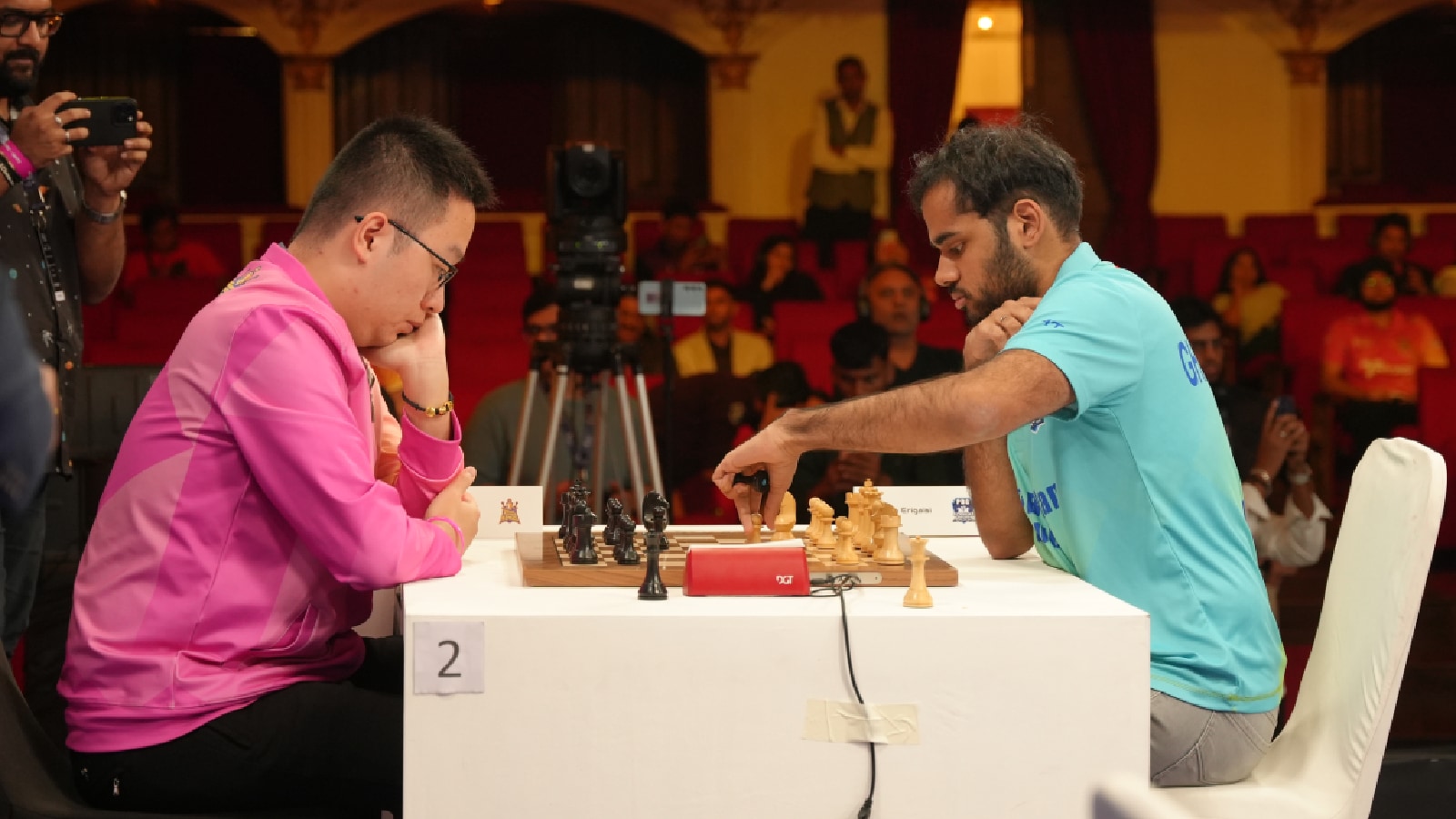
Arjun Erigaisi Reflects on Missed Candidates Opportunity

Chess Champions Discuss Gukesh's Form

Giri: Sindarov, Deshmukh Deserved World Cup Wins
