2 days ago
Trump’s Iran Oil Proposal Faces Legal and Practical Barriers
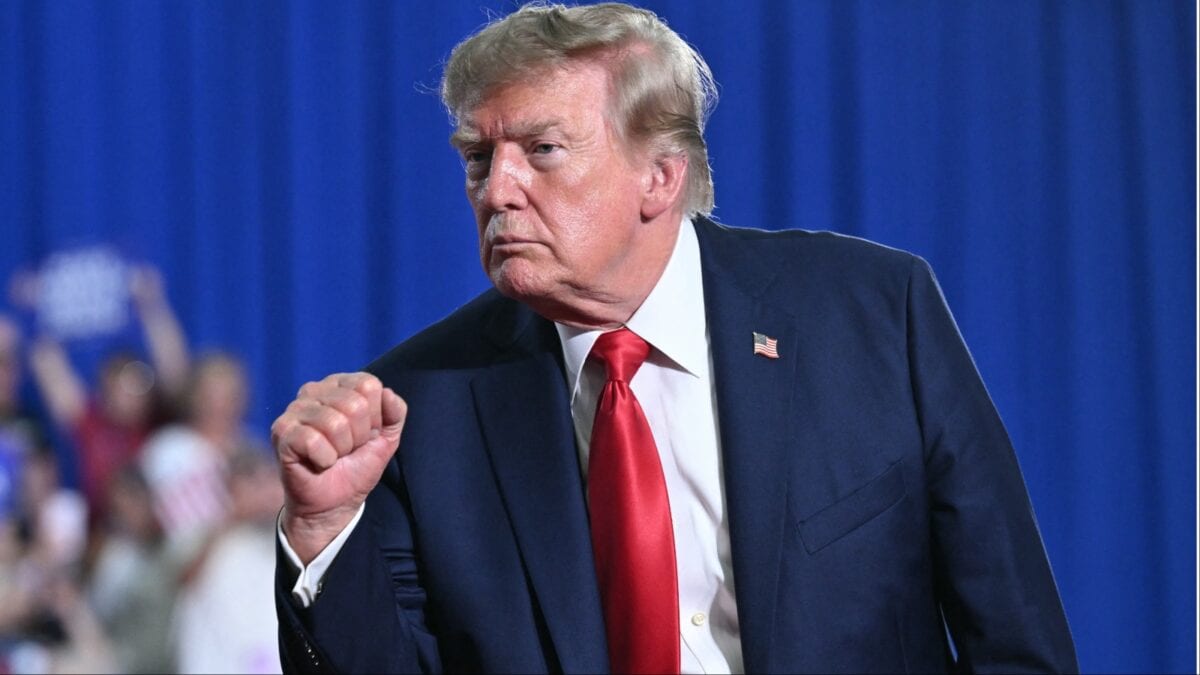
Donald Trump said the United States might try to keep some Iranian oil after the war.
He compared this idea with a new oil arrangement involving Venezuela.
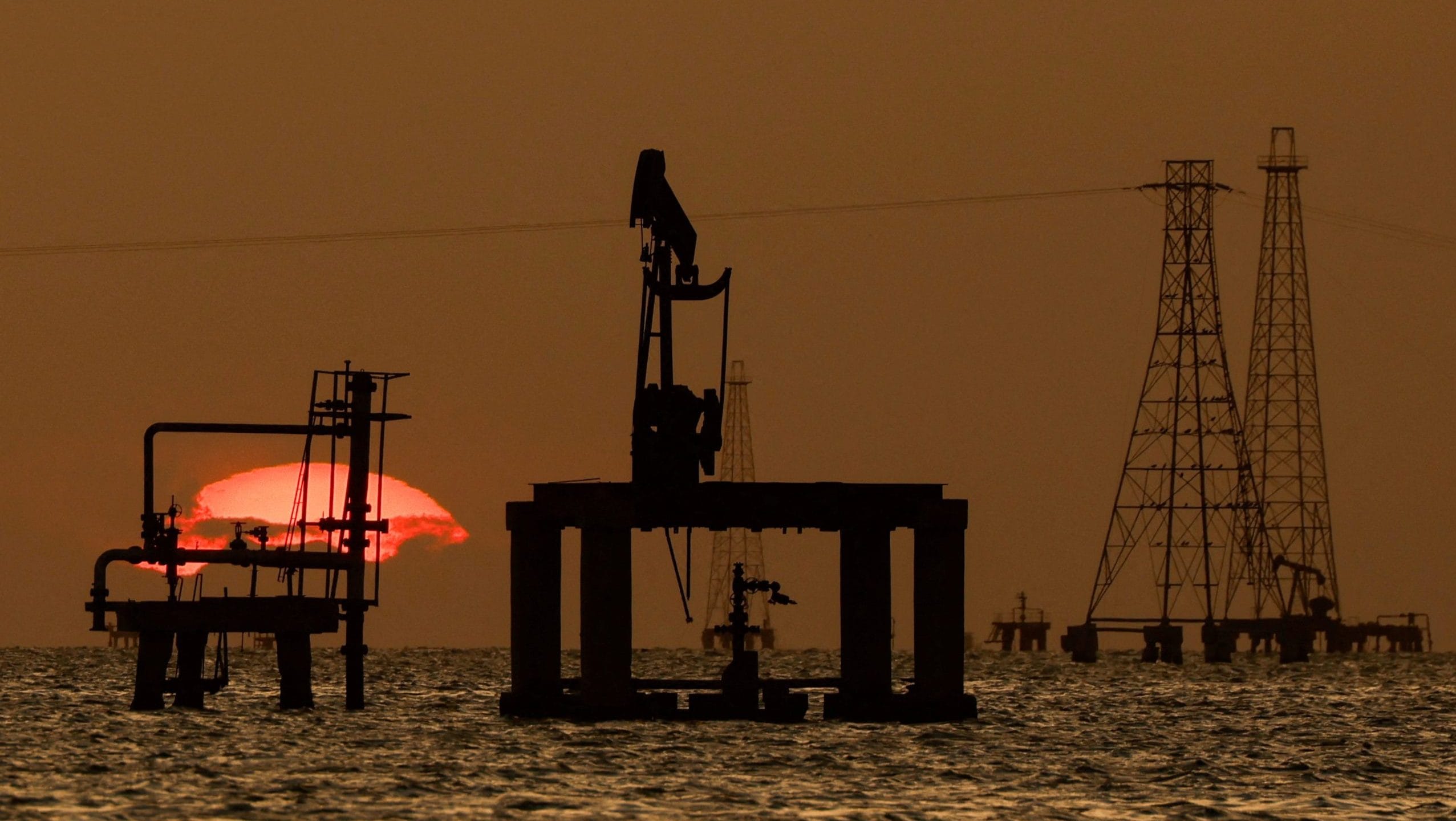
In Venezuela, a company has been given control of more than 17 oilfields.
The United States would receive a financial stake and access to some of the oil.
However, people disagree about whether that Venezuela agreement follows the law.
Iran is different because its government is still in control and the war is continuing.
Iran’s constitution also says foreign countries cannot control its natural resources.
Because of these differences, it is unclear whether the United States could actually carry out Trump’s proposal in Iran.

Donald Trump said the United States could remain in Iran and “keep the oil” as part of a possible war-ending arrangement.
The Venezuela model gives North American Blue Energy Partners control of more than 17 oilfields, while the Pentagon’s Office of Strategic Capital is set to receive a 35% equity stake in its parent company.
The United States would also be able to buy 20% of the Venezuelan oil produced under the agreement at cost.
The Venezuela deal faces disputes over its legality, duration, public tender requirements, and the role of state oil company Petróleos de Venezuela.
Iran’s constitution bars agreements giving foreign powers control over its natural resources, and Iran’s government remains in power while the war continues.
- Who
- US President Donald Trump, the United States, Iran, Venezuela, and companies and government agencies involved in the oil arrangements.
- What
- Trump suggested that the United States could stay in Iran and retain access to its oil, similar to the arrangement pursued in Venezuela.
- Where
- The proposal concerns Iran, while the comparison involves Venezuela and US institutions in Washington.
- When
- Trump made the statement on Sunday, as reported September 14, 2026; the article says the Iran war has entered its seventh month.
- Why
- Trump linked the idea to ending the Iran war and securing a favorable deal, but he did not explain how oil control would work while Iran’s government remains in power.
Supporters or Defenders
Critics and Legal Objections
Venezuela agreement’s legality
Supporters or Defenders
A senior US official said the financial positions granted to the Office of Strategic Capital are consistent with the statute, while Venezuelan lawmaker Elías Matta said Venezuelan law allows private capital and companies to participate in the oil sector.
Critics and Legal Objections
Critics question whether the 100-year concession is constitutional, whether oil rights were awarded without a public tender, and whether the Pentagon office has legal authority to take an equity stake.
Role of Venezuela’s state oil company
Supporters or Defenders
Supporters argue that Venezuela’s constitution and recent legislation permit private companies and investment in the oil sector.
Critics and Legal Objections
Legal expert José Ignacio Hernández said Petróleos de Venezuela must control the industry and that private investors generally must operate through the state company, its subsidiaries, or a joint venture.
Feasibility in Iran
Supporters or Defenders
Trump’s comparison suggests the United States could seek financial interests or privileged access to Iranian oil as part of a future deal.
Critics and Legal Objections
Iran’s government remains in power, the war is ongoing, Trump has not explained how the proposal would work, and Iran’s constitution bars foreign control of natural resources.
Key facts
- Venezuela oilfields
- North American Blue Energy Partners was awarded control of more than 17 oilfields.
- US equity stake
- The Pentagon’s Office of Strategic Capital is due to receive a 35% stake in the corporate parent of North American Blue Energy Partners.
- US oil access
- Washington would be able to buy 20% of the oil produced under the Venezuelan agreement at cost.
- Venezuela concession dispute
- Trump described the arrangement as lasting 100 years, while acting President Delcy Rodríguez said licenses would last 25 years.
- Iranian constitutional restriction
- Article 153 of Iran’s constitution prohibits agreements giving foreign control over the country’s natural resources or economy.
- Iran war status
- The war was described as being in its seventh month, with no immediate end in sight.
Quotes
A senior US official
Unnamed US official defending the legality of the Venezuela arrangement
“We’ll ultimately get out (of Iran), unless we decide to stay and keep the oil like Venezuela”
 news18.com
“All financial positions granted to OSC are consistent with the statute.”
news18.com
Sources
Related news
Trump Announces US Control of Venezuela’s Vast Oil Reserves
Trump Says U.S. Could Stay in Iran and Keep Oil
Trump Announces Major U.S. Control of Venezuelan Oil
Trump Claims Historic Venezuelan Oil Deal Amid Major Uncertainties
Trump Announces Claimed Historic Venezuela Oil Deal Amid Price Surge
Trump Venezuela Oil Deal Gives Pentagon Stake in Fields

Machado Weighs Return as U.S. Urges Venezuela Caution
Blanche Defends Hegseth as Massie Pursues Impeachment Resolution

Trump Floats Staying in Iran as Gulf Attacks Lift Prices