39 mins ago
Nuclear Medicine Gains Ground in Cancer Treatment Across India
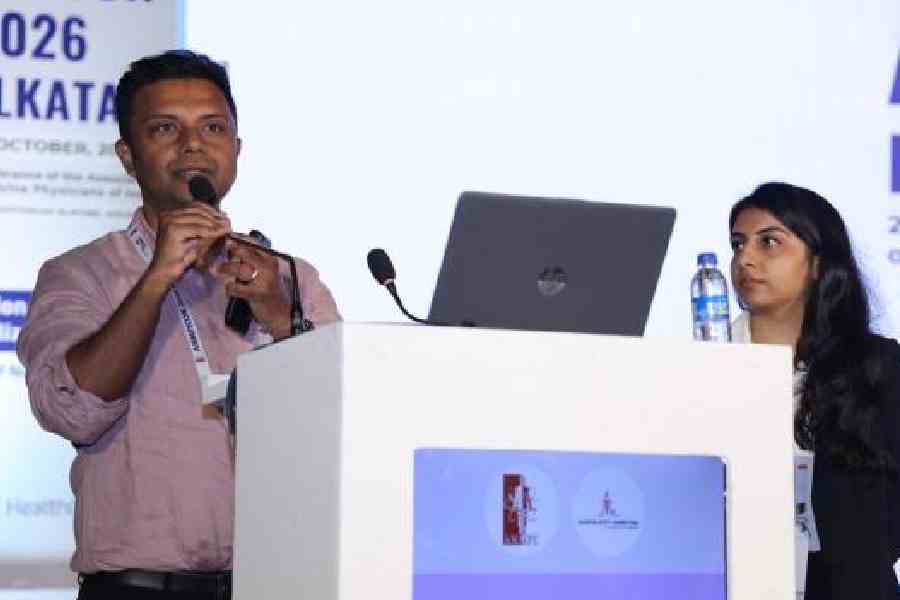
Nuclear medicine uses special medicines that can help doctors find or treat disease.
Specialists met in Calcutta to discuss how it can help people with cancer.
They talked about matching treatment more closely to what is happening inside a patient's body.
One approach, called theranostics, uses scans to help guide targeted treatment.
Some people with advanced prostate cancer are choosing PSMA therapy when other treatments do not work.
Radioactive iodine can be given after surgery to treat thyroid cancer.
Doctors also said PET-CT scans can add useful information to other scans.
Calcutta now has many more PET-CT machines than it did in 2010.
The specialists said there are still too few nuclear medicine doctors.

More than 200 nuclear medicine specialists gathered in Calcutta for the 24th ANMPICON conference.
The conference focused on targeted therapies, precision medicine and treatment options when conventional cancer therapies fail.
Speakers discussed theranostics, which combines diagnostic imaging with targeted treatment.
Doctors said PSMA therapy is increasingly used for advanced prostate cancer when conventional treatment fails; radioactive iodine is used for thyroid cancer after surgery.
Deepanjan Mitra said Calcutta has grown from about one PET-CT machine in 2010 to as many as 30, while specialists remain in short supply.
- Who
- More than 200 nuclear medicine specialists from across India attended, along with health minister Sharadwat Mukherjee and junior minister Indranil Khan.
- What
- The 24th Association of Nuclear Medicine Physicians of India Conference discussed nuclear medicine's role in targeted therapies, precision medicine and cancer treatment.
- Where
- Calcutta.
- When
- The conference was inaugurated on Friday; a regulatory panel discussion was held on Saturday.
- Why
- To discuss the expanding use of nuclear medicine, including targeted cancer treatments and care when conventional therapies fail.
Key facts
- Conference
- 24th edition of the Association of Nuclear Medicine Physicians of India Conference (ANMPICON)
- Attendance
- More than 200 nuclear medicine specialists from across India
- Theranostics
- Combines diagnostic imaging with targeted therapy
- Prostate cancer
- PSMA therapy is increasingly chosen for advanced cases when conventional treatment fails
- Thyroid cancer
- Radioactive iodine is used after surgery instead of conventional chemotherapy or radiotherapy, according to Deepanjan Mitra
- PET-CT machines
- Calcutta had hardly one in 2010; Deepanjan Mitra said the city now has as many as 30
- Workforce concern
- Physicians said nuclear medicine specialists are in short supply
Quotes
Soumendranath Ray
Organising chairperson of the conference.
“There is significant information that a CT or MRI provides, but there is certain adjunct or supplementary information that a PET-CT provides for more precise treatment planning, staging of the disease or evaluating the response to cancer treatment.”
 telegraphindia.com
“We are moving beyond simply asking where the disease is. We are increasingly asking what the disease is at a molecular level and how we can use that knowledge to provide more precise and personalised treatment.”
telegraphindia.com
Sources
Related news

HCG Aastha Cancer Centre Launches Advanced Nuclear Medicine Services
India Weighs Access as AI Makes Radiotherapy More Precise
Experts Say Proper Nutrition Helps Cancer Patients During Treatment

MedGenome Launches Blood Test to Detect Residual Cancer
Nafisa Ali Sodhi Changes Cancer Treatment After Disease Progression
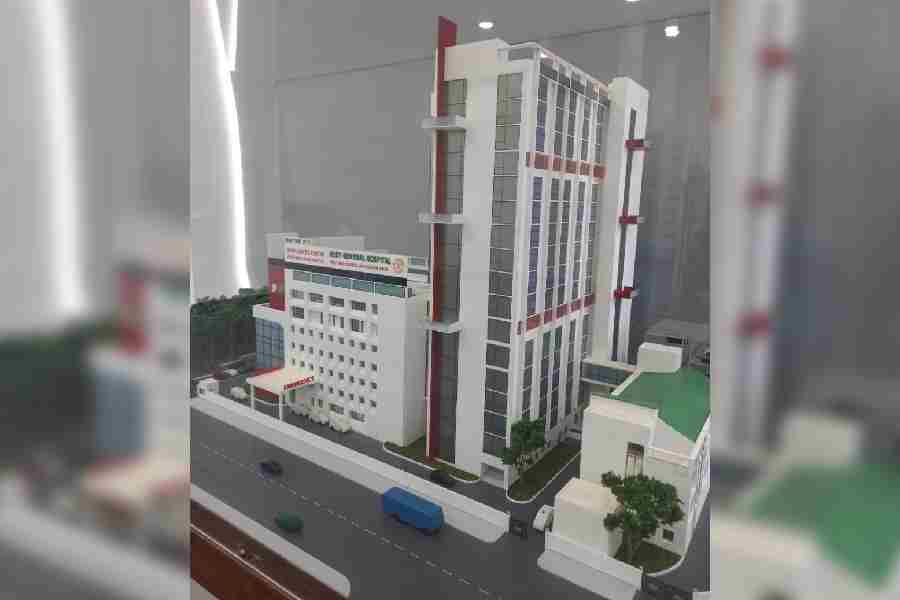
Ruby General Hospital Plans Nine Floors for Cancer Care
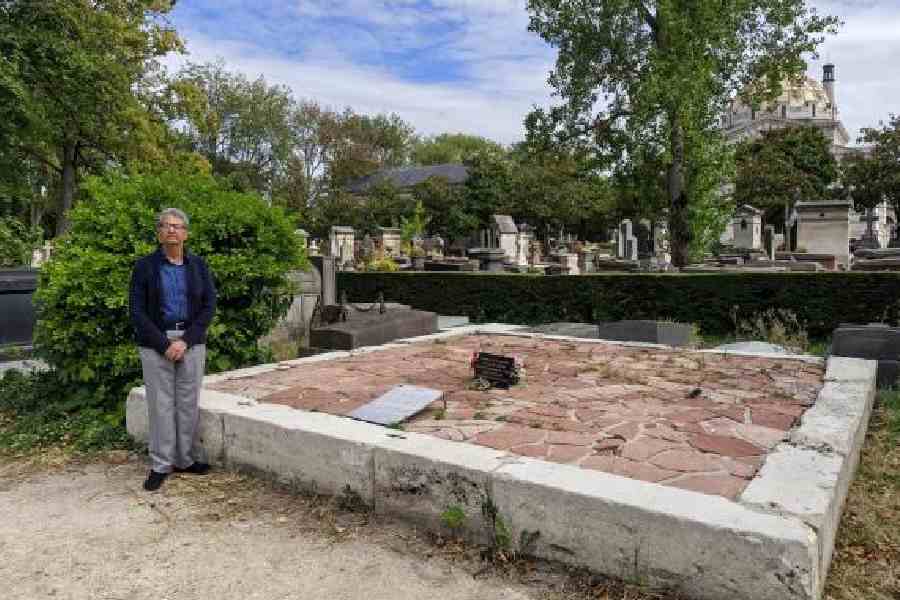
Queen Malika Kishwar’s Journey From Awadh to Paris

Kolkata Traffic Curbs Set for Durga Idol Collection

Brazil Beats India 4-0 in First-Ever Friendly

Unbeaten Punjab FC Face Mohun Bagan in IFA Shield Semifinal