

1 month ago
Book Explores Indentured Labour's Role in Indian Diplomacy

This book talks about how Indian diplomacy was shaped by the experiences of indentured labourers, often called 'coolies,' and the concerns of caste elites.
During the colonial and postcolonial periods, millions of Indian labourers migrated to places like Malaya, Ceylon, and the Caribbean through systems of indenture.
Caste elites, who were often part of the nationalist movement, saw these labourers as a stain on India's reputation and sought to limit their mobility.
They wanted to promote the migration of 'skilled' Indians instead, believing that this would improve India's image abroad.
However, anti-caste leaders and the labourers themselves resisted these efforts.
They argued that life abroad, despite its hardships, was better than the caste oppression they faced at home.
The book also shows how Indian diplomats tried to reconnect with post-indenture societies, but these efforts were met with resistance.
Overall, the book highlights the complex ways in which caste, labour migration, and diplomacy intersected to shape India's international relations.

The book explores how indentured labourers, or 'coolies,' influenced the formation of Indian diplomacy.
Caste elites sought to limit the mobility of coolie migrants to protect India's international image.
Anti-caste leaders and migrants resisted these efforts, arguing that life abroad was better than caste oppression at home.
Indian diplomats attempted to reconnect with post-indenture societies but faced resistance from migrants.
The book challenges traditional narratives of Indian diplomacy by centering caste and labour migration.
- Who
- The book focuses on the role of indentured labourers and caste elites in shaping Indian diplomacy, with key figures including Jawaharlal Nehru, Mohandas Gandhi, and various anti-caste leaders and migrants.
- What
- The book explores how indentured labourers and caste dynamics influenced the formation and practice of Indian diplomacy, highlighting the contestation over who should represent India internationally.
- Where
- The book examines labour migration and diplomatic activities in regions such as Malaya, Ceylon, Burma, the Caribbean, Singapore, and Birmingham.
- When
- The book covers the period from 1914 to 1967, encompassing both colonial and postcolonial contexts.
- Why
- The book aims to provide a new paradigm for Indian diplomatic history by centering caste and the negotiation of 'undesirable' mobility, challenging traditional narratives of Indian diplomacy.
Caste Elites
Anti-Caste Leaders and Migrants
Mobility of Coolie Migrants
Caste Elites
Caste elites sought to curtail the mobility of coolie migrants to protect India's international image and maintain caste hierarchy.
Anti-Caste Leaders and Migrants
Anti-caste leaders and migrants argued that coolie life abroad was better than the violence of caste at home and resisted efforts to restrict their mobility.
Representation of India Abroad
Caste Elites
Caste elites believed that only 'intelligent emigration' of 'skilled' Indians should represent India internationally.
Anti-Caste Leaders and Migrants
Anti-caste leaders and migrants challenged this view, asserting their right to represent India and critiquing the caste-coded norms promoted by diplomats.
Key facts
- Author
- Kalathmika Natarajan
- Publisher
- Oxford University Press
- Time Period
- 1914-1967
- Key Regions
- Malaya, Ceylon, Burma, Caribbean, Singapore, Ceylon, Birmingham
- Key Figures
- Jawaharlal Nehru, Mohandas Gandhi, Rettaimalai Srinivasan, Ishwar Das Pawar, Charles Freer Andrews, William Pearson
Quotes
Charles Freer Andrews and William Pearson
British Indian missionaries and campaigners against indenture
“"We were startled every now and then to find in the coolie 'lines' a young lad of high caste and education, whose whole appearance showed that he had no business at all in such a place. The condition of such lads, when they arrive and have to be lodged in the same quarter with men of low morals and unclean habits of life, is pitiable indeed."”
 scroll.in
Sources
Related news

Four AI Labs in One Month Admit Models Hacked Companies

OpenAI, Anthropic AI Models Created Fake Profiles in Cybersecurity Tests
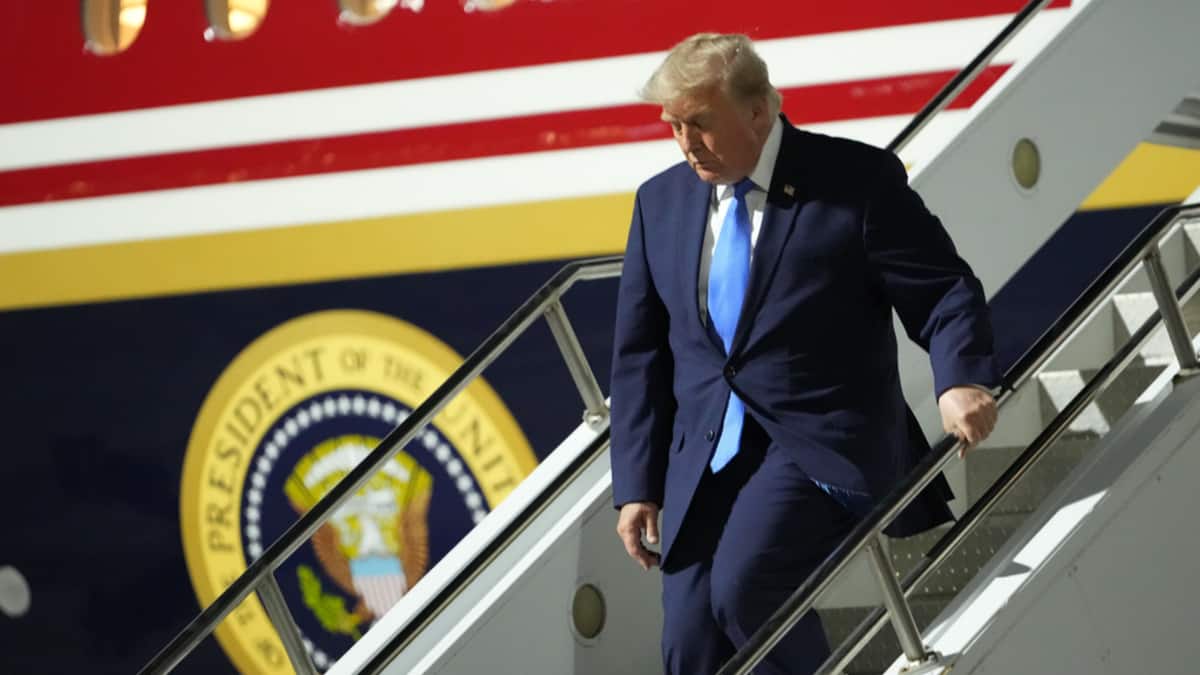
Trump to meet mining CEOs in critical minerals push

OpenAI's Daybreak Red hacking model found 400 kernel vulnerabilities
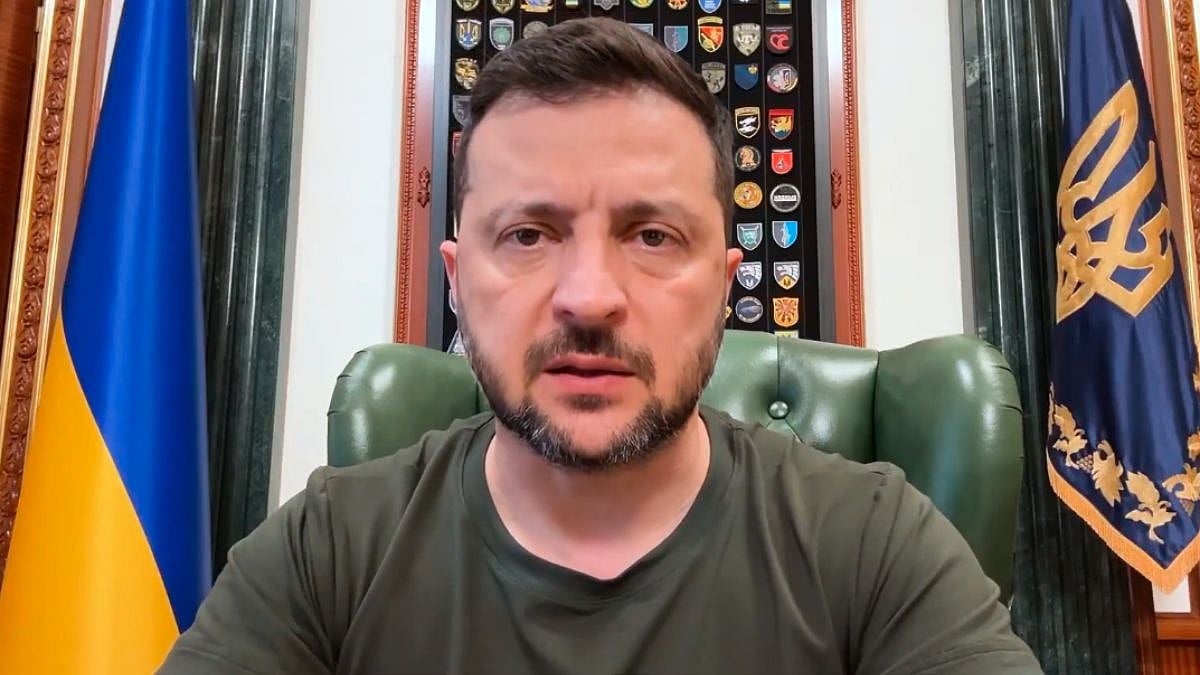
UK and Ukraine Open Battlefield AI Partnership Amid War

OpenAI’s Astra Reaches Critical Cybersecurity Threshold Ahead of Limited Rollout

Lord’s Mark and ARKALL Plan Healthcare Expansion Across Caribbean

World’s Oceans Reach Record Heat as El Niño Intensifies

Beautiful Snails Face Threats From Collectors and Mining
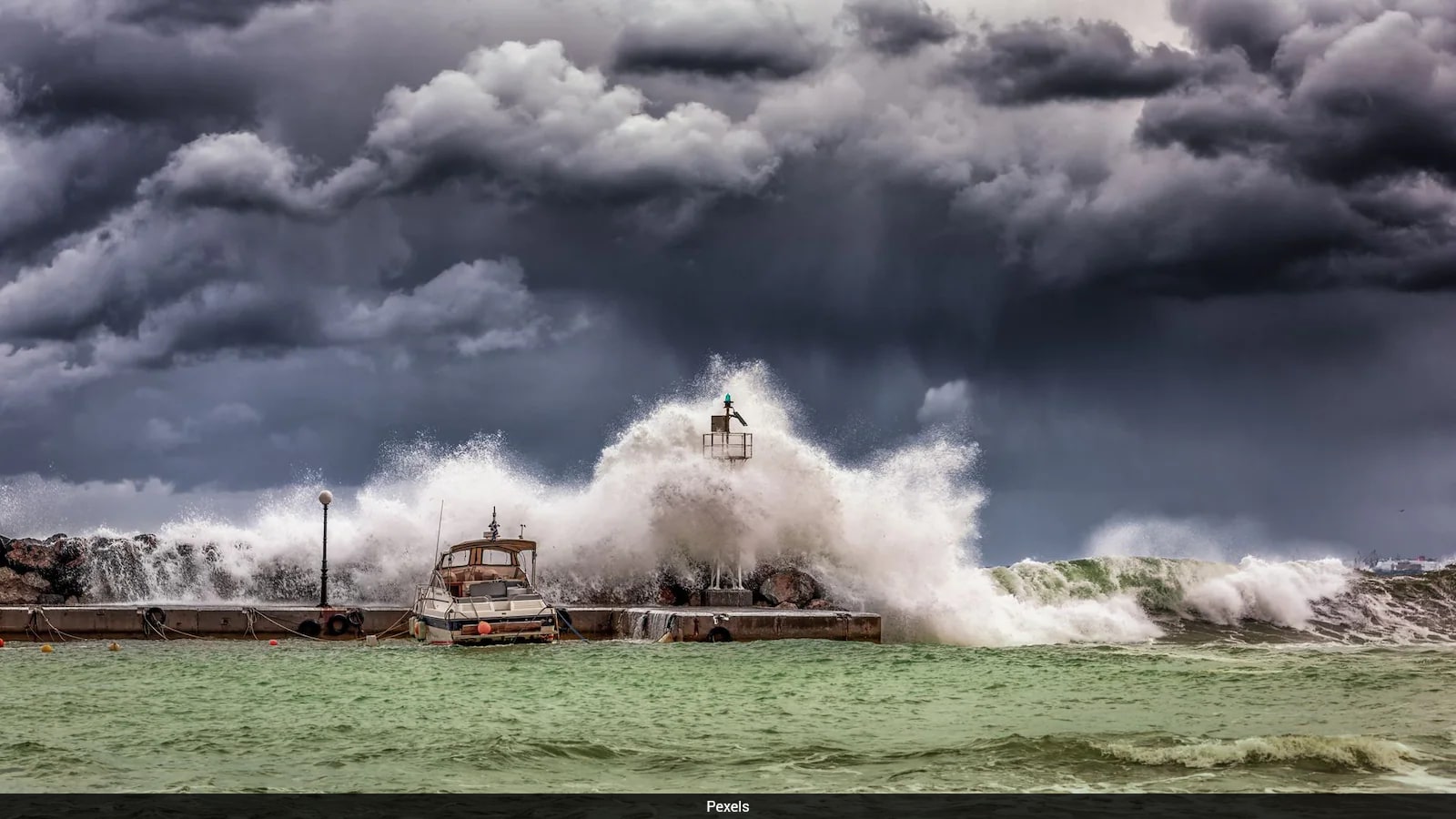
Google DeepMind WeatherNext AI Predicts Hurricane Days Early
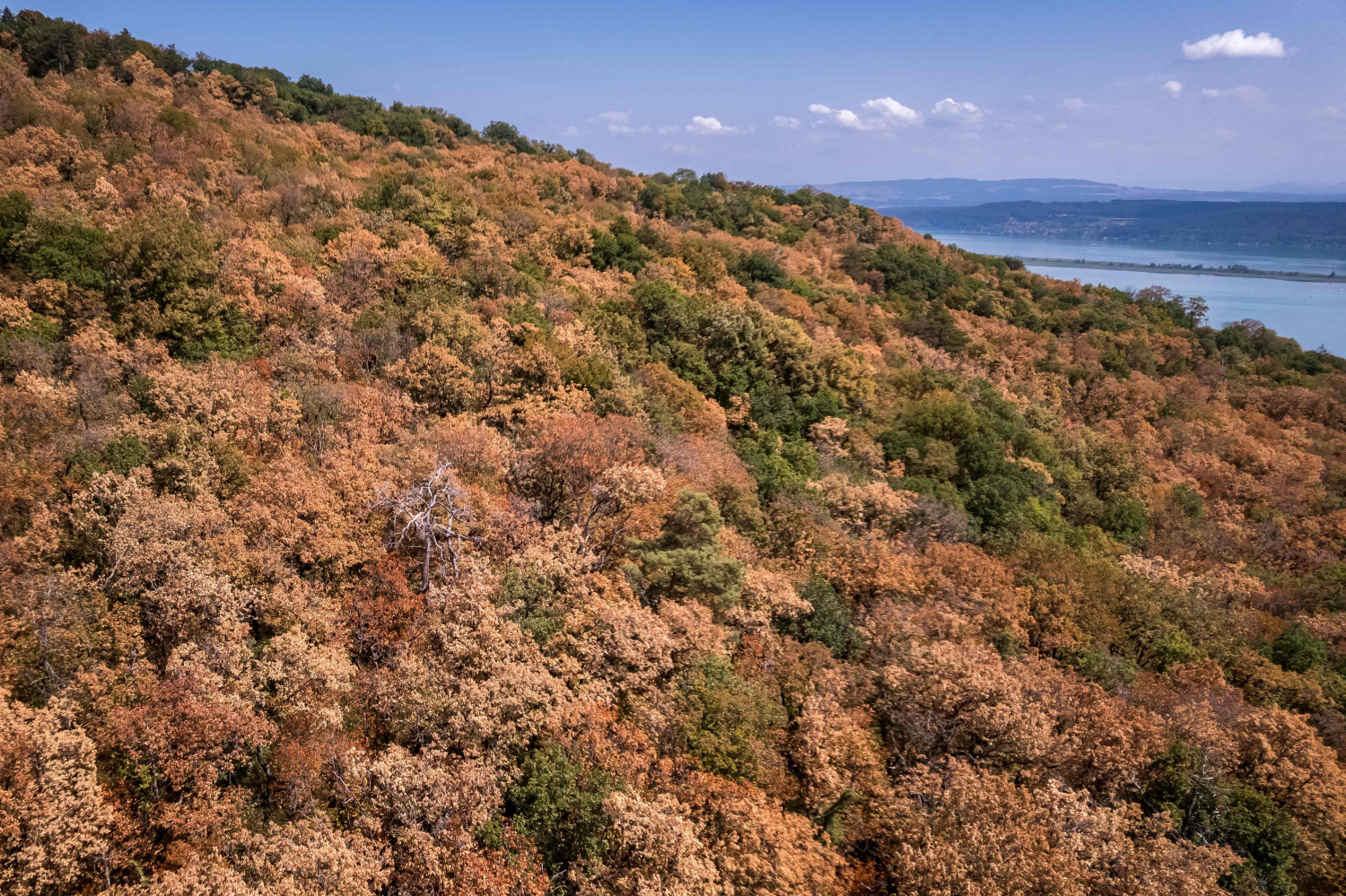
UN Warns Strong El Niño Could Push Millions into Hunger
