3 hrs ago
A Decade After Kathmandu, Can SAARC Find Its Way Back?

SAARC is a group meant to help South Asian countries work together.
Its leaders last met in 2014, and later meetings have not happened.
India says terrorism linked to Pakistan made a planned summit in Islamabad impossible after an attack in 2016.
The group’s rules also mean every member must agree on important decisions.
Bangladesh and the Maldives want the group to meet again, while India says cooperation depends on Pakistan changing its approach to terrorism.
The article argues that countries could restart some work without first holding a leaders’ summit.
It suggests smaller groups work on practical issues such as disasters and food supplies.
Its author warns that if SAARC stays inactive, other powers may gain more influence in the region.

SAARC’s last leaders’ summit was held in Kathmandu on November 27, 2014; the article says no summit has taken place in the 12 years since.
After the 2016 Uri attack, India said cross-border terrorism made the planned Islamabad summit impossible, and several members withdrew.
The article says SAARC’s unanimity rule allows any member to block decisions, while its charter excludes bilateral and contentious issues.
Bangladesh and the Maldives have called for revival, while India says Pakistan must stop using terrorism as state policy for cooperation to resume.
The author proposes ministerial meetings, issue-specific action committees, a transfer of the chair from Nepal, and limited participation that does not replace SAARC.
- Who
- The eight SAARC member countries, including India, Pakistan, Bangladesh, Nepal and the Maldives.
- What
- The article argues that SAARC has been inactive at the summit level for a decade and proposes ways to revive its work.
- Where
- South Asia; the last SAARC summit was in Kathmandu, Nepal.
- When
- The last leaders’ summit was on November 27, 2014; the planned Islamabad summit was halted after the September 18, 2016 Uri attack.
- Why
- The article attributes the impasse to India-Pakistan tensions over terrorism and SAARC’s unanimity rule, which allows any member to block decisions.
Arguments for reviving SAARC
India’s stated concern
Whether to restart regional cooperation
Arguments for reviving SAARC
Bangladesh and the Maldives have called for SAARC’s revival; the author argues that practical cooperation could resume without an immediate leaders’ summit.
India’s stated concern
India says cooperation requires goodwill and that Pakistan must abandon terrorism as an instrument of state policy.
How to handle blocked participation
Arguments for reviving SAARC
The author proposes using charter provisions for issue-specific action committees and allowing willing members to proceed on projects.
India’s stated concern
The article says SAARC requires unanimity for important agreements, while India considers an Islamabad summit impossible under current conditions.
Key facts
- Last SAARC summit
- November 27, 2014, in Kathmandu
- SAARC members
- Eight countries
- Charter rule
- Article X requires unanimity and excludes bilateral and contentious issues.
- Uri attack
- September 18, 2016; India cited cross-border terrorism in opposing the planned Islamabad summit.
- Informal ministerial meetings
- The article says foreign ministers met informally alongside the UN General Assembly until 2021.
- Regional trade
- The article says intra-regional trade is under six per cent of the region’s total.
- Proposed approach
- The author recommends restarting ministerial and issue-specific work under the SAARC charter.
Quotes

Atal Bihari Vajpayee
Former Indian prime minister, quoted for his remarks about neighbouring countries.
“Friends can change, not neighbours.”
 deccanchronicle.com
Sources
Related news

India’s BRICS moment puts South Asian neighbours on alert
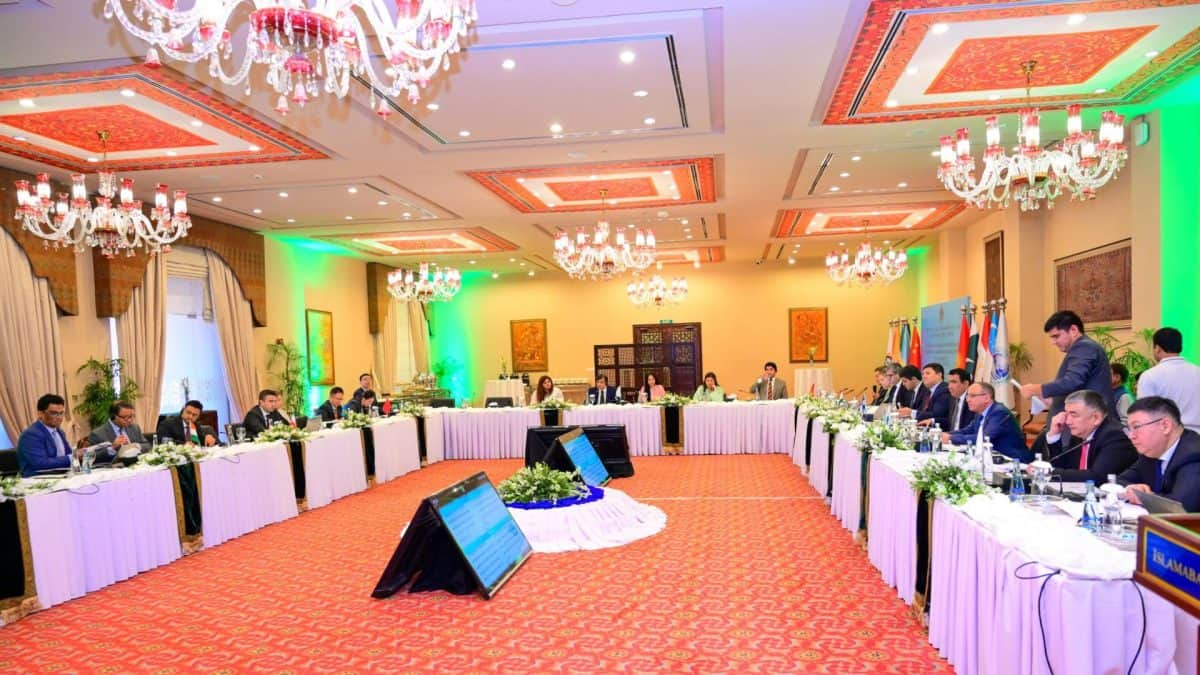
India Joins SCO Planning Meeting as Pakistan Begins Chairmanship

India Joins Pakistan-Hosted SCO Talks Despite Bilateral Tensions
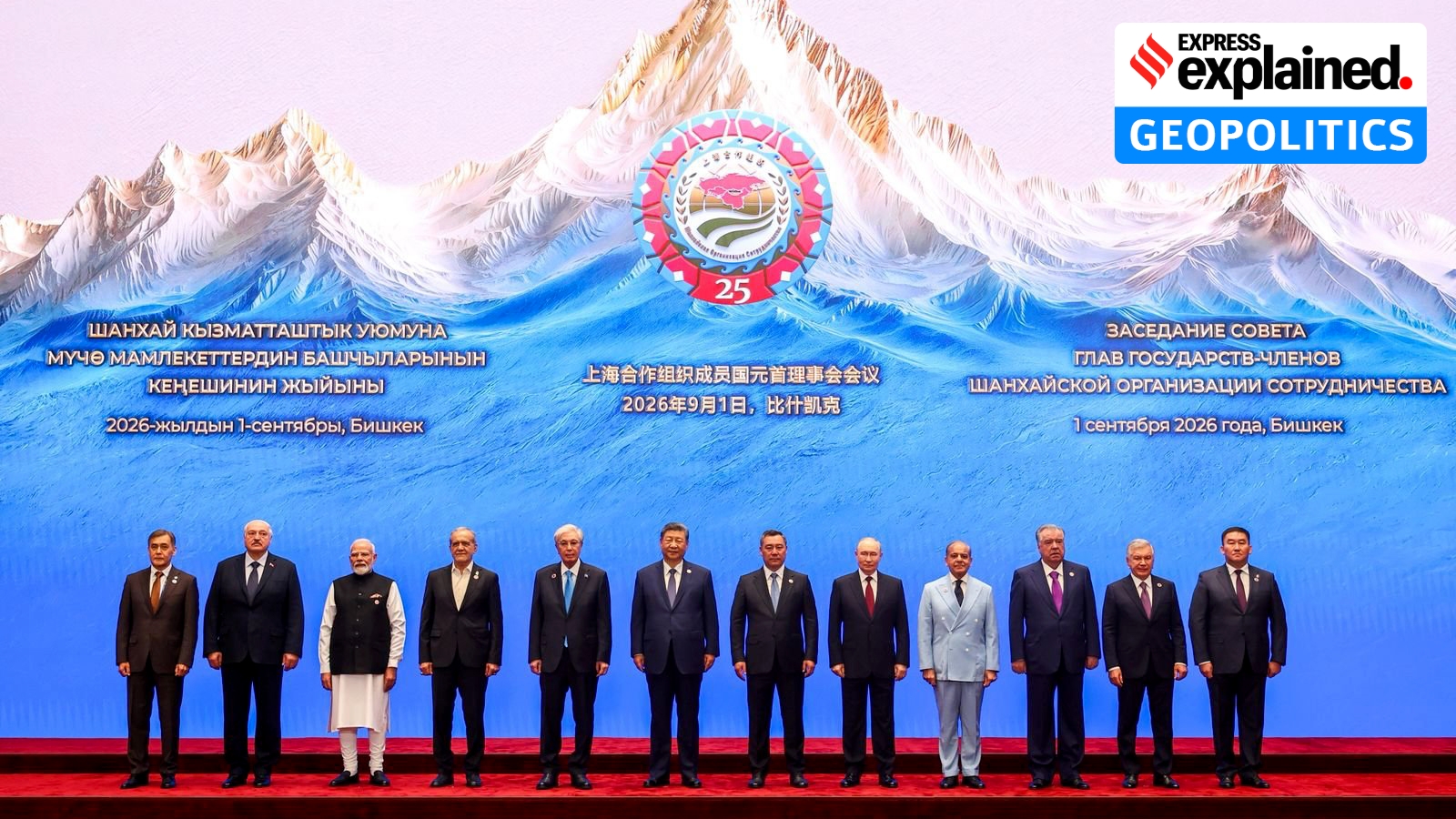
Why SCO Matters to India Beyond Soft Power
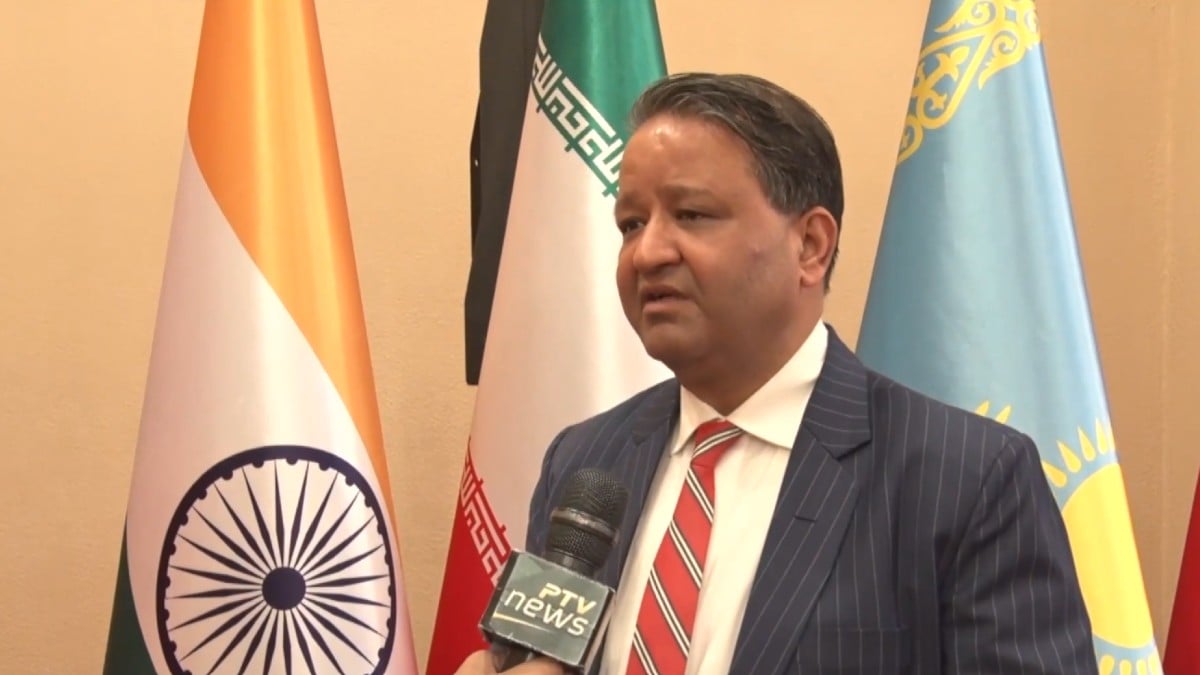
Indian SCO Coordinator Expresses Interest in Visiting Lahore

India Attends Pakistan-Hosted SCO Meeting Ahead of 2027 Summit

Sherfane Rutherford Dismissal Controversy Puts Third Umpire Under Scrutiny
Seven Idols Vandalised at Bangladesh Temple Ahead of Durga Puja
Dengue and Measles Outbreaks Strain Bangladesh’s Healthcare System
India Gives No Timetable for Sheikh Hasina’s Extradition