5 hrs ago
Why Rani Mukerji’s Green Sari Was Mistaken for Paithani

Rani Mukerji wore a beautiful dark green silk sari.
Some people thought it was a Paithani sari.
Experts explained that colour and a shiny golden border do not prove that a sari is Paithani.
Paithani is made using special handweaving methods, silk, zari and traditional designs.
Its borders and pallu are especially important clues.
Designs such as peacocks, lotuses, mangoes and parrots are often woven into it.
The name Paithani comes from Paithan in Maharashtra.
The textile received a Geographical Indication tag in 2010.

Rani Mukerji wore a dark green zari kattam kanchi, or Kanjivaram, silk sari that was mistaken for a Paithani.
Paithani is identified by its weaving technique, silk, zari, motifs, pallu and border construction—not by colour alone.
Traditional Paithani saris use fine mulberry silk, zari and tapestry-style handweaving with coloured threads interlocked during weaving.
Common Paithani motifs include peacocks, lotuses, mangoes, parrots and asawali floral designs.
Paithani takes its name from Paithan in Maharashtra and received an official Geographical Indication tag in 2010.
- Who
- Rani Mukerji wore the sari; textile experts Yash Sahu and Nien Siao explained how Paithani is identified.
- What
- A dark green Kanjivaram silk sari was mistaken for a Paithani, prompting an explanation of Paithani’s defining features.
- Where
- Paithani is primarily woven in Paithan taluka of Chhatrapati Sambhajinagar district and Yeola taluka of Nashik district, Maharashtra.
- When
- The article notes that Paithani received its official Geographical Indication tag in 2010 and discusses its historical development over several periods.
- Why
- The sari was misidentified because green colour and zari can appear in different weaving traditions, while Paithani depends on its specific construction and handwoven motifs.
Key facts
- Textile
- Paithani
- Geographical origin
- Paithan and Yeola in Maharashtra
- GI tag
- Officially received in 2010
- Traditional materials
- Fine mulberry silk and zari
- Signature technique
- Tapestry-style handweaving with coloured threads interlocked during weaving
- Common motifs
- Peacock, lotus, mango, parrot and asawali floral designs
- Historical name
- The name is linked to Paithan, known in antiquity as Pratishthana
Quotes
Nien Siao
Dean at JS Institute of Design, New Delhi
“One of its defining characteristics is its tapestry-style handweaving technique. The decorative motifs are not printed or simply embroidered onto the finished fabric. Instead, they are painstakingly created during the weaving process itself, with coloured threads interlocked by hand using small bobbins traditionally known as kakda.”
 indianexpress.com
Yash Sahu
Academic Lead and Design Faculty at IMS Design and Innovation Academy, Noida
“You can make a dark green sari in powerloom polyester, in machine-made silk, or in another weaving tradition altogether. It doesn’t become Paithani because you add a golden border.”
indianexpress.com
Sources
Related news

Radhika Ambani Performs in Jewel Pink Kanjeevaram Ensemble

Nita Ambani Unveils Pattachitra Sari Celebrating Odisha Heritage
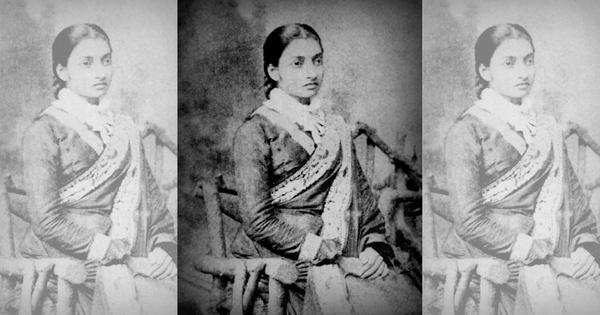
New Book Traces the Sari’s History, Skills and Livelihoods
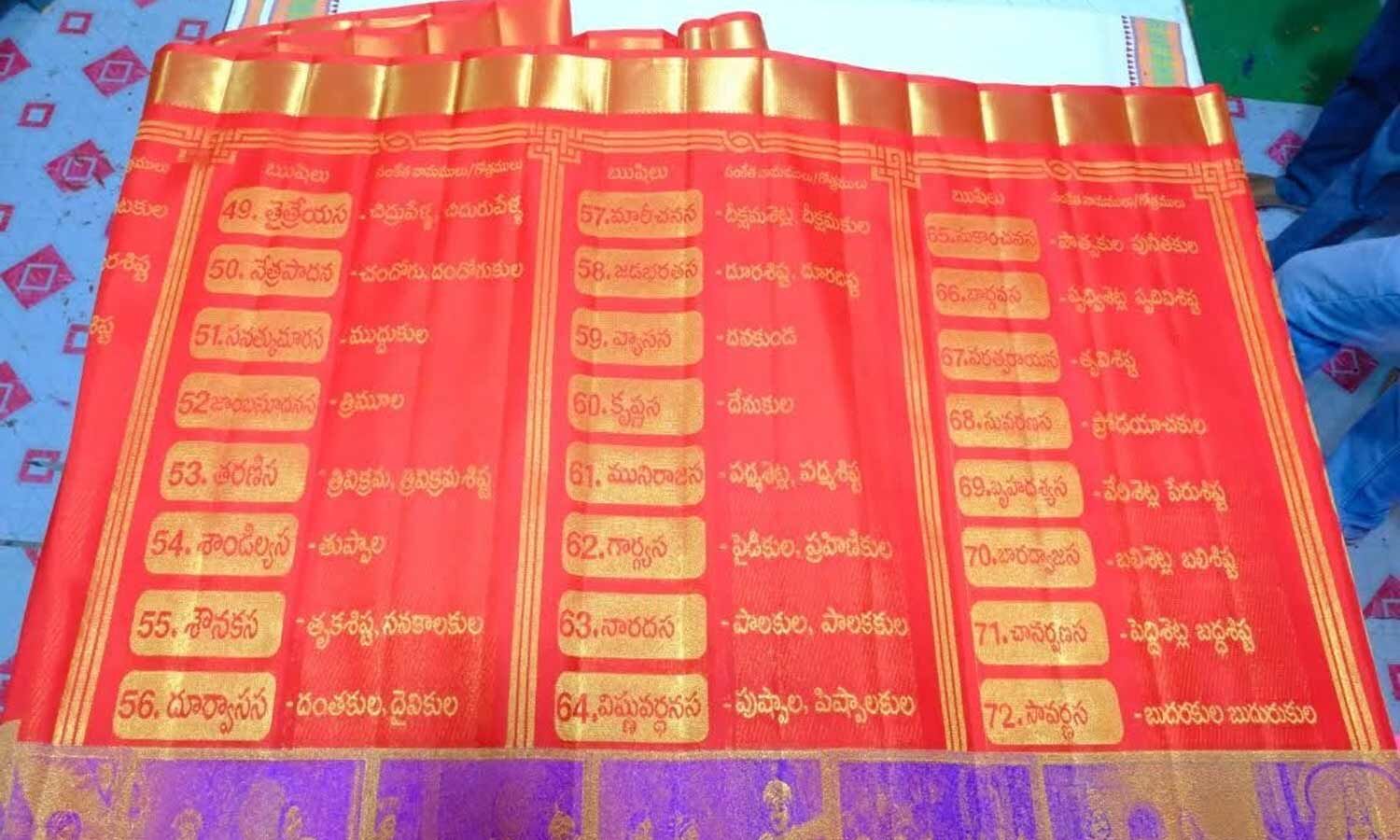
Sircilla Weaver Creates Heritage Silk Saree Honoring Vasavi Kanyaka Parameshwari
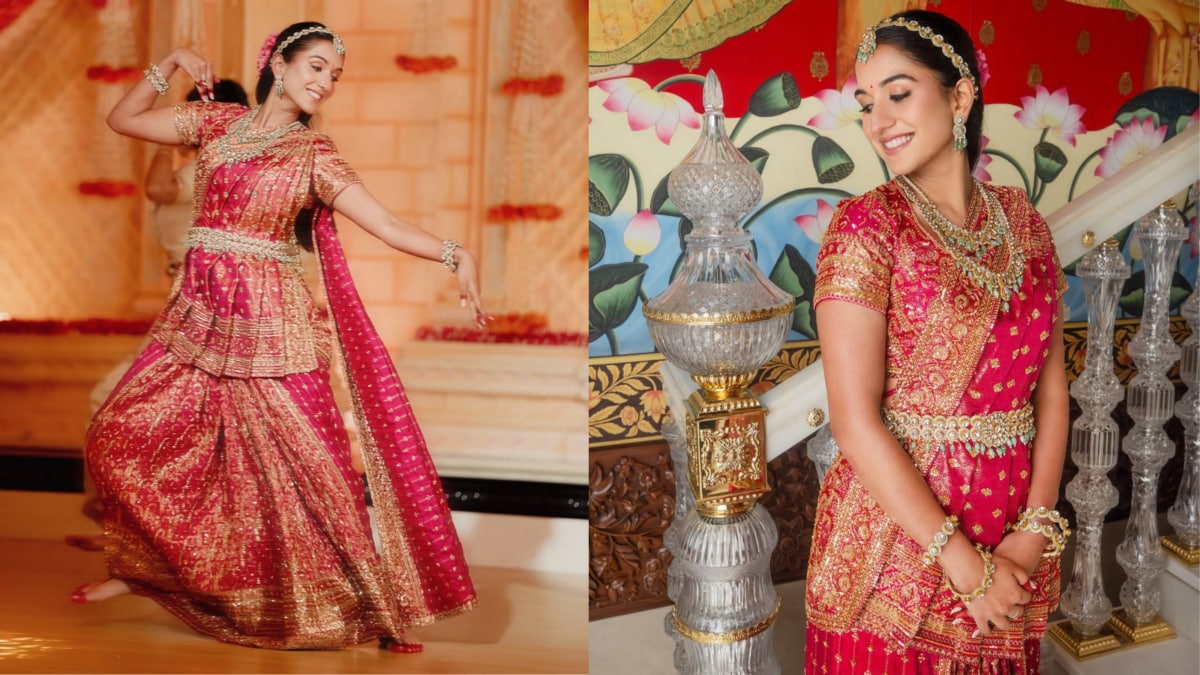
Radhika Ambani Marks Ganesh Chaturthi in Pink Kanjeevaram

Prada's Kolhapuri Chappals Spark Debate on Indian GI Products