

22 hrs ago
Ecuador Defends U.S. Sinkings as Joint Drug Probe

Ecuador says the United States sank three boats after investigating possible drug trafficking.
Ecuador’s interior minister said the countries worked together to learn what the boats were doing.
The U.S. military said the boats helped refuel smaller speedboats carrying drugs.
It linked the vessels to the Los Choneros gang.
Some crew members were removed before the boats were destroyed.
Twenty-eight people from two boats were expected to be taken to Manta.
The broader U.S. campaign has reportedly destroyed about 70 vessels and killed more than 220 people.
Human-rights groups and some Latin American leaders say these attacks may be unlawful killings.

Ecuador defended U.S. operations that intercepted and sank three Ecuadorean vessels this week.
Interior Minister John Reimberg said the actions followed joint investigations targeting drug-trafficking logistics.
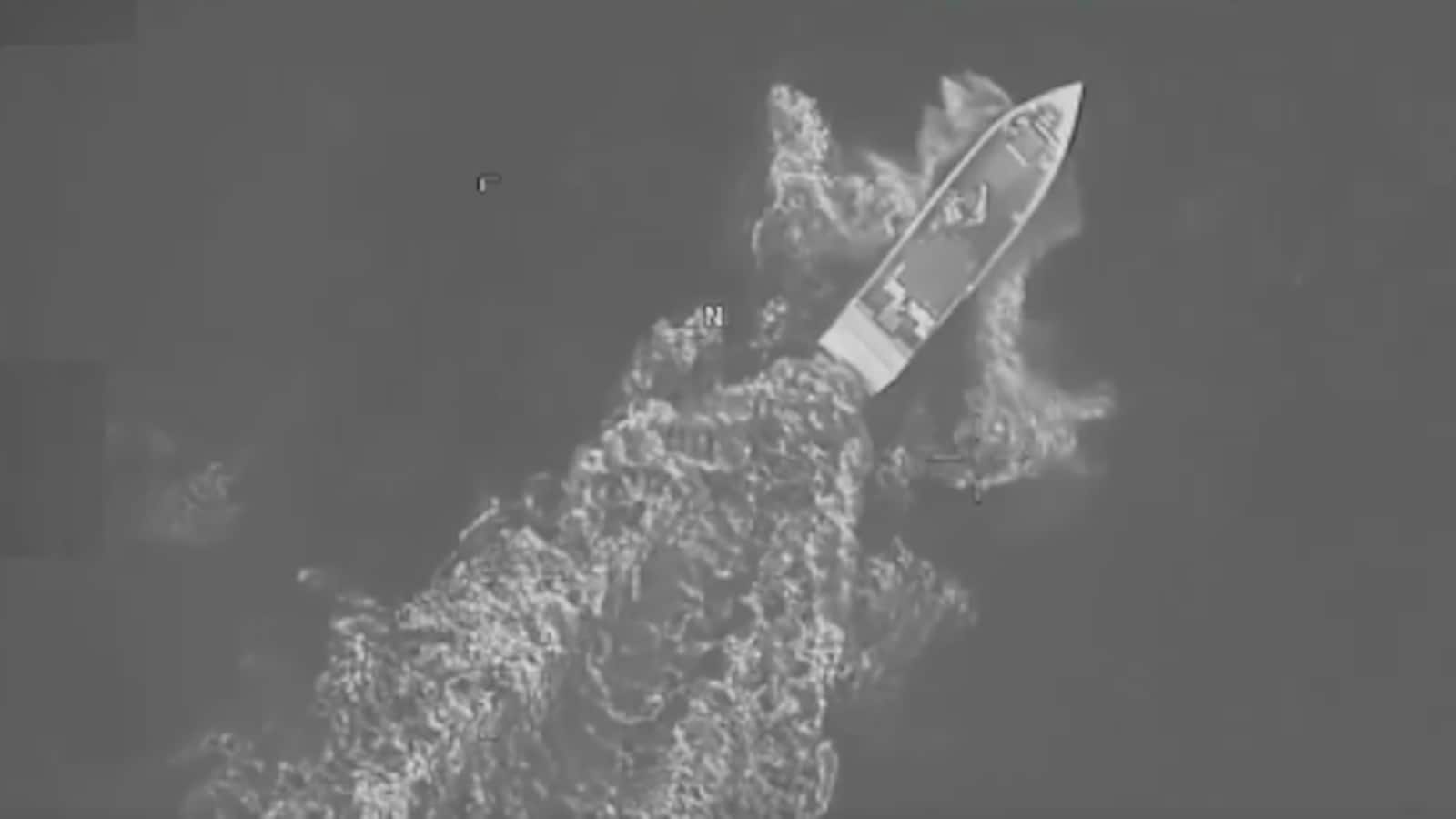
The U.S. Southern Command said the boats served as refueling stations for Los Choneros.
Twenty-eight crew members from two vessels were expected to be transferred to Manta.
Operation Southern Spear has reportedly destroyed about 70 vessels and killed more than 220 people, drawing human-rights criticism.
- Who
- Ecuadorian authorities, the U.S. military, the Los Choneros gang, and crews aboard three Ecuadorean vessels.
- What
- Three Ecuadorean vessels were intercepted and sunk during operations Ecuador described as part of a joint drug-trafficking investigation.
- Where
- The operations involved Ecuadorean vessels; 28 crew members were expected to be transferred to Manta, Ecuador, while drug routes reportedly extended toward Mexican ports and the United States.
- When
- The vessels were intercepted and sunk during the week reported on Friday, September 4; the broader campaign occurred over the past year.
- Why
- Ecuador and the United States said the operations aimed to disrupt drug shipments and the logistics supporting them.
Supporters of the operations
Critics of the operations
Legitimacy of the sinkings
Supporters of the operations
Ecuador said the actions resulted from international cooperation and joint investigations to disrupt drug trafficking. The U.S. Southern Command said the vessels supported the Los Choneros gang.
Critics of the operations
Human-rights groups and some Latin American leaders criticized the broader strikes as extrajudicial killings.
Use of force
Supporters of the operations
U.S. forces removed occupants before posting videos showing the vessels being blown up, according to the report.
Critics of the operations
Critics object to the destruction of vessels and the deaths associated with the broader campaign, which reportedly killed more than 220 people.
Attribution of other incidents
Supporters of the operations
Ecuador defended the three latest operations as part of a cooperative investigation involving the United States.
Critics of the operations
The U.S. government has not claimed three other attacks this year that reportedly bore the hallmarks of U.S. strikes against fishing vessels from Ecuador’s Manabi province.
Key facts
- Vessels sunk
- Three Ecuadorean vessels were intercepted and sunk this week.
- People transferred
- Twenty-eight crew members from two vessels were expected to be transferred to Manta.
- Alleged use of vessels
- The U.S. Southern Command said the boats were refueling stations for drug trafficking.
- Gang identified
- The vessels were attributed by the U.S. Southern Command to Los Choneros.
- Broader campaign
- Operation Southern Spear has reportedly destroyed about 70 vessels and killed more than 220 people over the past year.
- Drug route described
- Ecuador’s interior minister said refueling stations help speedboats transport drugs to Mexican ports and then to the United States.
Quotes
John Reimberg
Ecuador’s interior minister
“These are investigations conducted with the United States precisely to determine what these vessels are doing, the logistics they are providing, so that drug shipments can ultimately be disrupted”
 theprint.in
“This is work carried out through international cooperation. This is not something where action is taken lightly or the first time something suspicious is seen.”
theprint.in
Sources
Related news

US destroys third suspected drug-trafficking vessel in Eastern Pacific
Ecuador fishermen stuck between cartel extortion and US airstrikes
US Military Strike on Caribbean Boat Kills Four
U.S. Strike on Eastern Pacific Vessel Kills Two
US Resumes Pacific Boat Strikes, Killing Two Sailors
Six dead in Houthi Red Sea attack; US strikes Iran-bound vessel

El Nino Favoured for Southern Command Gold Trophy at Pune
