2 weeks ago
Ecuador fishermen stuck between cartel extortion and US airstrikes

Fishermen in a part of Ecuador called Manabi go out to sea in small boats to catch fish like tuna.
But lately, their work has become very dangerous.
Criminal groups called drug cartels tell the fishermen they must pay $1,200 in money every time they want to fish.
If the fishermen refuse, they are threatened with violence against themselves and their families.
The cartels also offer them lots of money to hide drugs in their boats, but that is against the law and very unsafe.
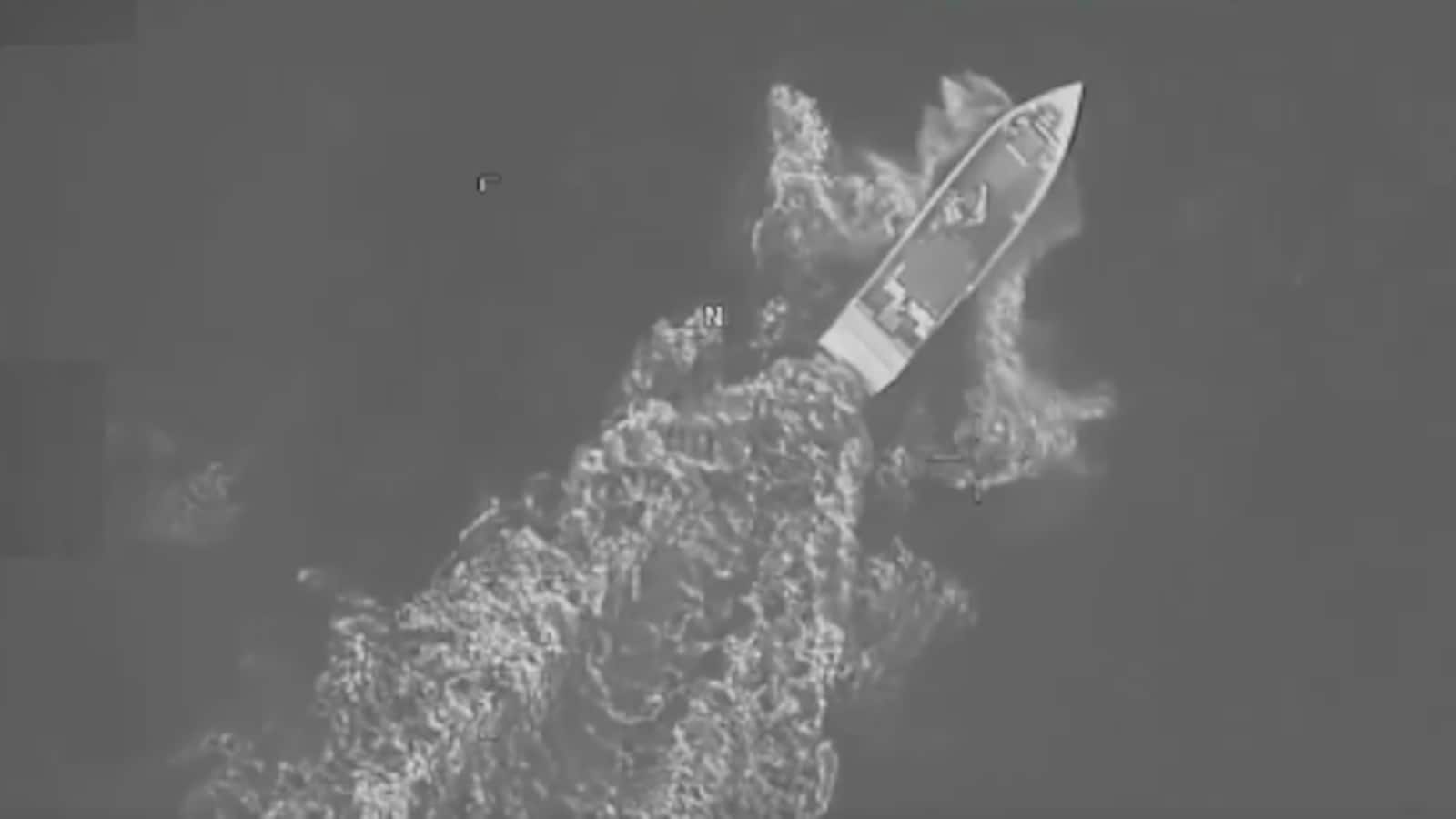
Meanwhile, the United States military is attacking boats at sea because it thinks they are carrying drugs.
The US says it has destroyed 67 boats and killed more than 220 people.
Some fishermen say their boats were attacked even though they were not carrying any drugs at all.
One fishing boat was set on fire, so the crew had to jump into the ocean to save themselves.
Now many fishermen in the area are too scared to go out and fish anymore.

US military destroyed 67 vessels and killed more than 220 people since last September under Operation Southern Spear, targeting alleged narco-terrorists.
Cartels Los Choneros and Los Lobos extort Ecuadorian fishermen in Manabi province, charging $1,200 per fishing trip or offering up to $40,000 a trip to smuggle cocaine.
Survivors of fishing boats Negra Francisca Duarte II and Don Maca say their vessels were struck by drones despite carrying no drugs, and they were taken to El Salvador by a Salvadoran navy vessel.
At least eight fishermen from a third vessel, the Fiorella, have been missing since January.
Three security experts said the US was almost certainly responsible for the attacks, while US Southern Command declined to comment, citing operational security.
- Who
- Ecuadorian fishermen in Manabi province; drug cartels Los Choneros and Los Lobos; the US military conducting Operation Southern Spear.
- What
- Fishermen face extortion or forced cocaine smuggling by cartels while US airstrikes target vessels at sea, destroying 67 boats and killing more than 220 people since last September.
- Where
- Ecuador's Pacific coast, including the Manabi province towns of San Mateo, Jaramijo and Manta, and the eastern Pacific.
- When
- Since September last year; the Negra Francisca Duarte II was attacked on March 17 and the Don Maca nine days later; the Fiorella crew has been missing since January.
- Why
- The United States, Ecuador and El Salvador stepped up maritime counter-narcotics cooperation to stop cocaine trafficking, while cartels recruit and extort skilled fishermen for smuggling.
Critics of the boat-strike campaign
US and Ecuadorian officials
Effectiveness of naval strikes
Critics of the boat-strike campaign
Former DEA official Mike Vigil says 'blowing up these boats is not going to stop anything' because traffickers easily replace killed or arrested fishermen, and most cocaine still moves through big commercial ports.
US and Ecuadorian officials
The US and Ecuador say high-seas interdictions are critical to fight drug traffickers, and Defense Secretary Pete Hegseth said Southern Spear would 'secure our Homeland from the drugs that are killing our people.'
Civilian casualties
Critics of the boat-strike campaign
Survivors and the Permanent Committee on Human Rights say drone strikes hit innocent fishing crews, including a boat searched and cleared by Ecuador's Coast Guard hours before the attack, and The Washington Post reported the strikes were part of a covert CIA program.
US and Ecuadorian officials
The US Southern Command describes the strikes as targeting alleged narco-terrorists and declined to comment on the specific attacks, citing 'operational security and force protection reasons.'
Key facts
- Operation
- Operation Southern Spear
- Vessels destroyed by US
- 67
- People killed
- More than 220
- Extortion fee per trip
- $1,200
- Smuggling earnings per trip
- Up to $40,000
- Cartels involved
- Los Choneros (Sinaloa-linked) and Los Lobos (Jalisco New Generation-linked)
- US Coast Guard cocaine seizures
- 91,000 kg through April
- Missing Fiorella crew members
- At least 8 fishermen since January
Quotes
Simon Villacreses
Ecuadorian fisherman and survivor of a U.S. drone strike
“They started pointing guns at us. They took us aboard, put hoods over our heads and tied our hands behind our backs.”
 theprint.in
“We are fishermen. The Ecuadorean coast guard boarded us, searched us, found nothing.”
theprint.in
Mike Vigil
Former DEA international operations chief
“There was "abundant evidence" that the U.S. Southern Command carried out the boat strikes from the survivors’ testimony and what he called a "distinctive military footprint."”
theprint.in
Sources
Related news
US Military Strike on Caribbean Boat Kills Four
U.S. Strike on Eastern Pacific Vessel Kills Two
US Resumes Pacific Boat Strikes, Killing Two Sailors

Ecuador seizes cocaine packages bearing Erling Haaland's image
Six dead in Houthi Red Sea attack; US strikes Iran-bound vessel
Costa Rica Extradites Two Alleged Drug Traffickers to the US
Sri Lanka Seizes Nearly Half Ton of Methamphetamine in Colombo

Dwayne Johnson Honors Late Father Rocky Johnson’s Birthday

Hayden Panettiere’s Mother Speaks After Actress’ Death

Hayden Panettiere’s Life, Struggles and Death Remain Under Investigation