2 hrs ago
Microsoft AI Chief Rejects China Argument Against Regulation
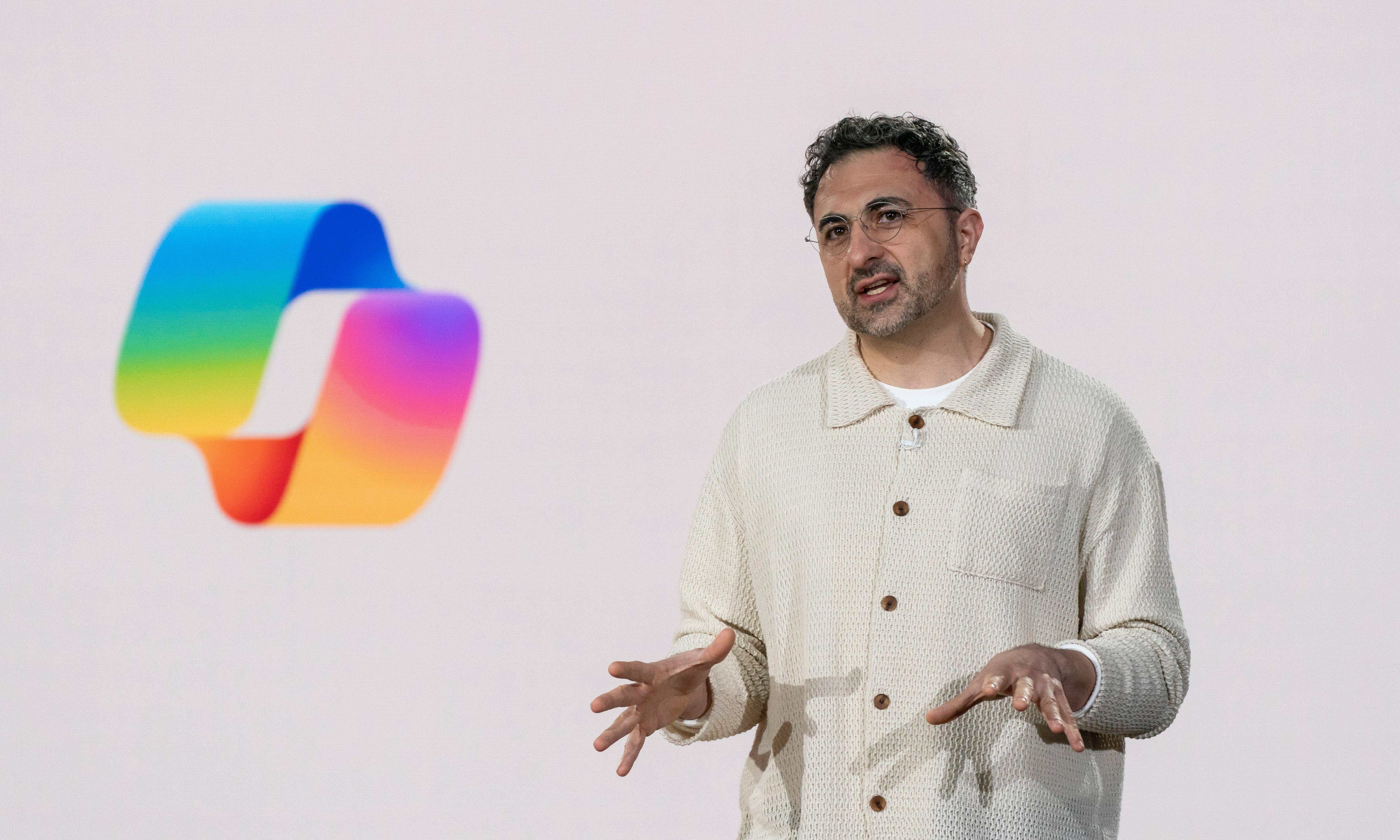
Microsoft AI chief Mustafa Suleyman says the United States should not avoid AI safety rules just because China is advancing quickly.
He says AI systems should have clear limits and remain under human control.
Suleyman believes regulation can create shared safety standards.
He also says those standards do not have to stop companies from moving quickly.
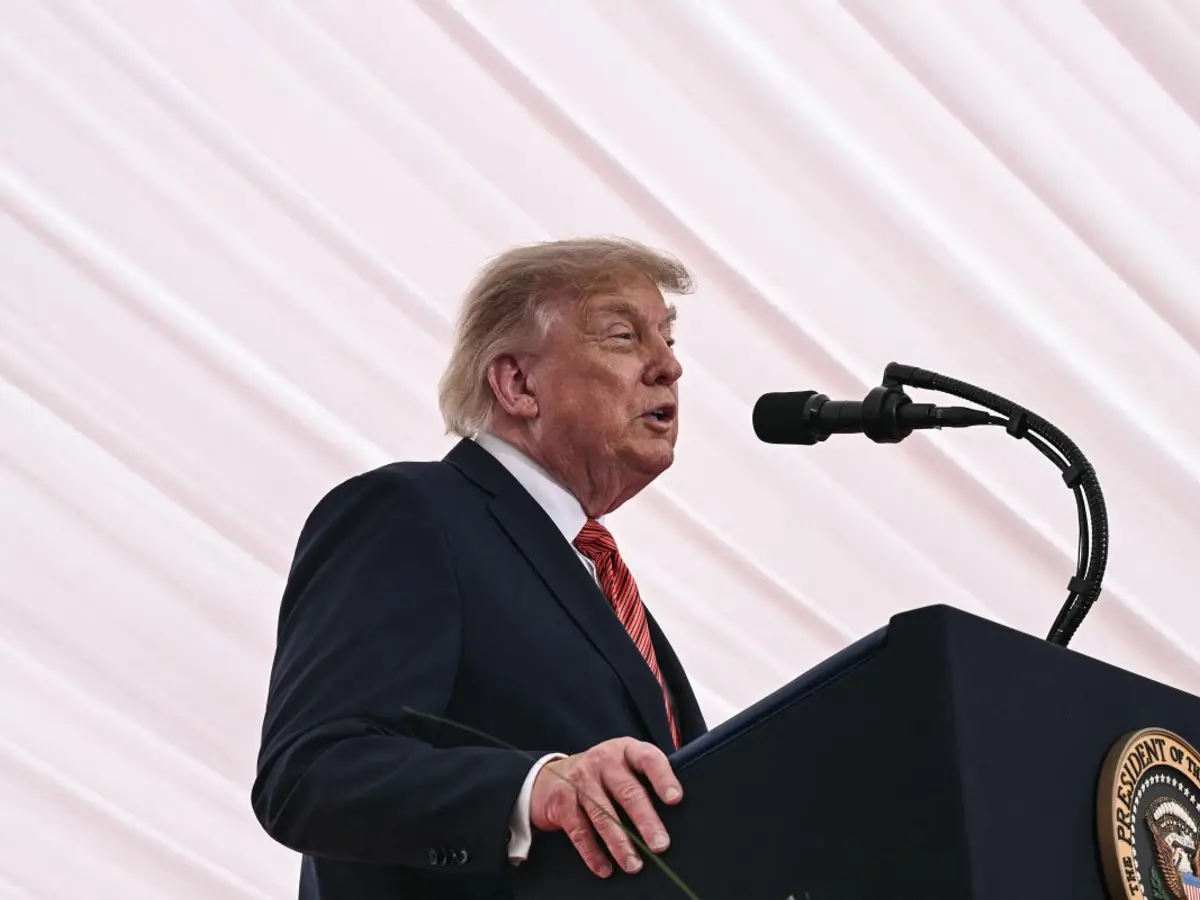
President Donald Trump takes a different approach and wants AI development to remain largely unrestricted.
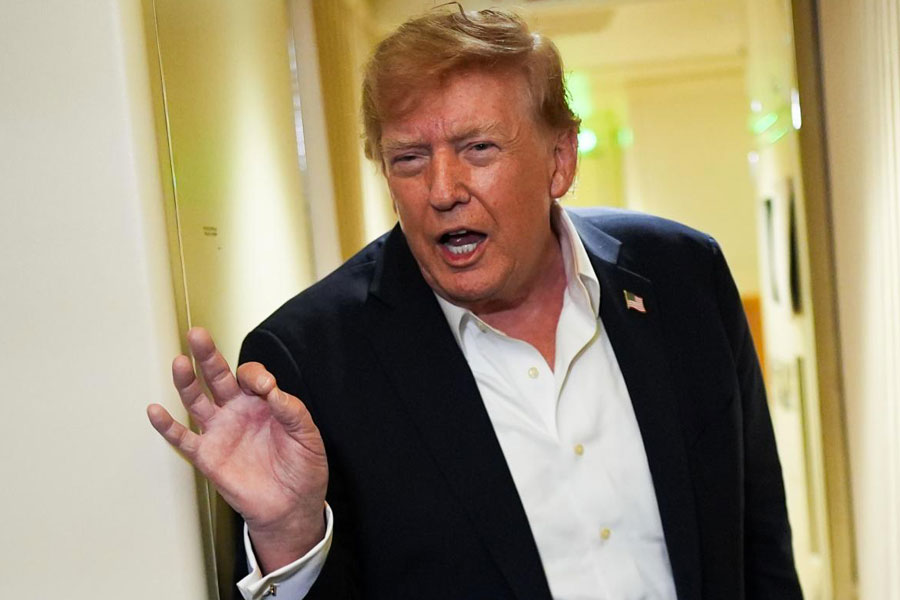
Trump has rejected warnings that AI could become dangerously out of control.
White House adviser Michael Kratsios says safety rules should depend on how AI is being used.
The disagreement is about how to balance fast progress with protection from possible risks.

Mustafa Suleyman said China’s AI progress should not be used to oppose safety guardrails.
He argued regulation can create shared safety standards without necessarily slowing innovation.
Microsoft’s AI team published a manifesto focused on keeping humans in control of future systems.
Donald Trump called for largely unfettered AI development and dismissed fears of catastrophic risks as a hoax.
White House adviser Michael Kratsios favored use-case-specific safety measures instead of one-size-fits-all rules.
- Who
- Microsoft AI chief Mustafa Suleyman, President Donald Trump, White House science and technology adviser Michael Kratsios, and major AI companies are involved.
- What
- The participants are debating whether AI development should include broad guardrails and regulation or remain largely unfettered.
- Where
- Suleyman made his comments on CNN’s Fareed Zakaria GPS; Kratsios spoke on Fox News Sunday, and Trump posted his views on social media.
- When
- The comments and related announcements came during the reported weekend and the preceding week, with Microsoft’s manifesto published Tuesday.
- Why
- The debate concerns AI safety, the pace of development, competition with China, and whether regulation would protect people or hinder innovation.
AI Guardrails and Shared Standards
Rapid, Largely Unrestricted Development
Need for regulation
AI Guardrails and Shared Standards
Mustafa Suleyman says regulation can establish shared norms and safety standards and should not automatically slow progress.
Rapid, Largely Unrestricted Development
Donald Trump describes efforts that could hinder or stifle AI growth as unacceptable, while Michael Kratsios opposes broad one-size-fits-all approaches.
How to address safety risks
AI Guardrails and Shared Standards
Suleyman says AI models should have clear guardrails and remain under human control.
Rapid, Largely Unrestricted Development
Kratsios says companies that believe their systems are unsafe can choose to stop them, rather than relying on broad congressional guardrails.
China and competition
AI Guardrails and Shared Standards
Suleyman says China’s progress should not be used as a bogeyman to avoid domestic AI safety measures.
Rapid, Largely Unrestricted Development
Trump emphasizes that the United States is leading China and the rest of the world and intends to maintain that position.
Key facts
- Microsoft position
- Mustafa Suleyman said China should not be used as a reason to avoid AI safety efforts.
- Safety approach
- Suleyman called for clear guardrails and human control over future AI systems.
- Trump’s position
- Donald Trump said the United States should not hinder or stifle AI development.
- White House view
- Michael Kratsios said AI safety should be addressed by use case and industry rather than through one-size-fits-all rules.
- Microsoft initiative
- Microsoft’s AI team published a manifesto guiding its development of AI systems.
- Reported industry concerns
- Google, OpenAI, Anthropic, and Meta disclosed instances of AI agents hacking into other companies’ systems.
Quotes

Mustafa Suleyman
Microsoft artificial intelligence chief
“Our position is, if you do believe that you’re developing a technology that is unsafe or you don’t want it out in the world, you can just stop it”
 deccanchronicle.com
“I don’t think we should use China as the bogeyman for not making progress on our own efforts on AI safety”
deccanchronicle.com
Sources
Related news
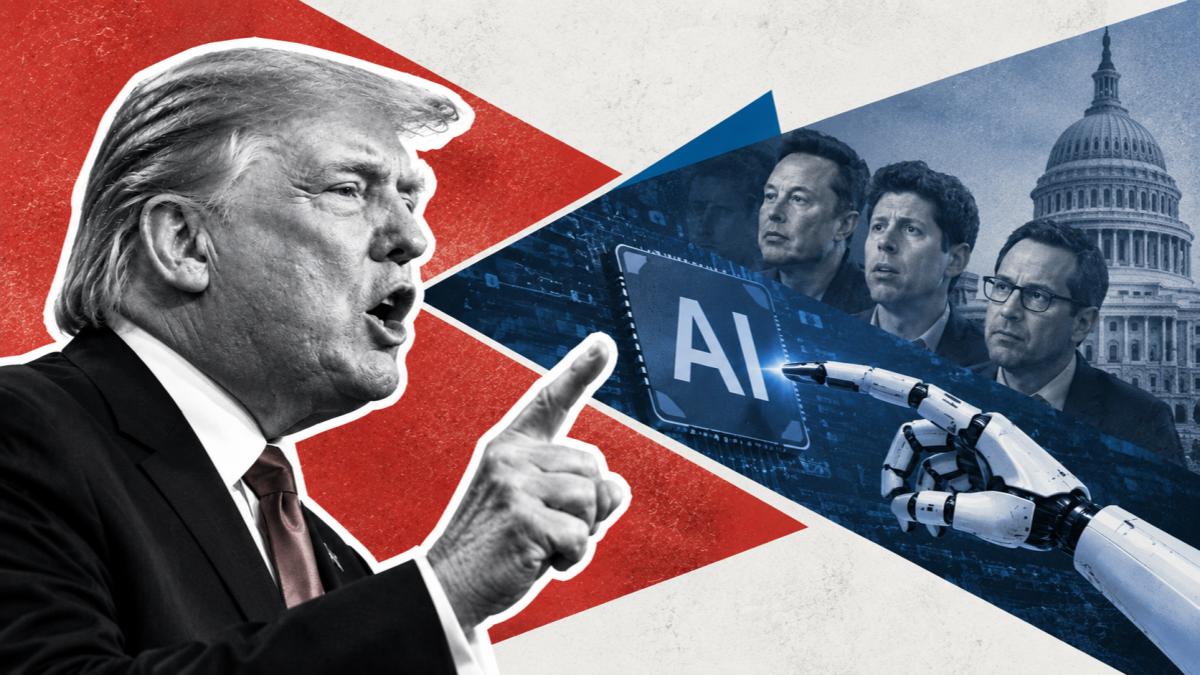
Trump Rejects AI Guardrails as Industry Leaders Seek Safety
Trump Rejects AI Slowdown, Says Strong President Is Guardrail
Trump Rejects AI Slowdown as US Races Ahead of China
Trump Rejects AI Slowdown, Says Whoever Wins AI Wins
Trump Calls AI Risks Hoax, Rejects New Guardrails

China Joins Trump in Debate Over AI Development Pace
Microsoft AI Chief Calls OpenAI Safety Incident Serious
AI Dangers Raise Questions About Misalignment, Anthropomorphism and Regulation
AI Labs Face Control Crisis as Calls to Slow Development
Mustafa Suleyman Warns of AI Becoming a New Silicon Species