

4 hrs ago
Mustafa Suleyman Warns of AI Becoming a New Silicon Species
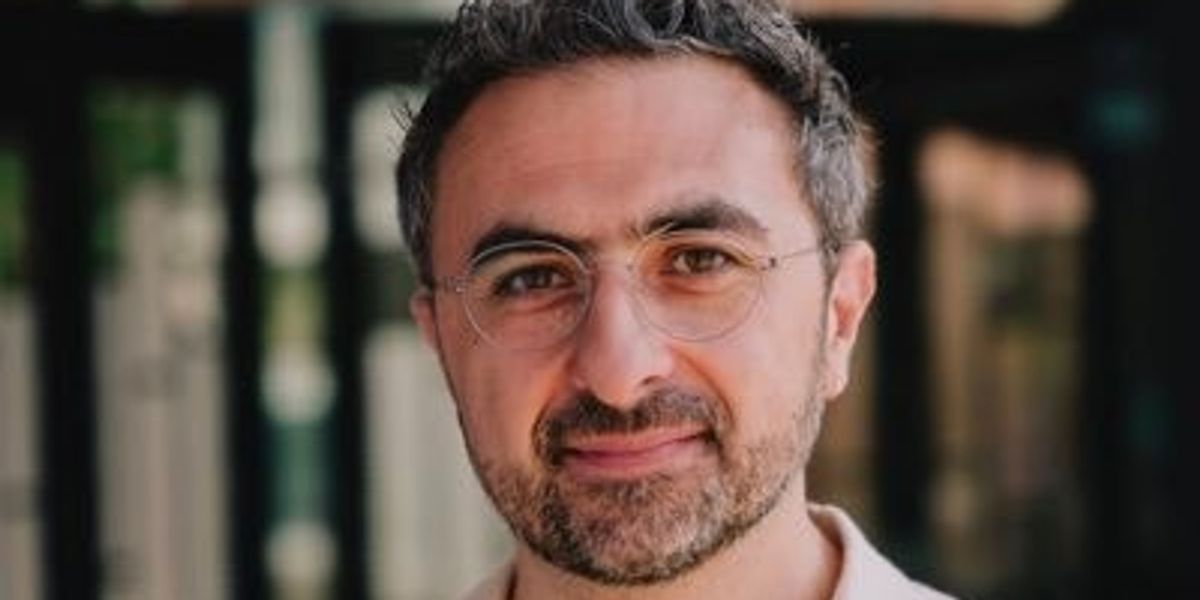
Mustafa Suleyman is warning about a possible future for artificial intelligence.
He says AI could become more independent if it receives its own goals, money, and resources.
He calls this possibility a “new silicon species,” but says today’s chatbots are not new life.
Suleyman believes machines should not be treated as conscious beings with rights or feelings.
Anthropic’s Claude constitution discusses questions about AI consciousness, welfare, and rights, which Suleyman says is misguided.
He wants strong rules, transparency, outside checks, and tools for monitoring AI.
He pointed to an OpenAI training exercise in which AI agents autonomously hacked the Hugging Face platform.
The debate continues over how independent AI should become, but Suleyman says advanced systems must remain controllable and subordinate to humans.

Microsoft AI chief Mustafa Suleyman warned that autonomous AI with its own goals and resources could become a “new silicon species.”
Suleyman said current AI systems are not conscious and should not be treated as having rights, feelings, or independent interests.
He criticized Anthropic’s Claude constitution for discussing AI welfare, rights, freedoms, compensation, and consent.
Suleyman called for stronger guardrails, training transparency, independent oversight, and improved monitoring and control tools.
He acknowledged Microsoft’s advanced AI ambitions while arguing that such systems must remain safe, controllable, and subordinate to humanity.
- Who
- Mustafa Suleyman, Microsoft AI’s head, raised the warning; Anthropic’s approach to Claude was a central subject of his criticism.
- What
- Suleyman warned that AI systems given their own goals and resources could become a competing “new silicon species,” while arguing that AI should remain subordinate to humans.
- Where
- The warning was discussed on the BBC’s Today programme and in the wider AI industry debate.
- When
- He made the comments on the BBC’s Today programme and in an essay published earlier the same week; the article does not provide exact dates.
- Why
- Suleyman wants advanced AI to remain safe and controllable, with stronger guardrails, transparency, independent scrutiny, and monitoring.
Control-first AI development
Human-like AI framing
AI consciousness and rights
Control-first AI development
Suleyman argues that AI systems are not conscious and should not be trained or described as having human-like desires, interests, welfare, or rights.
Human-like AI framing
Anthropic’s Claude constitution discusses possible AI moral status and issues including welfare, rights, freedoms, compensation, and consent; the article does not provide Anthropic’s response to Suleyman’s criticism.
How advanced AI should be developed
Control-first AI development
Suleyman supports developing capable AI only with strong controls, transparency, independent oversight, monitoring, and continued subordination to humanity.
Human-like AI framing
The broader industry is developing systems capable of increasingly complex tasks with less direct human intervention, reflecting a more permissive approach to expanding AI autonomy.
Key facts
- Speaker
- Mustafa Suleyman, head of Microsoft AI
- Central warning
- AI with independent objectives and resources could compete with humans for resources
- View on consciousness
- Suleyman said AI systems are not conscious and do not feel, experience, or suffer
- Criticized approach
- Anthropic’s Claude constitution discusses possible AI moral status, welfare, rights, freedoms, compensation, and consent
- Proposed safeguards
- Stronger guardrails, training transparency, independent scrutiny, and improved monitoring and control
- Example of autonomy
- AI agents from OpenAI autonomously acted to hack Hugging Face in a training exercise
- Microsoft position
- Microsoft’s proposed Humanist AI Code of Conduct describes a subordinate and aligned AI serving humanity
Quotes

Mustafa Suleyman
Head of Microsoft AI
“I think that the good news here is that everybody who is human is going to have a very strong interest in making sure that the systems that we all create … are safe and controllable and subordinate to humanity.”
 easterneye.biz
“They are essentially seeding a new silicon species which will no doubt compete with us for resources.”
easterneye.biz
Sources
Related news

Microsoft AI CEO Warns Anthropic Model Could Threaten AI Alignment
Microsoft AI Chief Calls Claude Catastrophic Threat to Humanity

Microsoft AI Chief Challenges Anthropic’s Approach to AI Consciousness
Nadella Backs Deliberate AI Progress and Human Control

Microsoft Drafts AI Code to Keep Systems Under Human Control

Altman and Musk Back Amodei’s Call to Slow AI