1 hr ago
Doctors Warn Energy Drinks Pose Serious Risks to Children
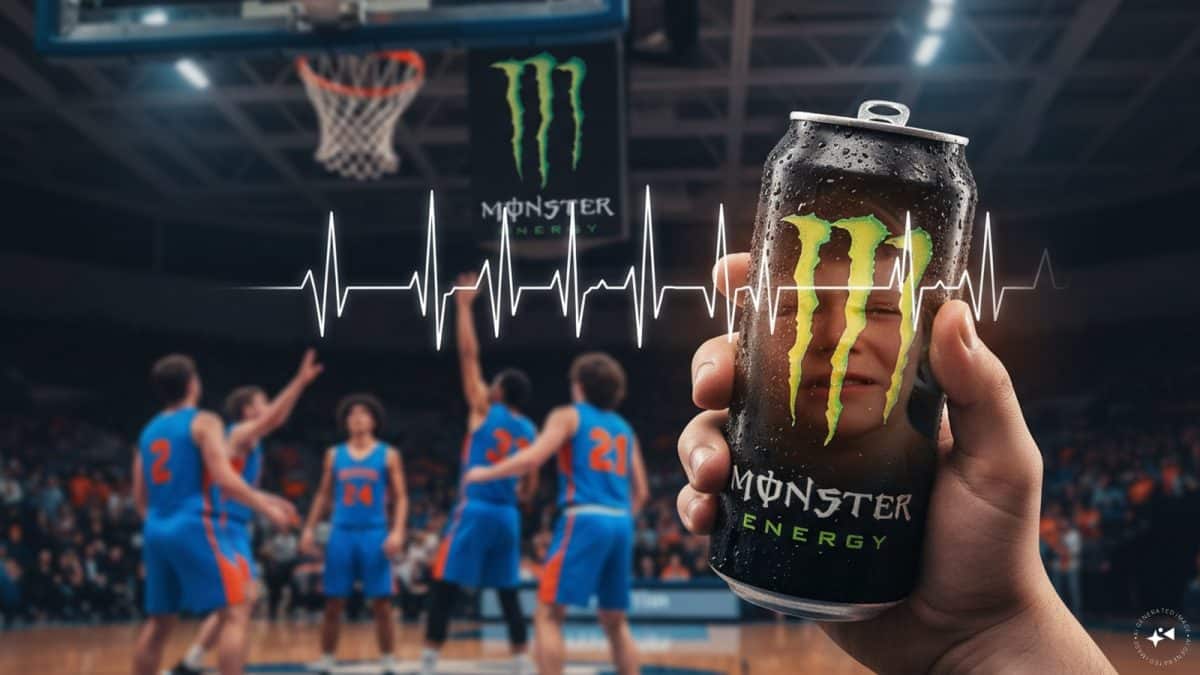
Energy drinks can contain a lot of caffeine and other stimulants.
Doctors say these ingredients can make a child’s heart beat too fast or unevenly and can cause other serious problems.
They are especially concerned about children and teenagers, including young athletes.
A group of doctors wants the Big 12 to pause its sponsorship deal with Monster Energy.
They also want the NCAA to review how energy drinks are marketed to young people.
The doctors point to the death of 16-year-old Davis Cripe, who had an abnormal heart rhythm after drinking an energy drink.
Monster says its drinks have been safely consumed worldwide and carry warnings that they are not intended for children.
The Big 12 says energy drink companies have long been involved in college sports.
Doctors and health groups advise children to avoid energy drinks and encourage families to discuss what their children drink with a pediatrician.

A coalition of doctors asked the Big 12 to pause its Monster Energy sponsorship and urged the NCAA to review energy drink marketing to young people.
Doctors warn that caffeine and other stimulants can cause abnormal heart rhythms, increased heart rate, high blood pressure, sleep problems, dehydration, agitation and seizures.
The doctors cite the 2017 death of 16-year-old Davis Cripe, who experienced an abnormal heart rhythm after drinking an energy drink.
Energy drinks contain about 80 to 300 milligrams of caffeine per serving; pediatricians recommend that ages 12 to 18 limit caffeine to 100 milligrams daily.
Monster and the Big 12 defended the sponsorship, while the NCAA said it cannot regulate conference or school sponsorship agreements.
- Who
- A coalition of doctors, the Big 12 Conference, Monster Energy and the NCAA are involved in the sponsorship dispute.
- What
- Doctors are urging the Big 12 to pause its Monster Energy sponsorship and the NCAA to review energy drink marketing to young people.
- Where
- The deal concerns the Big 12 Conference and its football, basketball and digital platforms.
- When
- The doctors’ request followed a Monster Energy sponsorship deal; the article does not give the deal date.
- Why
- Doctors cite potential caffeine-related health risks for children and teenagers and concern that sponsorship could make energy drinks seem like sports drinks.
Doctors’ concerns
Company and conference responses
Sponsorship and youth exposure
Doctors’ concerns
Doctors say university and athlete promotions may lead children to view energy drinks as sports drinks, and want the Big 12 to pause its deal.
Company and conference responses
The Big 12 says energy drinks are not new to collegiate athletics and beverage companies seek ways to reach sports fans.
Product safety and warnings
Doctors’ concerns
Doctors warn that caffeine and other stimulants can cause serious health problems in children and teenagers.
Company and conference responses
Monster says its ingredients are found in many food products and that more than 100 billion energy drinks have been sold and safely consumed globally; the American Beverage Association says members disclose caffeine totals and use advisories.
NCAA oversight
Doctors’ concerns
The doctors asked the NCAA to review energy drink marketing to young people.
Company and conference responses
The NCAA says it cannot regulate conference or school sponsorship agreements, but provides educational resources and has considered caffeine through a committee.
Key facts
- Caffeine per energy drink serving
- About 80 to 300 milligrams, depending on the product
- Recommended daily caffeine limit
- The American Academy of Pediatrics recommends that ages 12 to 18 limit caffeine to 100 milligrams daily; younger children are discouraged from consuming caffeine.
- Reported daily energy drink use
- In the latest Monitoring the Future survey cited, 23% of 12th graders, 20% of 10th graders and 18% of eighth graders reported daily consumption.
- Davis Cripe
- The 16-year-old died in 2017 after experiencing an abnormal heart rhythm following an energy drink; he had also consumed Mountain Dew and a McDonald’s latte earlier that day.
- Big 12 sponsorship
- The agreement calls for a co-branded logo on football and basketball jerseys, fields and courts, and digital and social media channels.
- NCAA position
- The NCAA said it lacks authority to regulate conference or school sponsorship agreements and offers schools educational resources on caffeine and student-athlete health.
Quotes
Dr. Matthew Nelson
Idaho cardiologist involved in the doctors’ effort.
“Kids are going to see energy drinks now promoted by the universities and the athletes that they admire and want to emulate. The kids will think of them as sports drinks, which they’re not.”
 firstpost.com
“We didn’t understand they could be deadly.”
firstpost.com
Dr. Tamara Hannon
Indiana pediatrician and chair of the American Academy of Pediatrics nutrition committee.
“The same thing can happen when you deliver stimulants to people. The heart can wear out, the nervous system can go haywire and you can have really serious consequences.”
firstpost.com
Sources
Related news
Energy Drinks, Pre-Workout And Caffeine: How Much Strains The Heart?

After Caffeine Overdose, 25-Year-Old Man Dies, Inquest Finds

Why Red Bull Can’t Call Itself an Energy Drink

PepsiCo, Monster Challenge India’s Energy Drink Label Restriction
Kolkata Schools Learn CPR and Healthier Heart Habits

Man Dies After Fatal Caffeine Capsule Overdose in Essex