3 days ago
PepsiCo, Monster Challenge India’s Energy Drink Label Restriction

India’s food safety regulator told companies to stop calling some high-caffeine drinks “energy drinks.”
The order was issued on June 30.
Companies were given 90 days to change their labels and packaging.
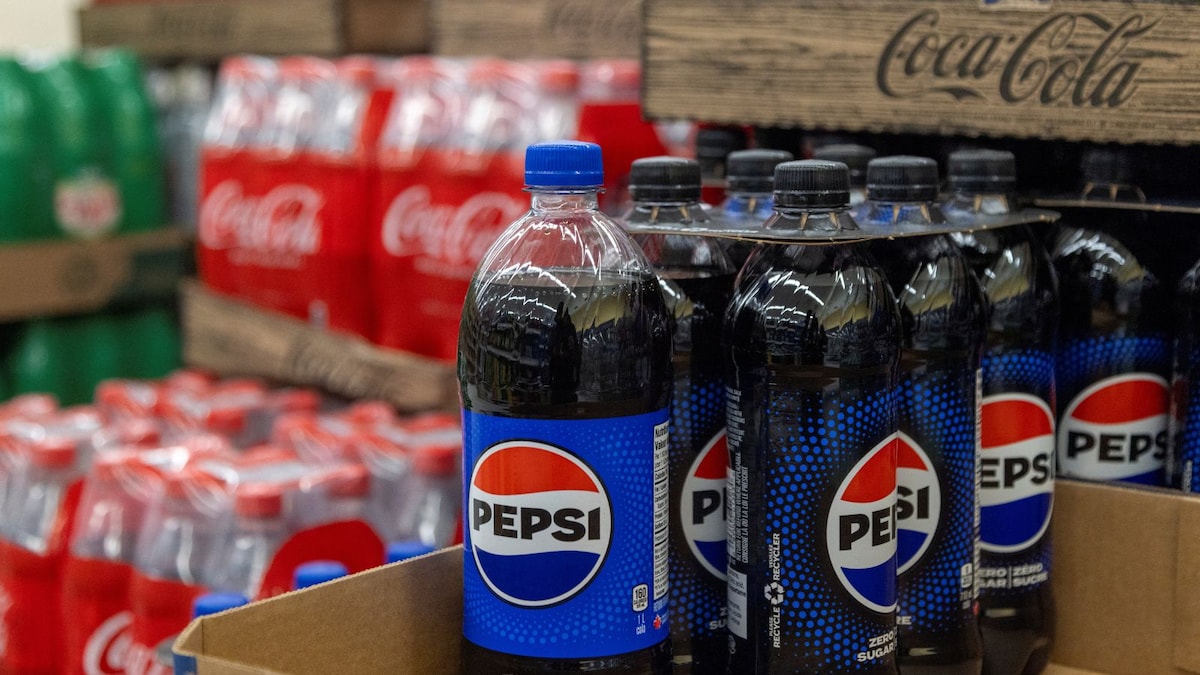
PepsiCo India and Monster Energy India are challenging the order in court.
PepsiCo says many bottles and cans already carried the disputed labels.
Monster says the directive caused financial losses and reputational damage.
The companies also say they were not given a chance to respond beforehand.
FSSAI says the term can be misleading because Indian law has no official standard for “energy drink.”
The regulator also says food products cannot make unapproved promises about improving energy, focus, or physical well-being.

FSSAI ordered makers of high-caffeine beverages to stop using “energy drink” and similar descriptions on June 30.
Companies were given 90 days to remove the disputed wording from products and packaging.
PepsiCo India and Monster Energy India challenged the directive in court, citing commercial and financial consequences.
PepsiCo said 492 million bottles and 26 million cans with the labels were in circulation as of July 31.
FSSAI called the descriptions misleading because Indian regulations contain no official standard for the term “energy drink.”
- Who
- The Food Safety and Standards Authority of India, PepsiCo India, and Monster Energy India.
- What
- PepsiCo India and Monster Energy India are challenging restrictions on labeling high-caffeine beverages as “energy drinks.”
- Where
- India, with PepsiCo’s challenge filed in a Delhi court.
- When
- FSSAI issued the directive on June 30; PepsiCo reported its label-bearing stock figures as of July 31.
- Why
- FSSAI says the term is misleading because no official Indian regulatory standard exists for “energy drink,” while the companies cite commercial, financial, and reputational consequences.
Food Safety and Standards Authority of India
PepsiCo India and Monster Energy India
Meaning of “energy drink”
Food Safety and Standards Authority of India
FSSAI says the description is misleading because Indian law has no official regulatory standard for the term and has restricted its use on high-caffeine beverages.
PepsiCo India and Monster Energy India
The companies oppose changing established product labels and argue that the restriction could significantly affect their commercial interests.
Regulatory process
Food Safety and Standards Authority of India
FSSAI issued the directive and gave companies 90 days to remove the disputed descriptions.
PepsiCo India and Monster Energy India
PepsiCo India and Monster Energy India say they were not given prior notice or an opportunity to present their positions before the directive.
Impact of the order
Food Safety and Standards Authority of India
FSSAI’s action is part of a broader food-safety crackdown and follows concerns about high-caffeine beverages and unapproved functional or therapeutic claims.
PepsiCo India and Monster Energy India
PepsiCo cites potential grave commercial consequences, while Monster claims financial losses and reputational damage; court filings also say affected stocks were seized in several states.
Key facts
- Regulator
- Food Safety and Standards Authority of India (FSSAI)
- Directive date
- June 30
- Compliance period
- 90 days to remove disputed descriptions from products and packaging
- Companies challenging
- PepsiCo India and Monster Energy India
- PepsiCo stock figure
- 492 million bottles and 26 million cans carried the disputed labels as of July 31
- FSSAI’s rationale
- Indian regulations contain no official standard for the term “energy drink,” making the description potentially misleading
- Market projection
- India’s energy drink industry is projected to reach $1.6 billion by 2028
Quotes

Food Safety and Standards Authority of India
India’s food safety regulator
“The Food Category System under the Food Safety and Standards (Food Products Standards and Food Additives) Regulations, 2011 or the FSS Regulations is not intended for product naming or labelling purposes.”
 livemint.com
Sources
Related news
Red Bull Challenges India’s Ban on ‘Energy Drink’ Labels
Delhi High Court Sets Aside FSSAI Red Bull Label Order

Why Red Bull Can’t Call Itself an Energy Drink
Bombay High Court Keeps Old Monk Ban Pending Label Review

FSSAI Expands Dabur Crackdown, Orders Audit of 27 Lines

India’s food safety crackdown targets eateries, labels and junk food

FSSAI Orders Everest Cumin Powder Recall After Unsafe Tests

India Regulator Says Nestlé Dairy Whitener Sample Is Unsafe
Nestle Disputes Lab Finding That Dairy Whitener Is Unsafe

FSSAI Orders Halt After Nestlé Dairy Whitener Fails Quality Test

FSSAI Orders Sale Halt After Nestle Whitener Sample Fails Test