

1 month ago
Retina chip restoring partial sight enters Europe
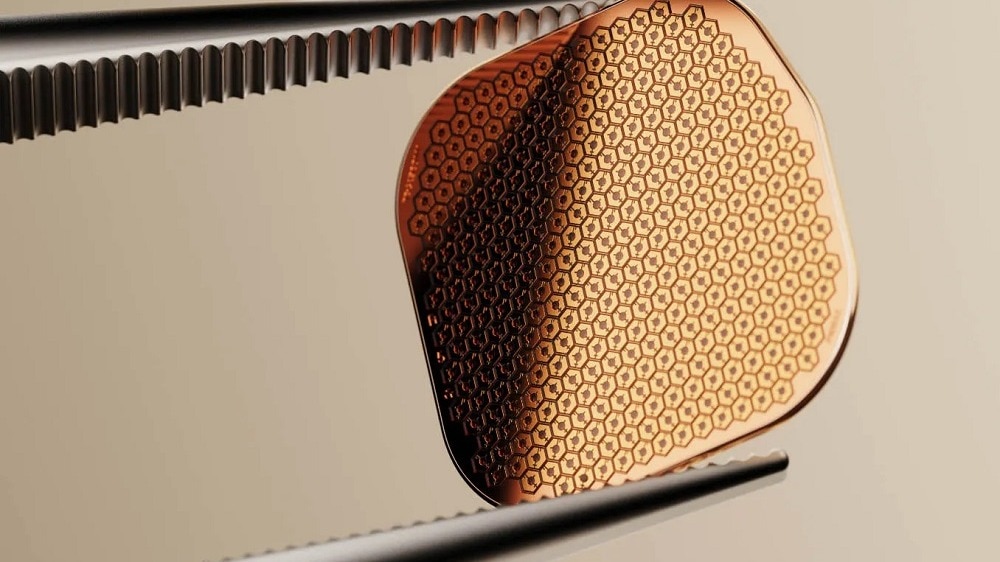
Science Corp, a company based in California, has developed a small chip called Prima that can help people who have lost their sight due to a condition called age-related macular degeneration.
This chip is placed at the back of the eye and works with special glasses to help people see a little bit again.
The company has received approval to sell this chip in Europe and plans to start treating patients soon.
They hope to help many people in the future and are also working on other technologies that connect the brain with machines.
The chip has been tested and shown to improve vision in many patients, giving hope to those who have limited treatment options.

Science Corp's Prima retina chip can restore partial sight in patients with advanced age-related macular degeneration.
The chip is placed at the back of the eye and works with specially designed glasses.
The implant has received the CE mark, allowing it to be sold across Europe.
Science Corp plans to implant its first commercial patient in August, likely in Germany, and treat dozens this year and around 200 next year.
The company is also pursuing broader ambitions in the neurotechnology space, including devices that connect with brain tissue.
- Who
- Science Corp, a US-based neurotechnology company
- What
- A retina chip implant called Prima that can restore partial sight in patients with advanced age-related macular degeneration
- Where
- Europe, with initial implants likely in Germany
- When
- Expected to begin commercial implants in August, with plans to treat dozens this year and around 200 next year
- Why
- To provide a treatment option for patients with geographic atrophy caused by age-related macular degeneration, a condition with no current cure
Proponents of Neurotechnology
Skeptics of Neurotechnology
Efficacy and Safety
Proponents of Neurotechnology
Proponents argue that the retina chip is a significant advancement in treating age-related macular degeneration, offering hope to patients with limited treatment options.
Skeptics of Neurotechnology
Skeptics express concerns about the long-term safety and efficacy of the implant, citing the need for more extensive clinical trials and data.
Commercial Viability
Proponents of Neurotechnology
Proponents believe that the commercialization of the retina chip will drive further innovation in neurotechnology, benefiting both patients and the industry.
Skeptics of Neurotechnology
Skeptics question the commercial viability and potential for profit, arguing that the high costs and regulatory hurdles may limit widespread adoption.
Key facts
- Company
- Science Corp
- Implant Name
- Prima
- Target Condition
- Geographic atrophy caused by age-related macular degeneration
- CE Mark
- Received
- First Commercial Implant
- Expected in August, likely in Germany
- Patients Treated This Year
- Dozens
- Patients Treated Next Year
- Around 200
- Study Results
- Improved vision in 26 of 32 patients
- Funding Raised
- $489 million
- Company Valuation
- $1.5 billion
Quotes

Max Hodak
Chief Executive Officer of Science Corp
“This is the first in hopefully a long series of commercial products that proceed to advance that horizon, sometimes incrementally, but relentlessly.”
 businesstoday.in
Sources
Related news

New model maps Delhi’s traffic noise across urban landscape

ALLEN Opens Three New Campuses, Expanding Hyderabad Network to 14

Khijadiya Sanctuary Confirmed as Key Black-Necked Stork Breeding Site

IIT Roorkee Launches Online AI Programme for Working Professionals

Anantapur Official Distributes Insurance Cheques to Bereaved Student Families
