

2 hrs ago
CEC Gyanesh Kumar’s Salary, Perks and Unreported Assets Explained

Gyanesh Kumar is India’s Chief Election Commissioner, the person who leads the national election authority.
His basic salary is ₹2,50,000 each month.
He also receives an allowance and work-related benefits such as an official home, cars, and medical care.
A law passed in 2023 linked the pay of election commissioners to that of the Cabinet Secretary.
The article says the public does not have information about Kumar’s total wealth.
A politician asked the government for records of properties Kumar reported while he was an IAS officer.
The government treated those records as personal information and did not release them.
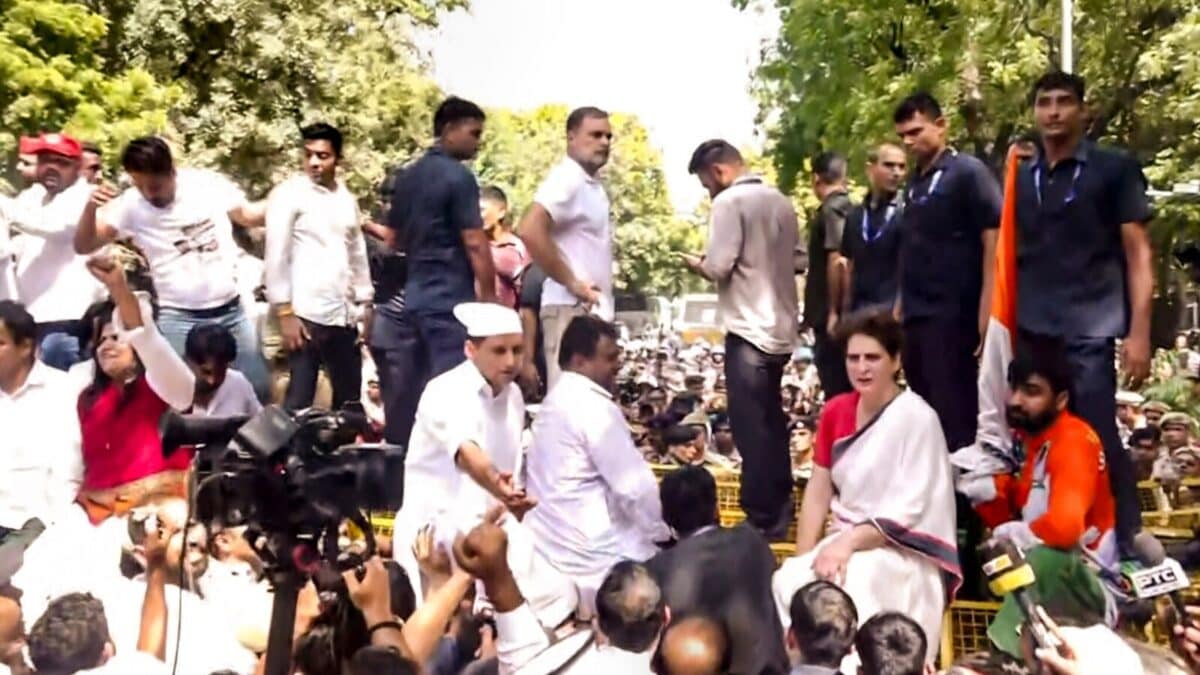
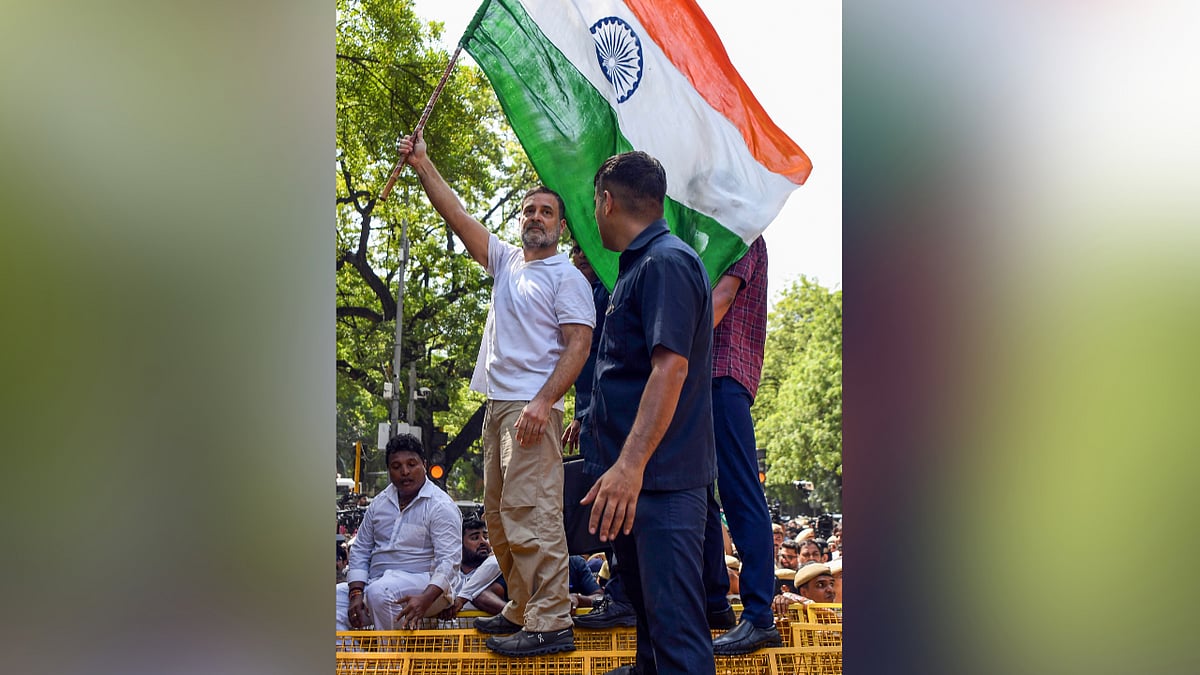
Opposition leaders are also protesting against decisions about voter registration and electoral rolls.

Chief Election Commissioner Gyanesh Kumar receives a basic monthly salary of ₹2,50,000, equivalent to that of a Cabinet Secretary.
His listed benefits include a ₹34,000 monthly allowance, official housing and cars, security, subsidized utilities, medical facilities, and retirement benefits.
The 2023 law made the CEC’s salary equivalent to the Cabinet Secretary’s, replacing the earlier link to Supreme Court judges’ salaries.
No public information on Kumar’s net worth is provided; an RTI request for his 2015–2023 property returns was denied on personal-information grounds.
The Opposition has protested over electoral-roll changes and alleged unilateral decisions by the Election Commission, while also raising questions about asset disclosure.
- Who
- Chief Election Commissioner Gyanesh Kumar, the Election Commission of India, and Opposition leaders including Rahul Gandhi and Saket Gokhale.
- What
- An article outlines Kumar’s salary and benefits, the lack of public information about his net worth, and Opposition criticism of the Election Commission.
- Where
- The protest march was directed toward Nirvachan Sadan, the Election Commission’s headquarters in New Delhi.
- When
- The Opposition march began on a Monday; the article also refers to an RTI request dated 5 November 2025 and a protest campaign.
- Why
- The Opposition is protesting over Special Intensive Revision of electoral rolls, changes to Form 6, and alleged unilateral decisions by the poll panel; Saket Gokhale has also sought disclosure of Kumar’s property returns.
Disclosure and Election Commission Accountability
Privacy and Election Commission Position
Disclosure of property records
Disclosure and Election Commission Accountability
Saket Gokhale argued that property returns filed by Kumar as a public servant concern official accountability and public interest, and should be disclosed under the RTI Act.
Privacy and Election Commission Position
The government’s response treated the requested records as personal information whose disclosure could invade individual privacy; the article does not provide a direct response from Kumar.
Election Commission decisions
Disclosure and Election Commission Accountability
The Opposition alleged that the Election Commission made unilateral decisions over electoral rolls and Form 6, and accused it of facilitating systematic “vote theft.”
Privacy and Election Commission Position
The article reports the allegations but does not include a response from the Election Commission or a separate account supporting its decisions.
Key facts
- Basic monthly salary
- ₹2,50,000
- Monthly allowance
- ₹34,000
- Salary benchmark
- Equivalent to the Cabinet Secretary’s salary under the 2023 law
- Additional benefits
- Official residence and cars, security, subsidized utilities, medical facilities, and post-retirement benefits
- Election Commissioner
- Gyanesh Kumar became an Election Commissioner in 2024 and Chief Election Commissioner in February 2025
- RTI request
- Saket Gokhale sought Kumar’s immovable property returns for 2015–2023
- RTI response
- The requested information was treated as personal information; the article says no public net-worth information is available
Quotes
RTI Act, Section 8(1)(j), as quoted in the article
Legal provision quoted in the article concerning exemptions for personal information under the Right to Information Act.
“Information which relates to personal information the disclosure of which has no relationship to any public activity or interest, or which would cause unwarranted invasion of the privacy of the individual unless the Central Public Information Officer or the State Public Information Officer or the appellate authority, as the case may be, is satisfied that the larger public interest justifies the disclosure of such information.”
 livemint.com
Sources
Related news
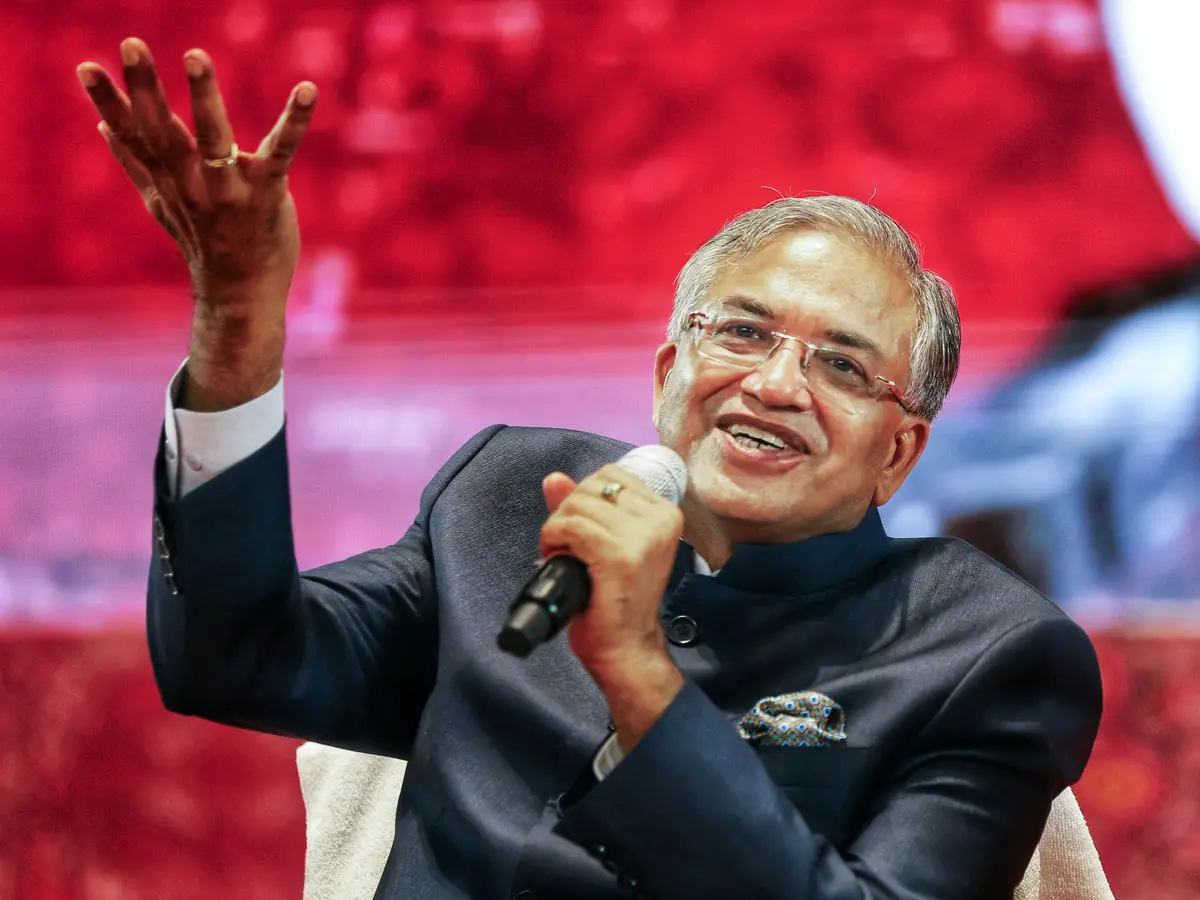
Gyanesh Kumar Faces ECI Rift Over Voter Roll Decisions
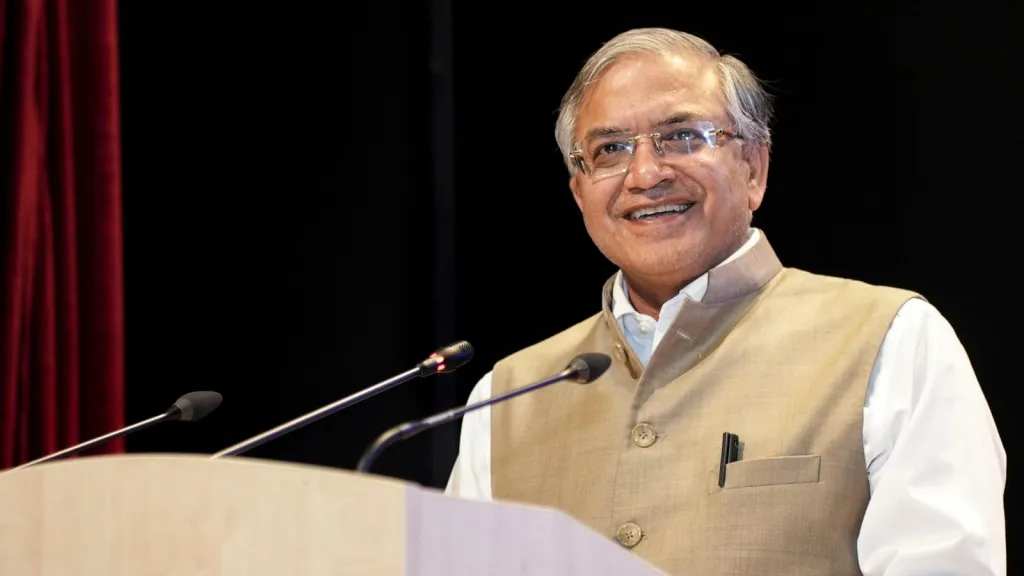
Gyanesh Kumar’s Election Commission Tenure Faces Internal Dissent

Supreme Court Seeks Responses Over CEC Gyanesh Kumar Pleas
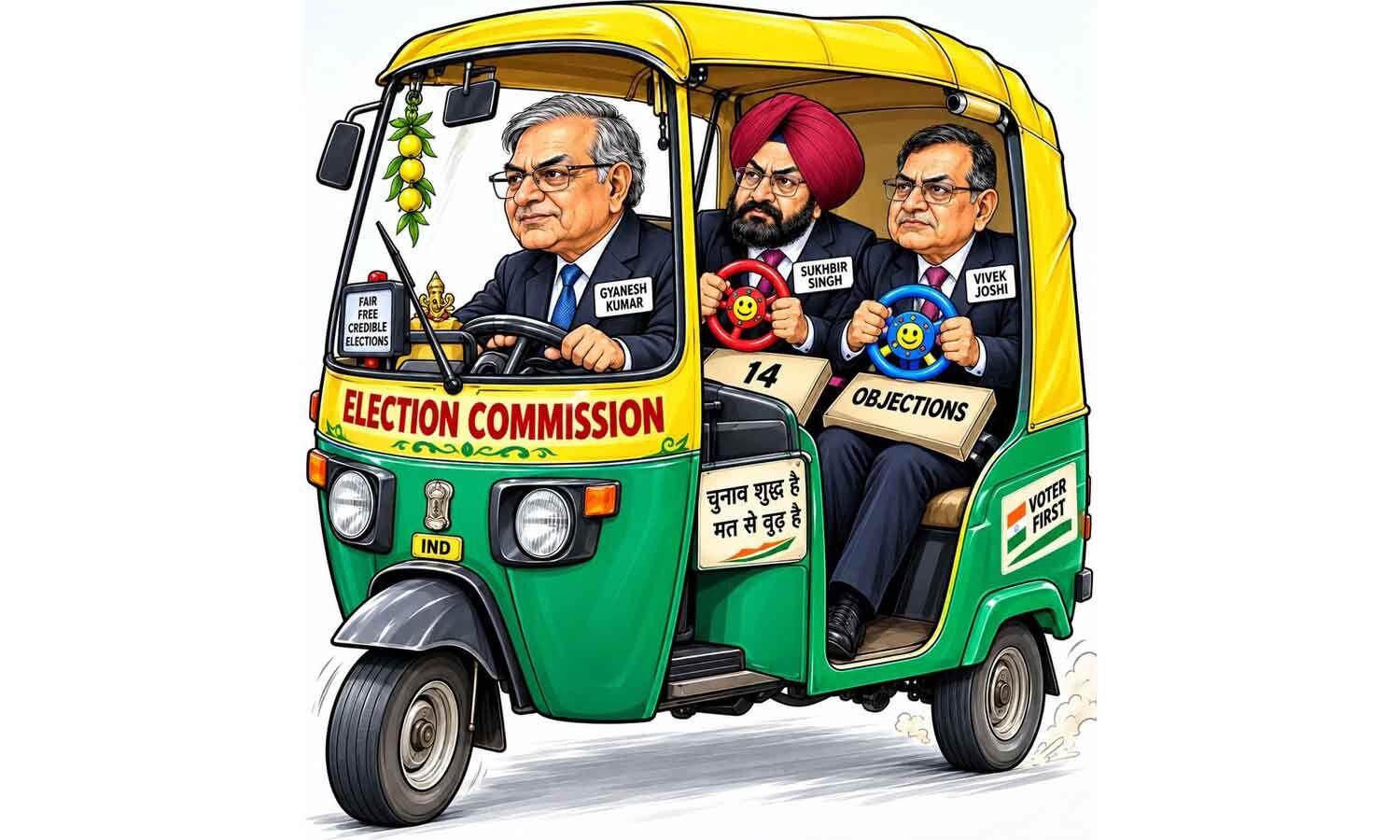
Opposition Demands CEC Gyanesh Kumar’s Removal Over SIR Dissent
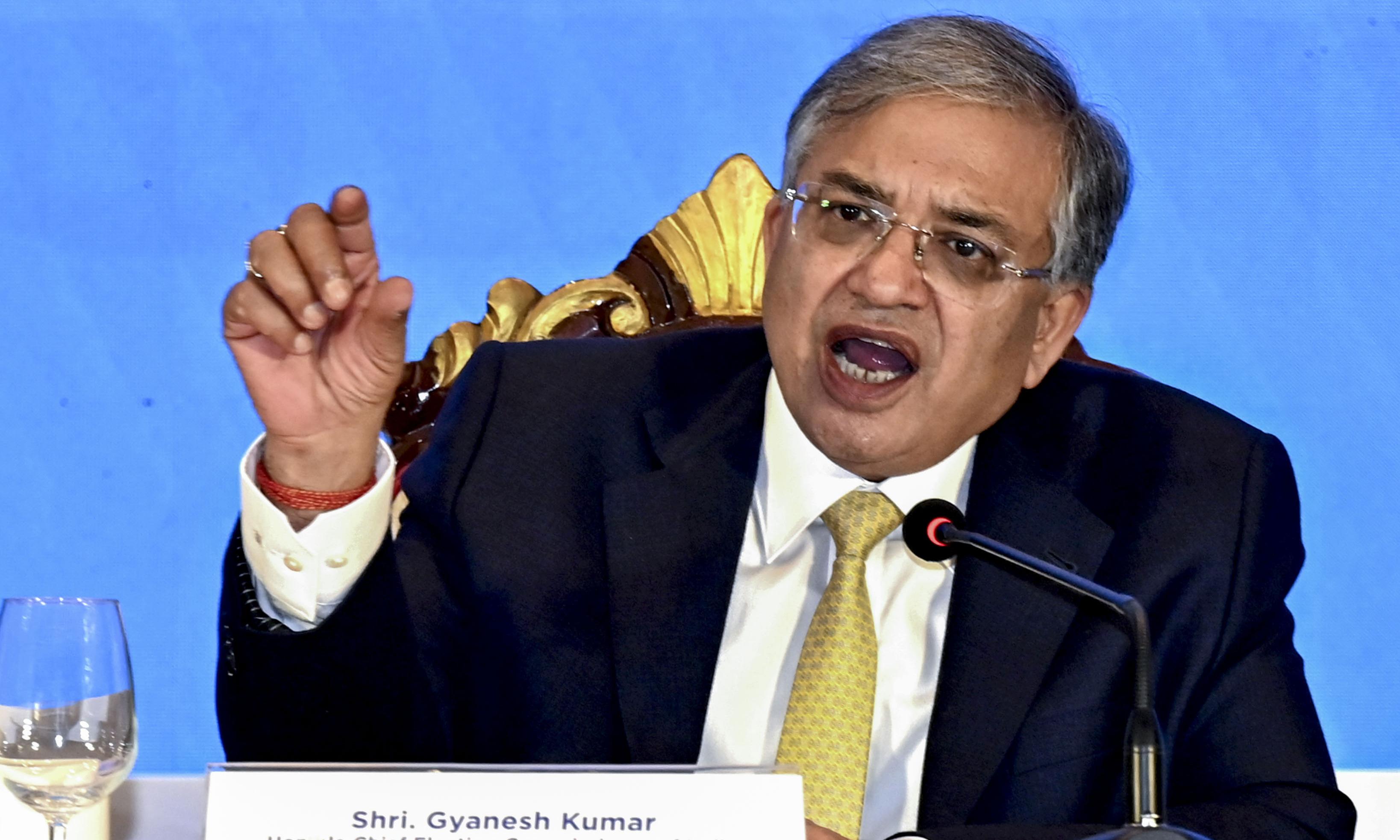
Opposition Escalates Impeachment Push Against CEC Over SIR Dispute

Supreme Court Questions Modified Form 6 as Congress Targets CEC
India’s SIR Dispute Sparks Protests, Court Review and Resignation Calls
Delhi Court Grants Bail to 17 Students Arrested at Protest
Rahul Gandhi Waves Tricolour During INDIA Bloc Protest

BJP Says INDIA Bloc March Seeks to Relaunch Rahul Gandhi
CJP Founder Alleges Police Pressure Before Delhi Election Protest