

3 hrs ago
Gyanesh Kumar’s Election Commission Tenure Faces SIR Controversy
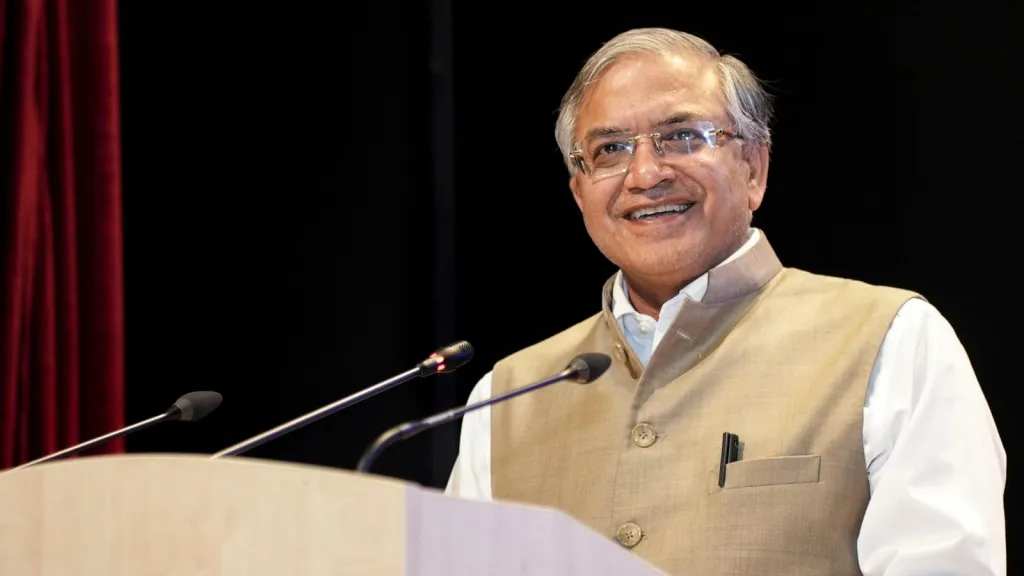
Gyanesh Kumar is the head of India’s Election Commission.
His time in that job has attracted criticism, especially over a review of voter lists called the Special Intensive Revision.
Opposition parties say the review could help the ruling party, but Kumar and the Election Commission reject that claim.
Two other election commissioners reportedly complained that important decisions were made without informing them.
Kumar previously worked in several senior government jobs.
He helped with the law that reorganized Jammu and Kashmir and with the trust overseeing the Ram temple in Ayodhya.
He became an election commissioner soon after retiring as a civil servant.
He became the Chief Election Commissioner in February 2025.

Chief Election Commissioner Gyanesh Kumar’s 19-month tenure has faced scrutiny over the Special Intensive Revision of voter lists.
Opposition parties, led by the Congress, have accused the Election Commission of favoring the ruling party, allegations Kumar has rejected.
Election Commissioners Sukhbir Singh Sandhu and Vivek Joshi reportedly objected at least 14 times to decisions made without their knowledge.
Kumar, a 1988-batch Kerala-cadre IAS officer, previously worked on the Jammu and Kashmir Reorganisation Bill and the Ayodhya temple trust.
He became an election commissioner in March 2024 and assumed the post of Chief Election Commissioner in February 2025.
- Who
- Chief Election Commissioner Gyanesh Kumar, along with Election Commissioners Sukhbir Singh Sandhu and Vivek Joshi.
- What
- Kumar’s tenure and the Election Commission’s internal functioning are under scrutiny amid controversy over voter-list revisions and reported disagreements among commissioners.
- Where
- The developments concern India’s Election Commission and voter-list revisions in several states.
- When
- Kumar became an election commissioner in March 2024 and Chief Election Commissioner in February 2025; the reported objections occurred over the preceding 10 months.
- Why
- Opposition parties have alleged that the voter-list revision could benefit the ruling party, while the Election Commission has dismissed the allegations as misleading.
Critics and Opposition
Election Commission and Kumar
Special Intensive Revision
Critics and Opposition
Opposition parties, led by the Congress, allege that additions or deletions in voter lists could advantage the ruling party.
Election Commission and Kumar
Gyanesh Kumar and the Election Commission have rejected the allegations and described them as misleading.
Election Commission independence
Critics and Opposition
Critics point to Kumar’s previous government roles and reported objections from the two other commissioners as evidence of concerns about the panel’s functioning.
Election Commission and Kumar
Supporters and officials who worked with Kumar describe him as capable, detail-oriented, hardworking and effective under pressure.
Internal decision-making
Critics and Opposition
Sukhbir Singh Sandhu and Vivek Joshi reportedly said decisions were taken without their knowledge and formally objected at least 14 times.
Election Commission and Kumar
The article reports the objections and resulting political controversy but does not provide a public response from Kumar to the investigation.
Key facts
- Official
- Gyanesh Kumar, Chief Election Commissioner of India
- Civil-service background
- 1988-batch Indian Administrative Service officer from the Kerala cadre
- Election commissioner appointment
- Announced on March 15, 2024
- Chief Election Commissioner appointment
- Assumed office in February 2025
- Main controversy
- Special Intensive Revision of voter lists
- Reported internal objections
- Sukhbir Singh Sandhu and Vivek Joshi objected at least 14 times over 10 months
- Earlier government work
- Worked on the Jammu and Kashmir Reorganisation Bill and the Ram Janmabhoomi Teerth Kshetra Trust
Quotes
A senior officer who served in Jammu and Kashmir
A senior officer who had served in Jammu and Kashmir and commented on Kumar’s administrative style.
“He never left things for others, got personally involved… In the post-August 5, 2019, period, we also witnessed his ability to deliver under pressure. Yet, he was always cordial and warm towards colleagues. I have never seen him lose his cool.”
 indianexpress.com
“He always displayed a clear understanding that he needed to put his head down and implement orders from above. No unnecessary flamboyance or flair. That is why he was liked by the leadership.”
indianexpress.com
Sources
Related news

Opposition Demands Gyanesh Kumar’s Removal Over SIR Objections
Congress Accuses Gyanesh Kumar of Acting With Government Support
TMC revives impeachment push against CEC amid Election Commission dissent

CEC Voter Record Questioned; Office Says No Anomaly
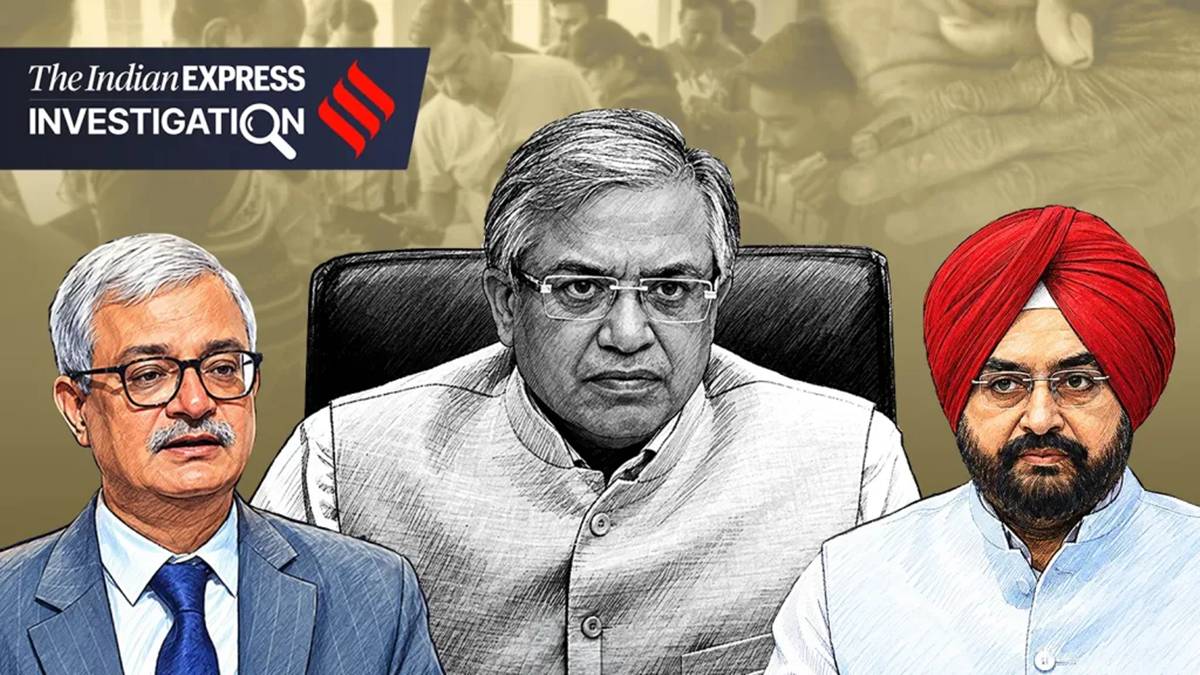
Election Commissioners Raise 14 Objections Over SIR Decisions

CPI(M) Demands SIR Halt and Gyanesh Kumar’s Removal
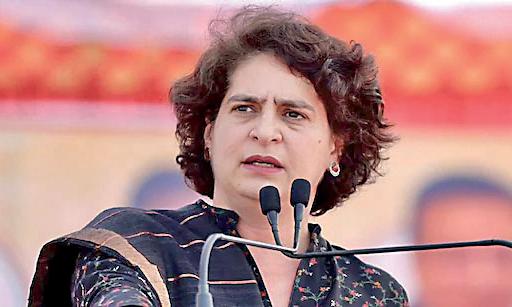
Priyanka Gandhi Calls Alleged Election Rigging Treasonous, Demands Investigation
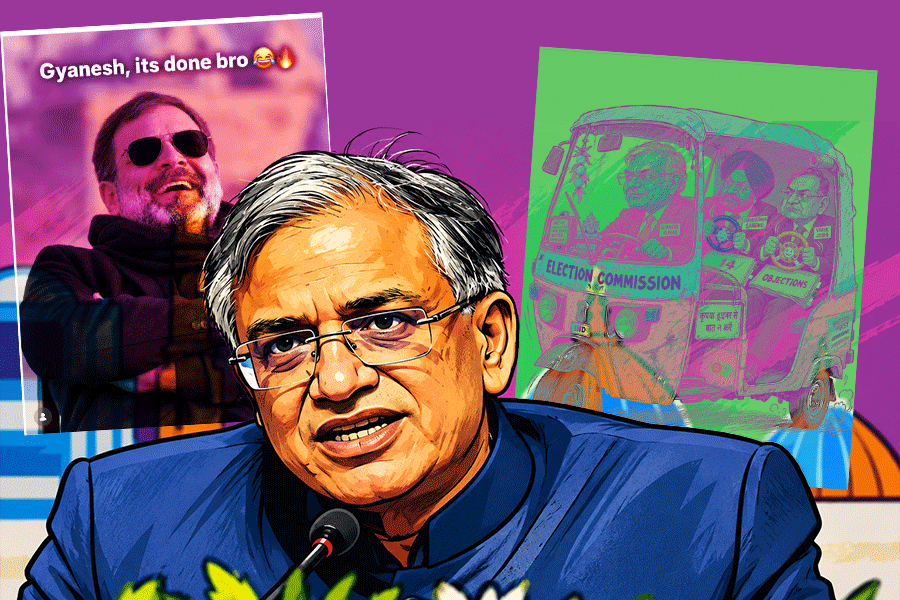
Election Commission Dispute Fuels Memes Over Gyanesh Kumar’s Role
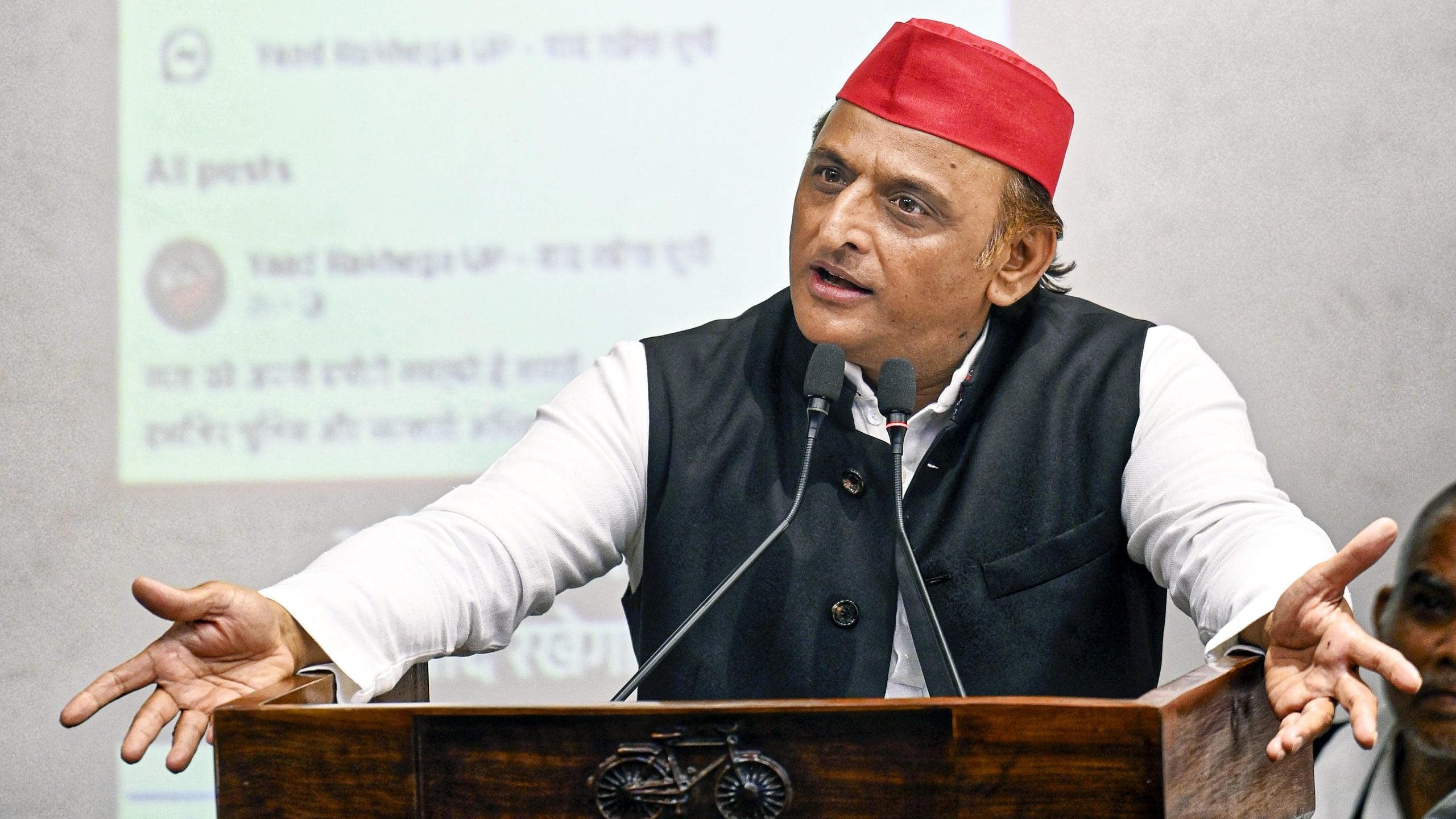
Akhilesh Yadav Questions Election Commission Credibility Over SIR