2 days ago
Kolkata Hawker Evictions Renew Livelihood Versus Public Access Debate

Some people in Kolkata sell food, clothes and other goods on streets to earn money.
Many customers use these sellers because their prices are cheaper than restaurants, malls or branded shops.
The government is removing some hawkers because officials say footpaths and roads must remain open.
Hawker groups and opposition figures say people should be given another place to work before they are removed.
They also want the government to follow a 2014 law protecting street vendors.
Some sellers say new restrictions are already making it difficult to support their families.
One incident involving a homeless woman heating milk for her child caused public criticism.
The debate is about balancing people’s right to earn a living with everyone’s right to use public paths safely.

Hawker evictions in Kolkata and other West Bengal cities have renewed debate over livelihoods and unobstructed public pathways.
Former Kolkata mayor Bikash Ranjan Bhattacharya said hawkers should be rehabilitated before eviction and criticized the use of force.
CITU-affiliated leaders demanded implementation of the 2014 Street Vendors Act, including vending committees, licenses and alternative arrangements.
The administration has pursued the removal of encroachments, while the Calcutta High Court denied interim relief to Mangla Haat hawkers challenging eviction.
Hawkers said restrictions and fears of eviction are threatening family incomes ahead of the Durga Puja business season.
- Who
- Hawkers, street vendors, their trade-union representatives, the West Bengal administration, and members of the public.
- What
- Evictions and restrictions on hawkers have triggered a debate over livelihood protection, rehabilitation and access to footpaths and roads.
- Where
- Kolkata and other parts of West Bengal, including Park Street, Gariahat, Salt Lake Sector V and Mangla Haat in Howrah.
- When
- The issue was reported on August 31, with concerns also arising ahead of Durga Puja.
- Why
- The administration says public pathways and roads should not be blocked by unauthorized vending, while hawker groups say vendors need income and should be rehabilitated before eviction.
Livelihood and rehabilitation
Unobstructed public access
Whether hawkers should be removed immediately
Livelihood and rehabilitation
Bikash Ranjan Bhattacharya and CITU-affiliated representatives say hawkers should be rehabilitated and offered alternative arrangements before eviction.
Unobstructed public access
The administration is pursuing the removal of encroachments to keep footpaths and roads available for public use.
Economic role of street vending
Livelihood and rehabilitation
Supporters say hawkers provide affordable food, clothing and other goods for economically weaker customers while creating income for vendors and producers.
Unobstructed public access
Opponents of unauthorized vending emphasize that blocked footpaths and roads restrict movement and affect the public.
How the law should be applied
Livelihood and rehabilitation
Hawker representatives want town vending committees, licenses and implementation of the Street Vendors Act before vendors are displaced.
Unobstructed public access
The Calcutta High Court denied interim relief to the Mangla Haat hawkers’ representative body while the eviction dispute was being challenged.
Key facts
- Law cited
- The Street Vendors (Protection of Livelihood and Regulation of Street Vending) Act, 2014.
- Former mayor
- Bikash Ranjan Bhattacharya served as Kolkata mayor from 2005 to 2010.
- Hawker union membership
- CITU leader Debashis De said more than 60,000 hawkers are registered with the trade union.
- Estimated Kolkata hawkers
- Debashis De claimed that Kolkata has more than 2 lakh hawkers.
- Court action
- The Calcutta High Court denied interim relief to the Mangla Haat hawkers’ representative body.
- Affected locations
- The report mentions Park Street, Mangla Haat, Salt Lake Sector V and Gariahat.
- Seasonal concern
- A Gariahat garment seller said vendors feared stocking goods before the Durga Puja business season because of possible eviction.
Quotes
Bikash Ranjan Bhattacharya
Former Kolkata mayor and CPI(M) leader
“We want implementation of the central Act, formation of town vending committees and provision of licenses to the hawkers.”
 theprint.in
“Hawkers and street vendors run an alternative economy.”
theprint.in
Sources
Related news

Calcutta High Court Says Vendors Act Doesn’t Shield Street Encroachments
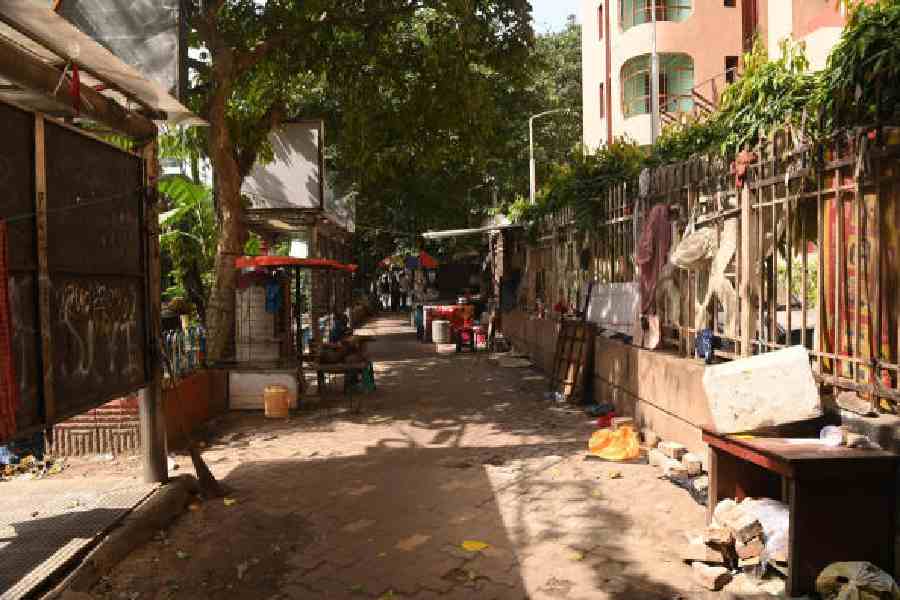
Kolkata Eviction Drive Raises Fear Among Footpath Families
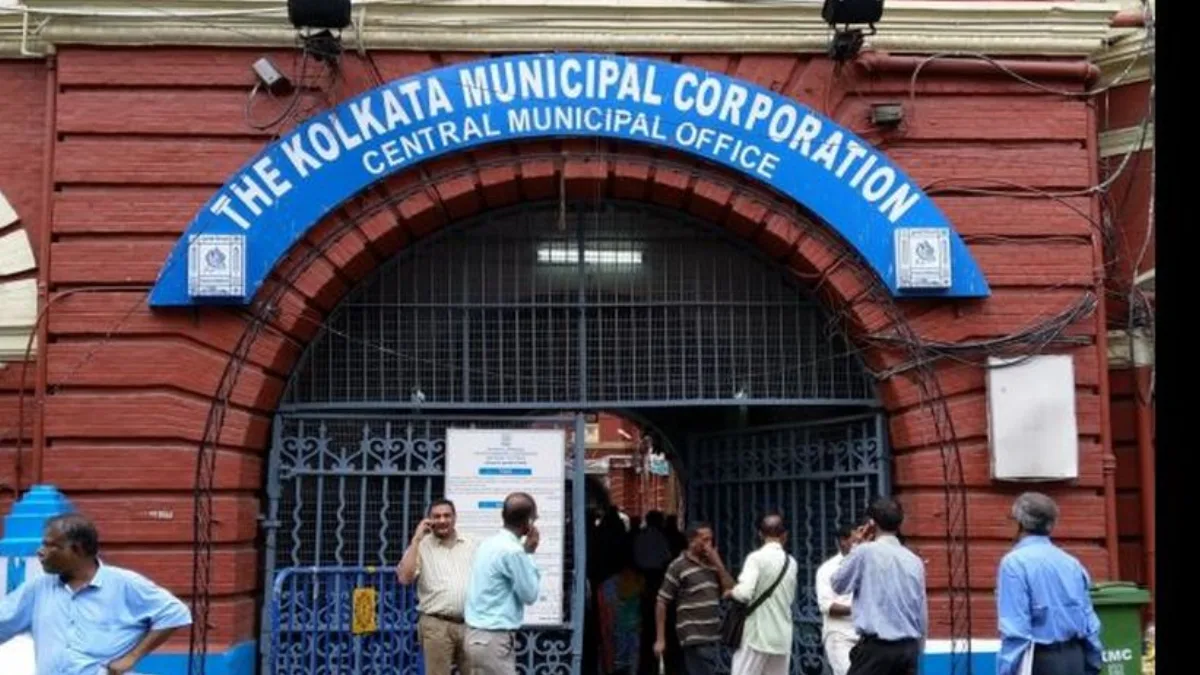
Kolkata TVC mulls deputation to CM over anti-encroachment drive
Shimla vendors protest eviction drive, demand Street Vendors Act implementation

Visakhapatnam Vendors Protest GVMC Action Under Operation Lungs

Karjol likens Bengaluru vendor evictions to Turkman Gate demolitions

Satheesan Says Kerala’s LDF Faces Turmoil Amid Left Rift
Thomas Isaac Blames Arrogance, Candidate Lapses for CPI(M) Setback

CPI(M) Alleges Bishop, Wife Assaulted Over Conversion Charges

Calcutta High Court Grants Interim Bail to CPI(M) Leader
SFI Secretariat March Turns Tense Over University Police Action