3 weeks ago
Trump Threatens Spain Trade Over Iran Airbase Denial
The leader of the United States wants to attack the country of Iran, and he asked Spain if American planes could use Spanish airports to do that.
Spain said no.
The American leader got angry and said he might stop buying things from Spain.
Spain's leader reminded everyone of something that happened before.
Many years ago, America and Britain attacked Iraq because they said Iraq had secret dangerous weapons.
After the war, those weapons were never found.
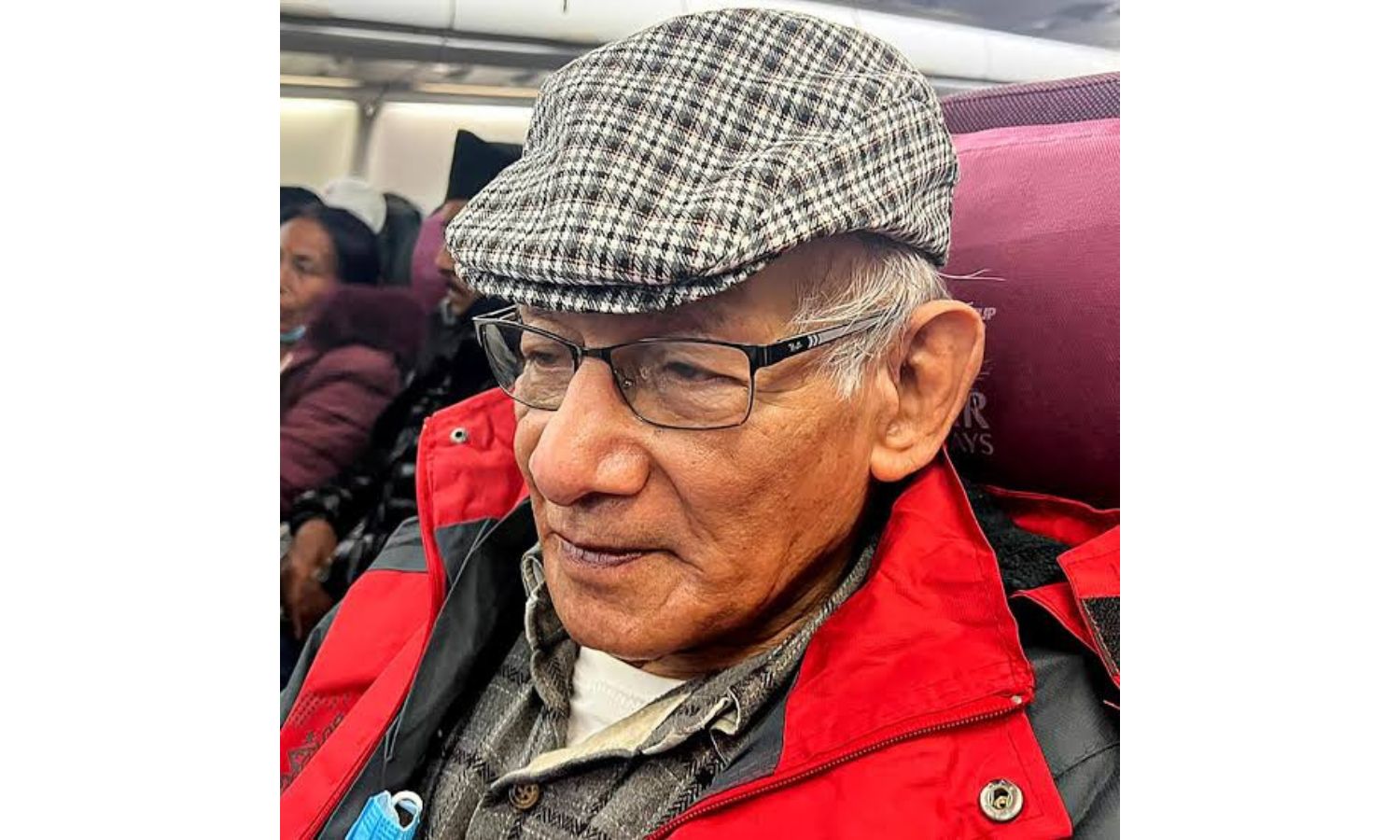
A writer then tells a story about a famous criminal who claimed to have a special ingredient that could start a nuclear bomb.
The criminal said he tried to sell it to some Arab men who might have been from Iraq, but nobody ever proved it.
He went to a city called Kathmandu and was arrested for old crimes, so the mystery was never solved.

US President Donald Trump has threatened to cut off trade with Spain after Prime Minister Pedro Sanchez denied the US use of Spanish air bases to launch strikes against Iran.
Sanchez cited the Iraq War, saying the 2003 invasion was based on the false claim that Iraq possessed weapons of mass destruction.
Writer Farrukh Dhondy recounts how convicted serial killer Charles Sobhraj asked him about 'Red Mercury,' a purported nuclear weapons trigger, in 2002.
Sobhraj claimed he went to Bahrain in 2002 to sell Red Mercury to Arab buyers who could have been Iraqis, keeping coded emails and a secret recording as evidence.
The Red Mercury story never reached the press after Sobhraj demanded payment and was later jailed for murder in Kathmandu, Nepal.
- Who
- US President Donald Trump, Spanish Prime Minister Pedro Sanchez, and writer Farrukh Dhondy, who recounts the story of convicted serial killer Charles Sobhraj.
- What
- Trump threatened to cut off trade with Spain after Spain denied US access to its air bases for strikes against Iran; Dhondy also recalls Sobhraj's unverified Red Mercury deal.
- Where
- The United States, Spain (the air bases of Moron and Ratafor), Bahrain, and Kathmandu, Nepal.
- When
- Sobhraj's alleged Red Mercury negotiations took place in 2002, ahead of the March 2003 invasion of Iraq.
- Why
- Sanchez denied the airbases citing the Iraq War, which he said was based on the unproven claim that Iraq had weapons of mass destruction.
War critics and Spain's government
Backers of the US and the Bush-Blair invasion
Iraq's WMD claim
War critics and Spain's government
The 2003 Iraq invasion was based on a lie: no weapons of mass destruction were found after Saddam's defeat, so Iraq was never the danger described.
Backers of the US and the Bush-Blair invasion
Apologists argued that Iraq's WMD arsenals were destroyed untraceably as defeat approached, which is why no weapons were ever found.
Use of Spanish bases for Iran strikes
War critics and Spain's government
Spain should refuse US access to its air bases to launch strikes against Iran, citing the Iraq War's lessons.
Backers of the US and the Bush-Blair invasion
The US, demanding access to the Spanish bases for strikes on Iran, responded with a threat to cut off trade with Spain.
Key facts
- Key leaders
- Donald Trump; Pedro Sanchez; Boris Johnson
- Disputed air bases
- Moron and Ratafor, Spain
- US threat
- Cut off trade with Spain
- Iraq War
- Began March 2003; no chemical, biological or nuclear WMD found
- Red Mercury
- Purported Russian nuclear weapons trigger made from Antimony
- Sobhraj's trip
- Bahrain, 2002, to sell Red Mercury
- Daily Telegraph offer
- £15,000 for evidence; Sobhraj demanded more
- Sobhraj's fate
- Jailed for murder in Kathmandu, Nepal
Quotes

Farrukh Dhondy
Author of the article
“I said it was none of my business and it was up to him and Sobhraj.”
 deccanchronicle.com
Sources
Related news
Ex-CIA chief Panetta: Pakistan negotiating Iran peace was 'nuts'

Boris Johnson Urges India, US and UK Deal With Iran
Trump Repeats Claims He Personally Prevented Israel’s Destruction
Trump claims US has 'total control' over Strait of Hormuz
Netanyahu Cites Fake Iran Nuclear Claim From Social Media Post
Cambridge Professor’s Death Spurs Debate Over Racism and Plagiarism
Ramayana casting debate echoes Hrithik Roshan's 2008 Legend of Rama

An Open Letter Urges Usha Vance to Guide JD to a Positive Legacy