3 weeks ago
Ex-CIA chief Panetta: Pakistan negotiating Iran peace was 'nuts'
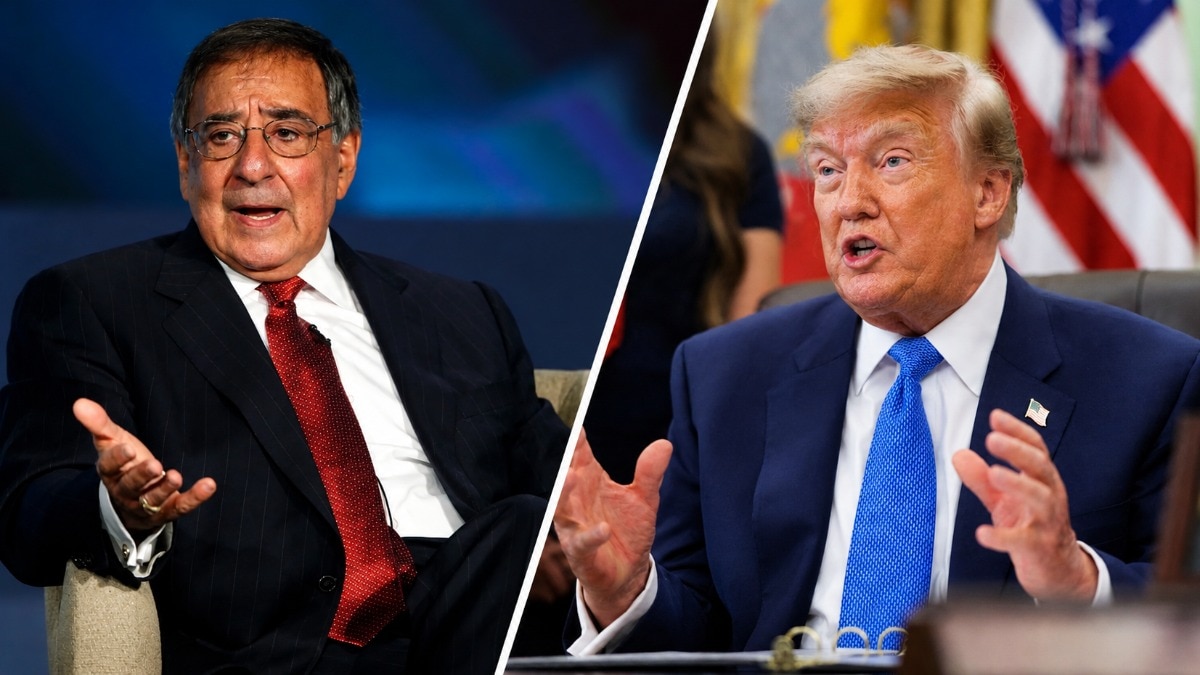
Leon Panetta used to be one of America's most important security leaders, running the CIA and later the US military.
Now he is talking honestly about the war between the United States and Iran.
Panetta says the war is not going well and that America's leaders made big mistakes.
One mistake was letting Pakistan talk to Iran for the US.
Panetta says leaders should sit down face to face and talk directly instead.
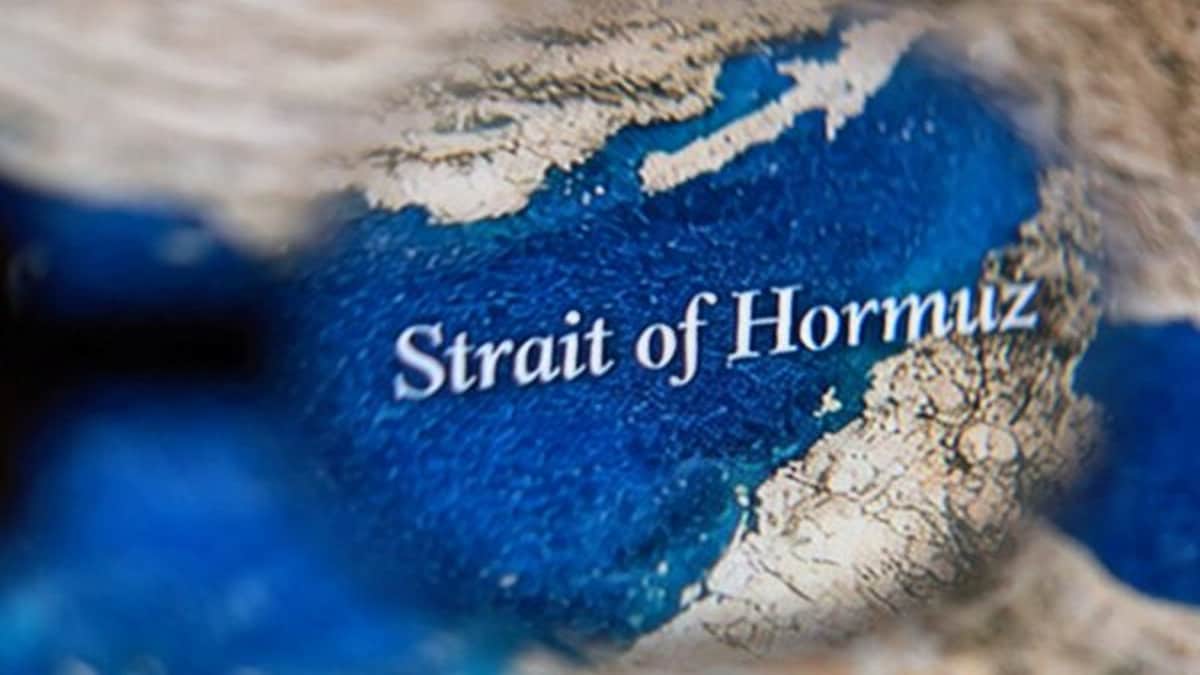
Another problem, he says, was Iran closing the Strait of Hormuz, a very important waterway where ships carry oil.
Closing it gave Iran power over fuel prices.
Panetta thinks America should have worked with friends to keep the waterway open.
He also says the US needed a clear plan for the war, including a clear goal and an endgame.
Without that, he worries, the fighting will not end well.

Leon Panetta, former CIA director and US defense secretary, said the US-Iran war 'has not gone well' and failed to achieve its main objective.
Panetta called Pakistan's mediation between Iran and the US 'nuts,' saying Washington should negotiate directly with its opponents.
An Iran-US memorandum of understanding signed in June collapsed after Tehran struck ships in the Strait of Hormuz, and Pakistan has resumed talks with Iranian leaders.
Panetta said the decision to join Israel in hopes of quickly eliminating Iran's leadership was flawed and that US intelligence had called such an outcome 'farcical.'
He argued the US should have worked with allies to keep the Strait of Hormuz open, which would have reduced Iran's leverage over the US economy and fuel supply.
- Who
- Leon Panetta, former CIA director (2009-2011) and US defense secretary (2011-2013), criticizing the Trump administration's handling of the war with Iran.
- What
- Panetta said the US campaign against Iran has 'not gone well,' called Pakistan's mediation 'nuts,' and argued the US should have worked with allies to keep the Strait of Hormuz open.
- Where
- The conflict involves the United States, Iran, and the Strait of Hormuz, with Pakistan mediating between the two countries.
- When
- Panetta's remarks came during the ongoing US-Iran war; an Iran-US memorandum of understanding was signed in June but collapsed after Iran struck ships in the Strait of Hormuz.
- Why
- Because Panetta believes a series of 'bad judgments' by the Trump administration — on negotiation, military strategy, and the closure of the Strait of Hormuz — caused the war to fail to achieve its main objective.
Panetta's critical assessment
Trump administration's approach
Negotiation with Iran
Panetta's critical assessment
Having Pakistan negotiate was 'nuts'; the US should sit down with its opponents and determine the terms of negotiation directly.
Trump administration's approach
Pakistan mediated between Iran and the US, with an MoU signed in June; talks with Iranian leaders continued on a possible deal to reopen the waterway.
War strategy and endgame
Panetta's critical assessment
Joining Israel to eliminate Iran's leadership was flawed because intelligence called a quick regime collapse 'farcical'; military action needs a clear objective, strategy, and endgame.
Trump administration's approach
The administration joined Israel in the hope that eliminating Iran's leadership would quickly bring down the regime.
Strait of Hormuz
Panetta's critical assessment
The US should have secured the waterway with allies and made reopening it a clear objective, reducing Iran's leverage over the US economy and fuel supply.
Trump administration's approach
The administration was surprised by Iran's closure of the Strait of Hormuz and did not move to secure it, leaving Iran with leverage.
Key facts
- Critic
- Leon Panetta, former CIA director (2009-2011) and US defense secretary (2011-2013)
- Assessment
- 'Without question that the war has not gone well'
- Mediation
- Pakistan mediating between Iran and the US; an MoU signed in June collapsed after Iran struck ships in the Strait of Hormuz
- Strait of Hormuz
- Closed by Iran; Panetta says the US should have worked with allies to keep it open
- Military requirement
- Controls about 50 miles on each side of the strait and about 100 miles inland would be needed, with naval forces and troops
- Trump administration approach
- Joined Israel hoping to eliminate Iran's leadership and quickly bring down the regime
- Panetta's advice
- Any military action needs a clear objective, a strategy, and an endgame
Quotes
Leon Panetta
Former CIA director and U.S. defense secretary
“The key, as you know, is that if you’re going to use your military capabilities, you need to have a clear objective. You need to have a strategy to achieve that objective, and you need to have an endgame.”
 businesstoday.in
“You couldn’t enforce it. It was vague on some terms. It was not clear.”
businesstoday.in
Sources
Related news

Iran threatens offensive in Hormuz as US peace talks stall
Trump: Iran Hormuz deal could come within days
Trump Threatens to Bomb Oman, Urges Iran Surrender Over Hormuz
Iran Seizes Fuel-Smuggling Vessel in Gulf, Arrests 11 Crew
Trump Floats Renaming Strait of Hormuz as “Trump Strait”

Chevron Plans $7 Billion Venezuela Expansion Amid U.S. Oil Push
Saudi Tanker Hit in Hormuz, Killing Two Filipino Sailors
U.S.-Iran Exchange Escalates Across Middle East, Markets Slide