

3 hrs ago
Mecca Drone Attack Raises Saudi Oil and India Energy Concerns

A drone was reportedly sent toward an area near Mecca, a very important city for Muslims.
Saudi Arabia said its defenses stopped the drone before it entered restricted airspace.
The Houthi movement denied trying to attack Mecca and said Saudi Arabia was spreading propaganda.
The incident has raised concerns about fighting between the Houthis and Saudi Arabia.
Saudi Arabia uses a major pipeline to move oil from its eastern region to the Red Sea.
Experts say fighting near important shipping routes could make it harder for Saudi Arabia to sell oil to Asian countries.
India gets oil from Saudi Arabia and many other countries.
Experts believe India can handle a short disruption by buying Russian oil and using other suppliers.
However, a long crisis could create serious energy concerns for India.
The article says the United States may or may not become more involved in the conflict.

India condemned the reported drone attack near Mecca and called for peace and stability in the region.
Saudi air defenses said they intercepted and destroyed a Houthi-launched drone before it entered Mecca’s prohibited airspace.
The Houthis denied targeting Mecca and alleged that Saudi Arabia was using the incident for propaganda.
Experts warned that Houthi control of Perim Island could threaten Saudi oil shipments through the East-West pipeline and Bab el-Mandeb Strait.
An energy expert said India could manage a short-term disruption but might face longer-term risks if Saudi supplies to Asian markets remain affected.
- Who
- India, Saudi Arabia, the Houthi movement, and energy and diplomatic experts are involved in the reported incident and its consequences.
- What
- Saudi Arabia said it intercepted a hostile drone launched by the Houthis near Mecca; the Houthis denied targeting the city, while experts warned of possible effects on Saudi oil exports and India’s energy supplies.
- Where
- Near Mecca in Saudi Arabia, with potential effects involving the East-West pipeline, the Bab el-Mandeb Strait, and Asian oil markets.
- When
- The drone was intercepted on Tuesday, according to the article.
- Why
- The reported attack is linked in the article to the wider Saudi-Houthi conflict and has raised concerns about the security of Saudi oil-export routes and regional stability.
Saudi Arabia and its supporters
Houthis and their supporters
Responsibility and target
Saudi Arabia and its supporters
Saudi Arabia said the drone was launched by the Houthis and treated the incident near Mecca as a serious security threat.
Houthis and their supporters
The Houthis denied targeting Mecca and said Saudi Arabia was using the incident as propaganda.
Conflict narrative
Saudi Arabia and its supporters
The article presents the Houthi attacks as part of a wider threat to Saudi territory, infrastructure, and oil-export routes.
Houthis and their supporters
Houthi officials and some experts linked the escalation to Saudi Arabia’s bombing of an airport runway in Sanaa, which they said broke the ceasefire.
Regional response
Saudi Arabia and its supporters
Saudi Arabia’s coalition has sought to fight the Houthis and restore legitimacy in Yemen, although experts cited poor morale and insufficient training among coalition forces.
Houthis and their supporters
Experts described the Houthis as battle-hardened, motivated, and possessing substantial weaponry, possibly supplied by Iran.
Key facts
- Indian response
- Ministry of External Affairs spokesperson Randhir Jaiswal condemned attacks on Saudi territory and actions endangering civilians and infrastructure.
- Saudi defense claim
- Saudi air defenses said they destroyed a hostile drone before it entered Mecca’s prohibited airspace.
- Houthi position
- Houthi officials denied that Mecca was the target and alleged a Saudi propaganda campaign.
- East-West pipeline
- The pipeline runs about 1,200 kilometers from the Abqaiq processing complex to Yanbu on the Red Sea.
- Reported pipeline capacity
- Experts cited in the article estimate that the pipeline has been pumping about 7 million barrels of oil per day.
- India’s short-term options
- Talmiz Ahmad said India could manage a short-term shock through Russian oil and supplies from its other oil-producing sources.
- Longer-term concern
- Experts warned that a prolonged disruption could threaten India’s energy needs, particularly if Saudi supplies to Asian markets remain constrained.
Quotes

Randhir Jaiswal
Spokesperson for India’s Ministry of External Affairs
“The Mecca Pact is directed against Israel and is meant as a deterrent against Israel. The last thing member nations want to do is fight fellow Muslims. The Houthis are very popular amongst the Islamic world for their stand against Israel. They will not fight the Houthis.”
 freepressjournal.in
“At Yanbu, Saudi Arabia was able to release oil and thereby export 70% of the oil it was permitted to sell under the OPEC+ agreement. Now, Saudi supplies have fallen to their lowest level in the last 25 years. This is a very serious setback.”
freepressjournal.in
Sources
Related news
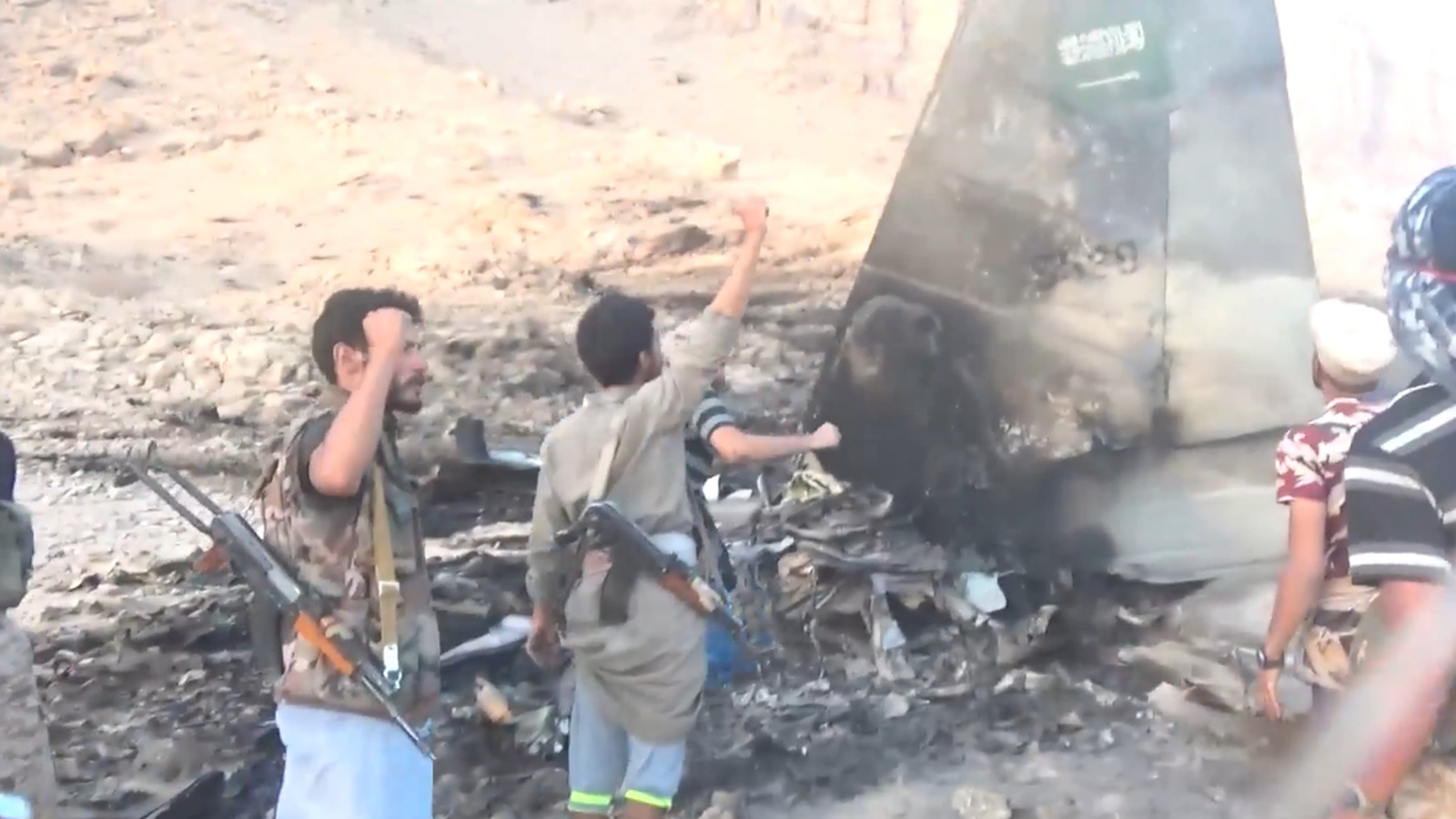
India Condemns Alleged Houthi Drone Attack Near Mecca
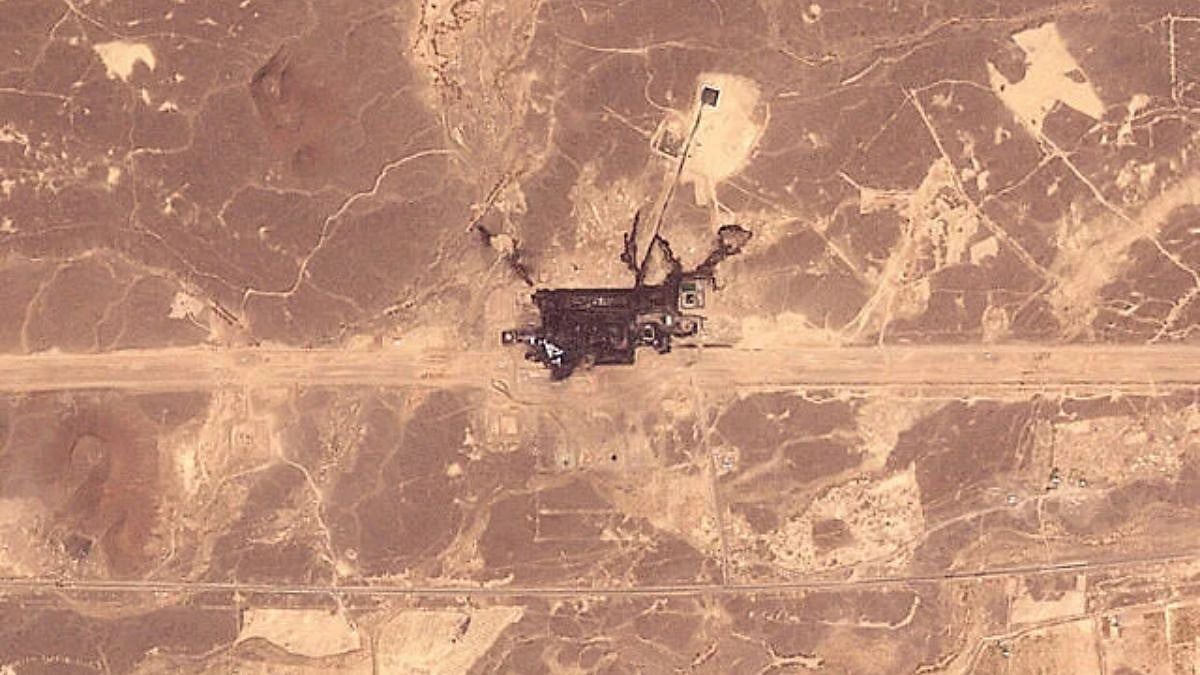
Saudi Arabia Shuts Oil Pipeline as Red Sea Tensions Escalate
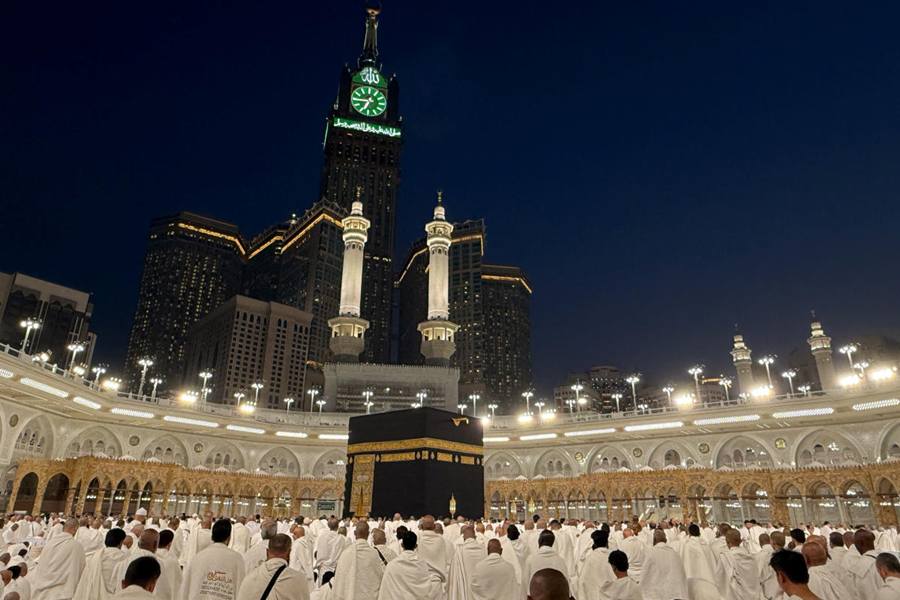
Saudi Arabia Accuses Houthis of Targeting Mecca With Drone

India Voices Concern Over Houthi Threat to Saudi Oil

Saudi Pipeline Shut as Houthis Seize Strategic Red Sea Island
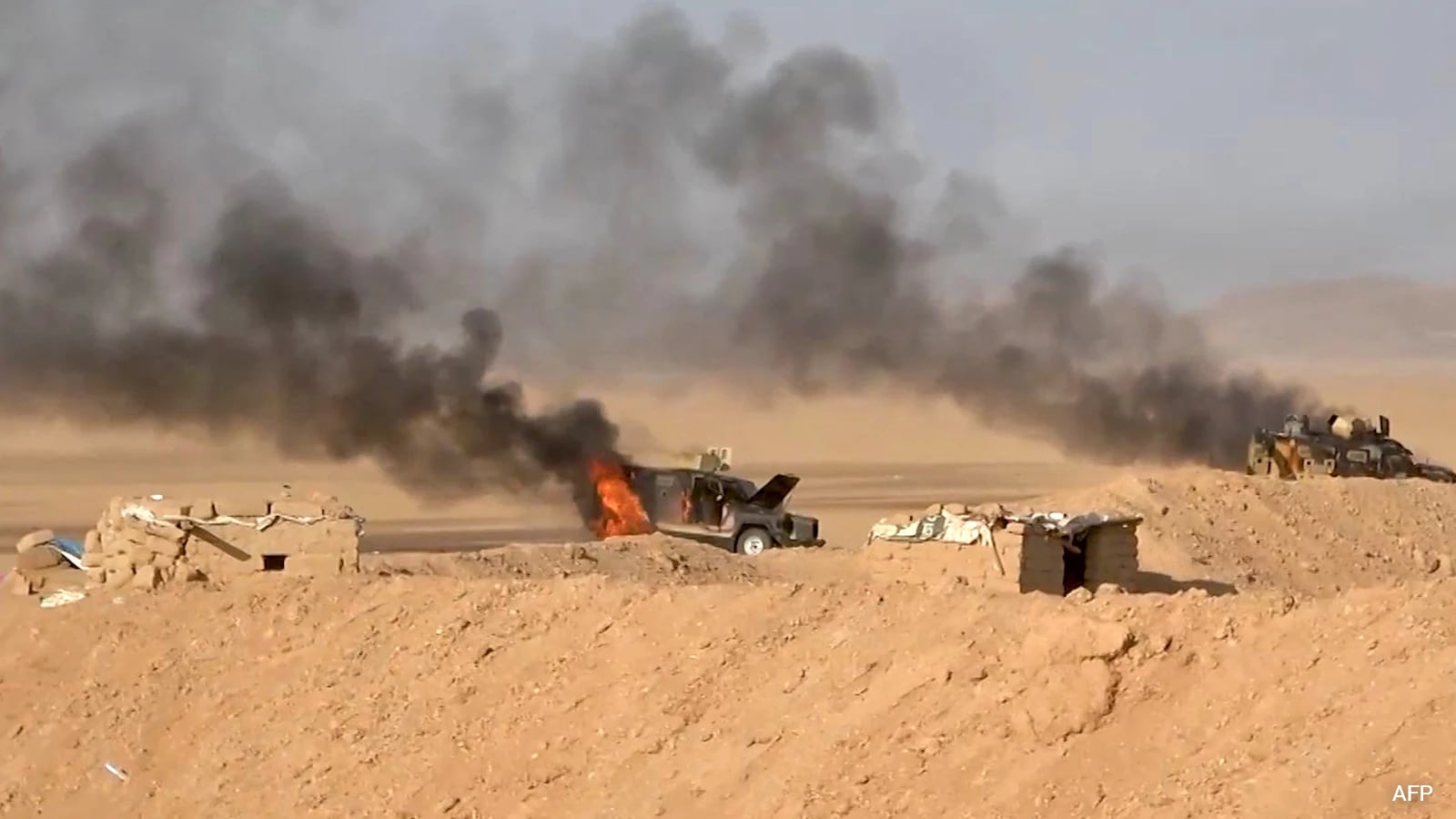
India Condemns Houthi Strikes, Warns of Bab-el-Mandeb Threat
Trump Signals Possible Deal as Iran War Enters Seventh Month
Trump to Meet Arab Leaders as Iran War Escalates
India Defends Energy Security After US Russia Sanctions Bill
US Russia Sanctions Bill Threatens India With Tariffs
