6 days ago
Monsoon disruptions push 45 Indian power plants toward coal shortages
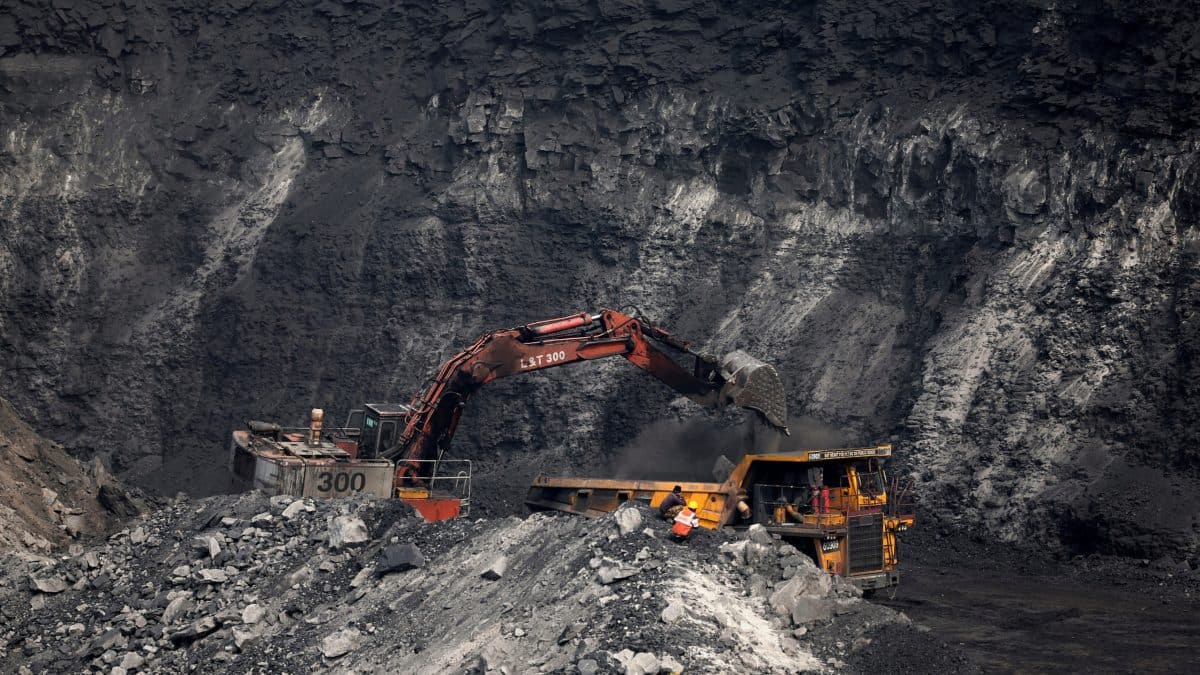
Many Indian power plants are running low on coal, which they burn to make electricity.
On August 25, 45 plants had less than three days of fuel or less than one-quarter of their usual stock.
Heavy rain made it harder to mine coal and move it by train.
At the same time, hot weather kept people using air conditioners and other cooling devices.
Lower rainfall also reduced some hydropower production.
This meant coal plants had to work harder, especially at night when solar power falls.
Officials asked some plants to delay maintenance so they could keep generating electricity.
Experts said the main problem may be getting coal to the right plants on time, rather than a complete national shortage of coal.

Forty-five Indian coal-fired power plants had critically low coal stocks on August 25, up from 31 at the end of July.
Forty of the affected plants primarily use domestic coal, according to Central Electricity Authority data.
Power-plant coal inventories fell 19% in August to 30.95 million tonnes, covering about 10 days of operations.
Heavy monsoon rainfall disrupted mining and rail deliveries in Odisha, Jharkhand and Chhattisgarh.
The power ministry asked some plants to postpone maintenance, while expensive imports offered limited relief.
- Who
- India’s coal-fired power plants, the Central Electricity Authority, the power ministry and coal suppliers are involved.
- What
- Forty-five coal-fired plants reported critically low coal inventories amid disrupted deliveries and high electricity demand.
- Where
- India, particularly coal-producing states including Odisha, Jharkhand and Chhattisgarh.
- When
- The latest figures were reported as of August 25; stocks had also deteriorated during August.
- Why
- Heavy rain disrupted mining and rail transport while hot weather, weaker hydropower output and high cooling demand increased reliance on coal-fired generation.
Plant-level supply bottleneck
National coal availability remains strong
Nature of the shortage
Plant-level supply bottleneck
Power plants and an NTPC official described supplies as running hand-to-mouth, with some facilities receiving about half the coal rakes they require.
National coal availability remains strong
S&P Global said the problem increasingly appears to involve distribution, logistics and plant-level availability rather than an outright national coal shortage.
Production versus delivery
Plant-level supply bottleneck
Plants face falling inventories because monsoon conditions disrupt mining and transportation when they need reliable fuel supplies.
National coal availability remains strong
Government data cited by S&P Global showed coal production rising in July, suggesting that the main gap is moving coal to the right plant at the right time.
Using imports for relief
Plant-level supply bottleneck
Imports could help plants facing domestic supply gaps and provide an alternative source of fuel.
National coal availability remains strong
Power producers have been reluctant to increase imports because delivered imported coal remains expensive, while plant coal imports declined.
Key facts
- Affected plants
- 45 coal-fired power plants had critical stocks as of August 25.
- Change since July
- The number of plants with critical stocks rose from 31 at the end of July.
- Domestic-coal plants
- 40 of the 45 affected plants primarily use domestic coal.
- Coal inventories
- Stocks stood at 30.95 million tonnes on August 25, down 19% from the end of July.
- Operating coverage
- The August 25 inventory represented roughly 10 days of operational requirement, compared with about 12 days in July.
- Import trend
- Thermal coal imports by power plants fell 22% to 12.28 million tonnes in the first quarter of fiscal year 2026-27.
- Maintenance response
- The power ministry asked some coal-fired plants to defer scheduled maintenance.
Quotes
An unnamed NTPC official
An official at NTPC, India’s largest thermal power producer
“Coal supplies are running hand-to-mouth”
 firstpost.com
Sources
Related news
India's August Power Demand Hits Record 258 GW Amid Heat

Karnataka power demand surges to 300 million units during monsoon

Coal India Liquidates 55 MT Stocks as August Supplies Rise
Hydro reservoir levels hit lowest since 2023 on El Niño

Minister Orders Uninterrupted Coal Supplies for Thermal Power Plants
Flood Damage Prompts Nepal to Seek Early Electricity Imports

ED arrests key accused in alleged Chhattisgarh exam leak

ED widens Chhattisgarh probes with two arrests and searches

Four-Time India Gold Medallist Drives Cab Amid Support Wait

BJP opposes Kerala CM’s promise to Dalit Christians

Heavy Rain Threatens Central India as Cities Expect Showers