11 hrs ago
India Urges UN to Confront Terrorist Safe Havens
India told the United Nations Security Council that terrorists are sometimes protected in ordinary towns and cities.
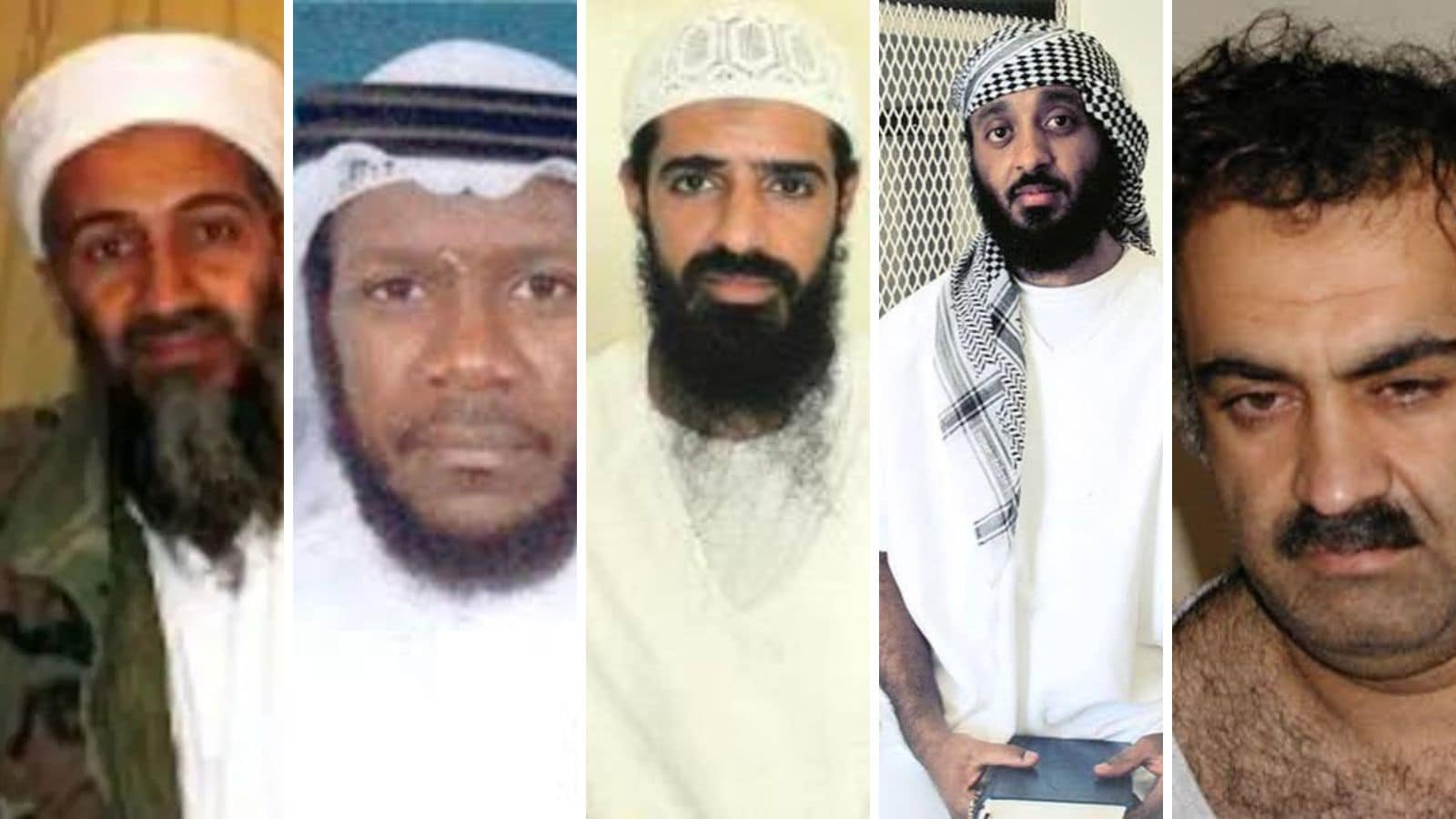
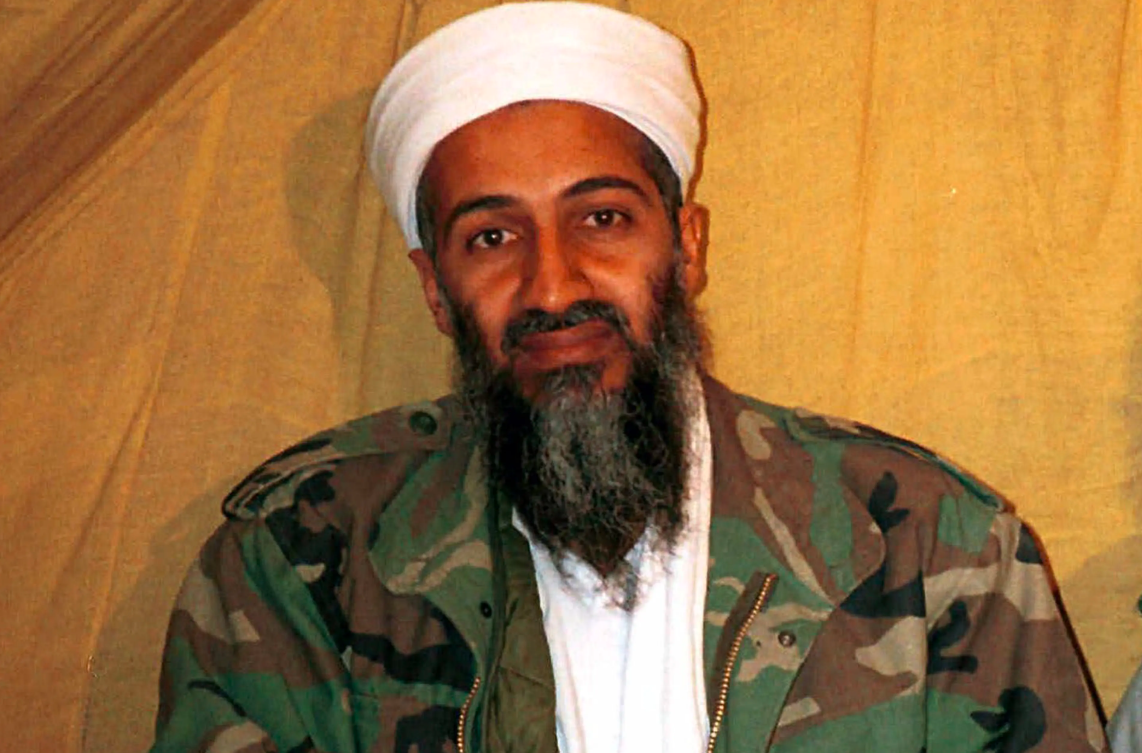
It used Osama bin Laden as an example.
Bin Laden was found and killed in a guarded compound in Abbottabad, Pakistan, in 2011.
India said this was not a remote hiding place.
India also accused Pakistan of allowing Lashkar-e-Taiba and Jaish-e-Mohammed to operate with protection.
These groups were among the targets of India’s Operation Sindoor in May 2025.
India said the groups change names to avoid international sanctions.
It asked countries to work together so terrorists cannot find safe places to operate.

India accused Pakistan of maintaining a permissive environment for terrorist groups as a matter of state policy.
At the United Nations Security Council, India cited Osama bin Laden’s discovery in Abbottabad as evidence that major terrorists were found in settled civilian areas.
India’s representative Harish Parvathaneni said Lashkar-e-Taiba and Jaish-e-Mohammed continue to benefit from sanctuary and support.
He said the groups evade United Nations sanctions by adopting new identities and shielding their leaders and training infrastructure.
India said its May 2025 Operation Sindoor targeted the groups’ training camps and launchpads inside Pakistan.
- Who
- India, represented by its permanent representative to the United Nations Security Council, Harish Parvathaneni, and the terrorist groups Lashkar-e-Taiba and Jaish-e-Mohammed.
- What
- India accused Pakistan of providing a permissive environment and sanctuary to terrorist organizations and urged the international community to address it.
- Where
- At the United Nations Security Council; the statement referred to Abbottabad and alleged terrorist infrastructure deep inside Pakistan.
- When
- The statement was made at a United Nations Security Council meeting; India also referred to its Operation Sindoor campaign in May 2025 and the 2011 killing of Osama bin Laden.
- Why
- India said terrorist groups evade sanctions and operate from protected locations, creating risks for countries and civilians.
Key facts
- Speaker
- Harish Parvathaneni, India’s permanent representative to the United Nations Security Council
- Groups named
- Lashkar-e-Taiba, Jaish-e-Mohammed and al-Qaeda affiliates
- Historical example
- Osama bin Laden was killed in a fortified compound in Abbottabad during Operation Neptune Spear in May 2011
- Indian operation
- Operation Sindoor targeted alleged training camps and terror launchpads inside Pakistan in May 2025
- India’s allegation
- Pakistan provides a permissive environment, support and impunity to terrorist groups
- Sanctions concern
- India said the groups adopt new identities to evade the United Nations sanctions regime
Quotes
Harish Parvathaneni
India’s permanent representative to the United Nations Security Council
“The same permissive environment that sheltered the architects of 9/11 has, in the years since, continued to provide space, support, and impunity to affiliates of Al Qaeda such as Lashkar-e-Taiba and Jaish-e-Mohammed and their like, acquiring different identities to escape this Council's sanctions framework and whose leadership and terror training infrastructure have been shielded from consequence.”
 NDTV
NDTV
“The leaders of al Qaeda who conceived and directed these 9/11 attacks did not escape justice in the wilderness of some ungoverned frontier. Osama bin Laden, who ordered and financed the plot, was tracked down and killed in a fortified compound within a settled, guarded community under Operation Neptune Spear.”
NDTV
Sources
Related news

India Challenges Pakistan At UN Over 9/11 Safe Havens
India Calls for Dismantling Shelters for Terror Networks

US and UN Security Council Mark 25 Years Since 9/11
Declassified CIA Briefs Put India on Bin Laden’s Attack List
CIA Documents Say Bin Laden Considered Attacking India Before 9/11

Twenty-Five Years After 9/11, Terrorism Threat Remains Unfinished