

3 weeks ago
Jan Vishwas Act Eases Minor Motor Offences From August 15

In India, a new rule starts on August 15 that changes how small vehicle mistakes are handled.
Some small mistakes that used to lead to court cases can now be fixed more easily.
People can often pay a fine online through the e-Challan system instead of going to court.
This covers things like not wearing a seat belt, ignoring small traffic signs, overloading a vehicle, and having expired documents.
The government wants to make life easier for drivers and companies that move goods.
It also hopes to reduce the huge number of small cases in the courts.
But some lawyers are worried that this change may be unfair to people harmed by traffic offences.
They also fear that giving officers more power to collect fines could be misused.
Others say dangerous driving should never get the same light treatment.
Many in the transport industry welcome the change, but everyone agrees road safety must still come first.

From August 15, 2026, minor and technical violations under the Motor Vehicles Act will be settled through simplified compounding instead of criminal proceedings.
The changes stem from the Jan Vishwas (Amendment of Provisions) Act, 2026, notified by the Ministry of Road Transport and Highways.
Covered violations include traffic-rule offences, lane and traffic-sign violations, overloading, excess passengers, seat-belt and two-wheeler safety violations, and insurance- and licensing-related violations.
Lawyers cautioned that decriminalisation must balance victims' rights with accused rights and warned that executive authorities levying fines could raise fundamental-rights and corruption risks.
The transport sector, including All India Motor Transport Congress adviser and former president Bal Malkit Singh, welcomed the reform as practical, transparent and business-friendly.
- Who
- Motorists and transporters in India, along with the Ministry of Road Transport and Highways, which notified the change; lawyers and the transport sector responded to it.
- What
- Several minor and technical violations under the Motor Vehicles Act, 1988 will be settled through a simplified compounding mechanism instead of criminal proceedings, under the Jan Vishwas (Amendment of Provisions) Act, 2026.
- Where
- India, with reporting from Mumbai.
- When
- Effective from August 15, 2026; reported on August 8, 2026.
- Why
- To reduce the burden on motorists, transporters and courts by decriminalising minor technical offences and rationalising penalties.
Reform supporters
Lawyers' concerns
Decriminalising minor offences
Reform supporters
Welcomed as promoting the reformative theory of punishment over the punitive theory, reducing court burden and saving time for vehicle owners and transporters.
Lawyers' concerns
Should balance the rights of the accused with the rights of victims; relaxation should not extend to conduct posing a serious threat to other road users.
Executive authorities levying fines
Reform supporters
Simplified compounding through prescribed authorities and e-Challan allows quick settlement without prolonged criminal court proceedings.
Lawyers' concerns
Giving executive authorities power to levy even minor fines could violate fundamental rights and increase the risk of misuse and corruption without adequate safeguards.
Handling serious driving offences
Reform supporters
Wider compounding and rationalised penalties improve ease of compliance and make India's enforcement system more practical and business-friendly.
Lawyers' concerns
Rash and negligent driving should remain outside liberalisation; serious cases should go to trial with heavy fines to protect public safety.
Key facts
- Law
- Jan Vishwas (Amendment of Provisions) Act, 2026
- Amended legislation
- Motor Vehicles Act, 1988
- Effective date
- August 15, 2026
- Notifying ministry
- Ministry of Road Transport and Highways
- Mechanism
- Simplified compounding via prescribed authorities and digital platforms such as e-Challan
- Violations covered
- Traffic-rule, lane-discipline, traffic-sign, overloading, excess passengers, seat-belt, two-wheeler safety, insurance and licensing violations
- Unchanged
- Motor Accident Claims Tribunal (MACT) proceedings
- Reported from
- Mumbai, August 8, 2026
Quotes
Adv. Adnan Mookhtiar
Legal expert and advocate
“The Bill introduces certain liberal policies like the policy of not immediately subjecting a person who has not renewed his driving licence to punishment, but before any law is decriminalised or punishments are reduced or removed, the rights of the victim of such an offence should also be looked into and there should be a balance between the rights of the accused as well as the rights of the victim.”
 freepressjournal.in
“Decriminalisation of minor offences which are of a technical nature, as well as reduction of punishment for several minor and technical offences, should be regarded as a welcome move as it promotes the reformative theory of punishment rather than the punitive theory of punishment.”
freepressjournal.in
Sources
Related news
Chhattisgarh New Motor Vehicle Rules Take Effect August 15
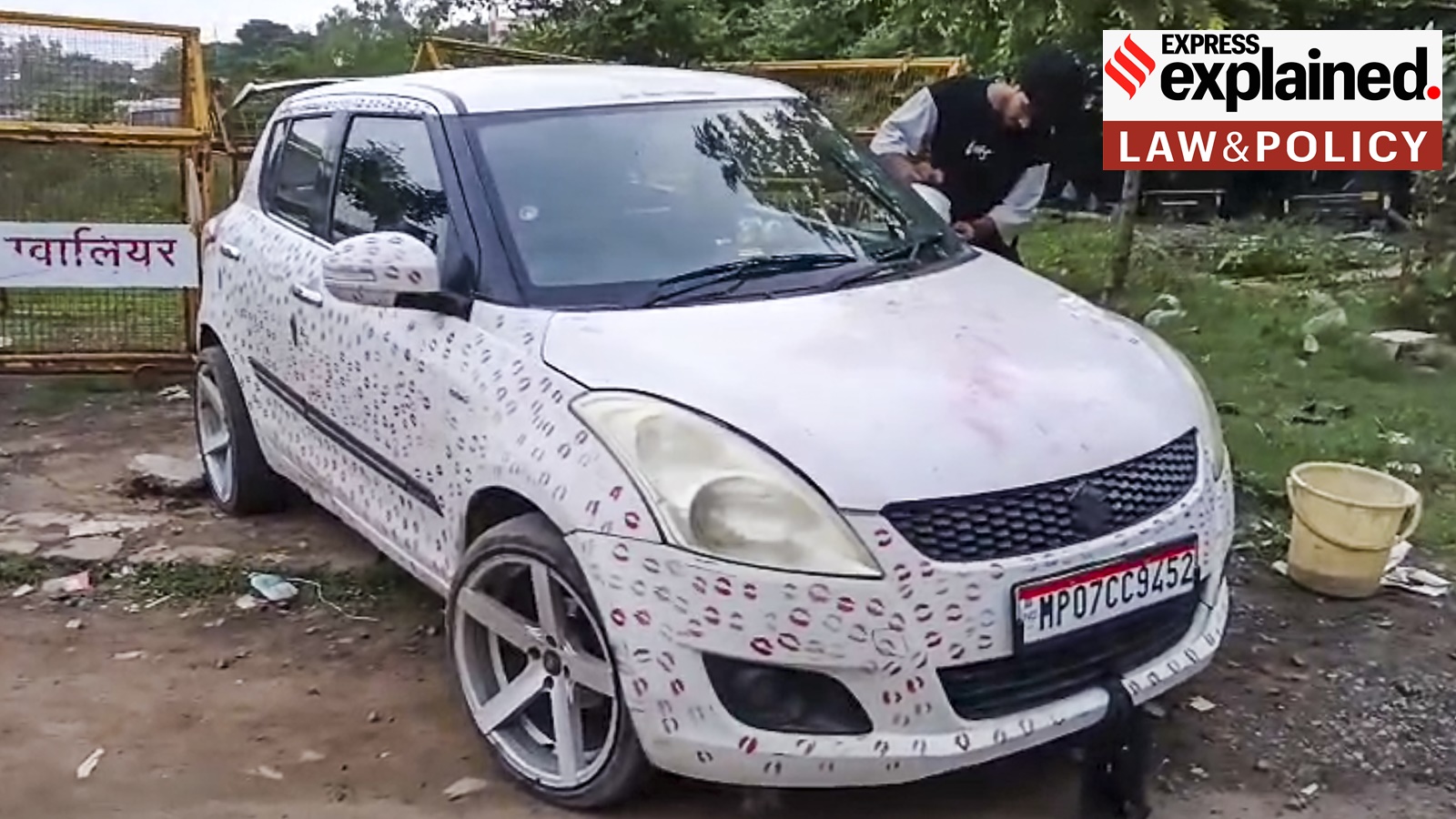
Gwalior Man Fined Rs 5,500 Over Kiss-Marked Car
Kerala High Court Criticises MVD Over Modified Rescue SUV
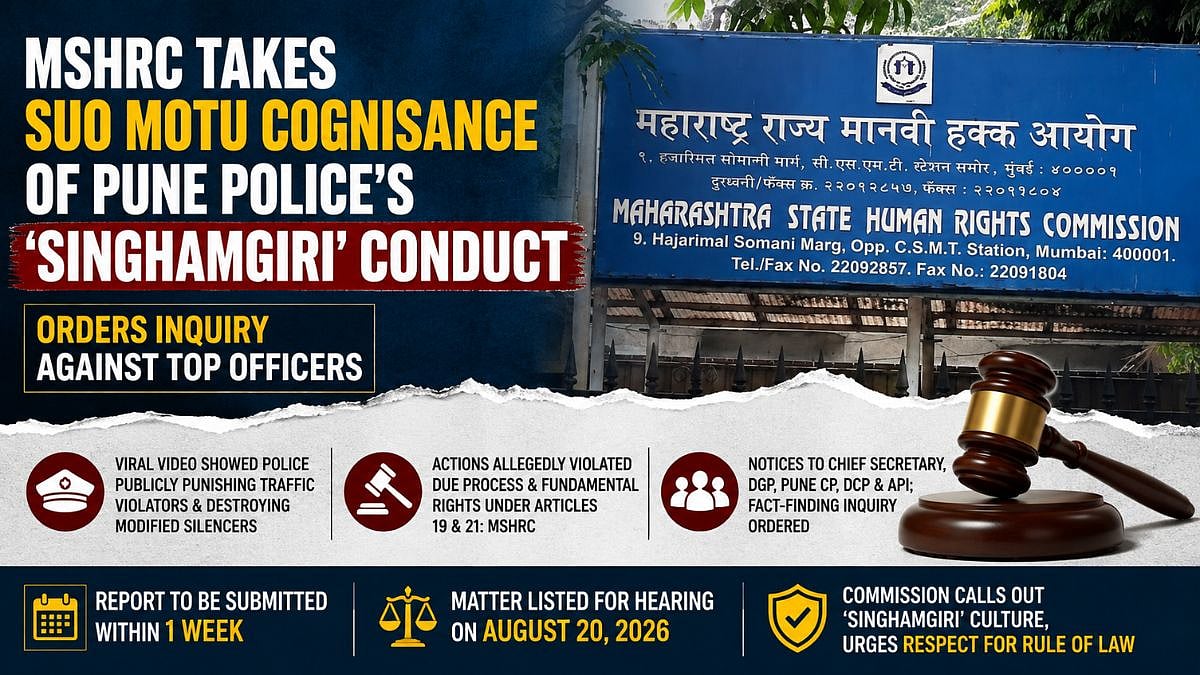
MSHRC Orders Inquiry Into Pune Police 'Singhamgiri' Conduct
Hyderabad Traffic Police Book 1,015 Cases in Special Drives

Aadhaar Name Mismatches Delay Maharashtra Vehicle Ownership Transfers

Tamil Nadu Tops Road Accidents, Uttar Pradesh Deadliest in 2025
Delhi transporters plan E20 fuel protest
